

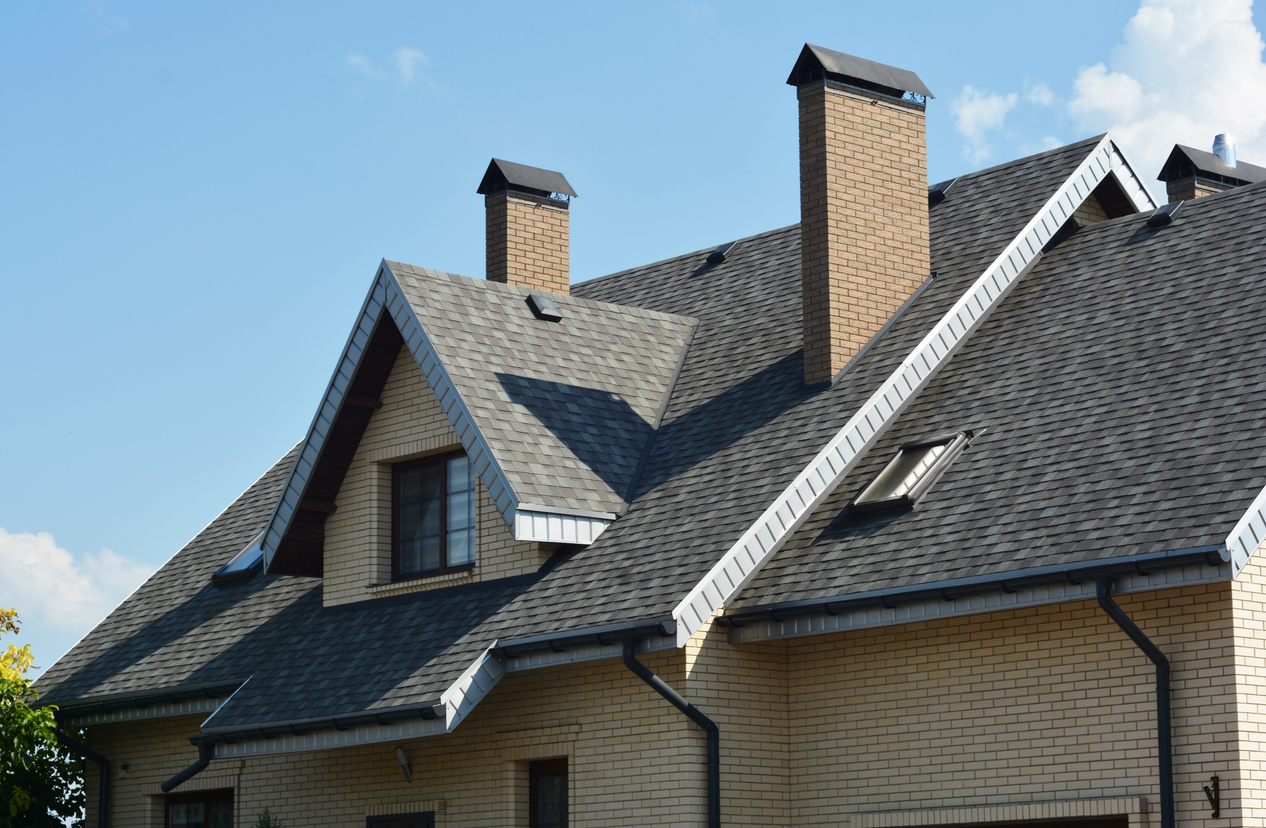




If you’re a Florida homeowner considering a new roof, asphalt shingles are likely on your radar—and for good reason. They’re durable, affordable, and come in a variety of styles to match your home’s aesthetic. But here’s the catch: even the best shingles won’t perform well if they’re installed incorrectly.
At DryFL Construction Group, we’ve seen firsthand how improper installation can lead to leaks, wind damage, and a shorter roof lifespan.
To help you make informed decisions, we’re breaking down five common asphalt shingle installation mistakes.
1. Incorrect Nail Placement or Insufficient Nailing
One of the most frequent mistakes during shingle installation is improper nail placement or using too few nails. According to manufacturers like GAF and Owens Corning, nails should be placed in the designated “nail line” on the shingle and driven straight to ensure a secure hold. Using too few nails or placing them too high can leave shingles vulnerable to wind uplift and damage.
How to Avoid It:
- Use at least eight nails per shingle (or follow the manufacturer’s specific recommendations).
- Ensure nails penetrate the top edge of the underlying shingle for maximum hold.
- Avoid overdriving or underdriving nails, as this can weaken the shingle’s grip.
2. Installing Shingles on Low-Slope Roofs
Asphalt shingles are designed for roofs with a pitch of 2/12 or greater, and they perform best on slopes of 4/12 or steeper. On low-slope or flat roofs, water drainage slows, increasing the risk of leaks and water damage.
How to Avoid It:
- Avoid installing shingles on roofs with a slope less than 2/12.
- For low-slope or flat roofs, consider alternative materials and installation methods.
- TPO, EPDM, or modified bitumen, are specifically designed for these applications, ask your roofing contractor for further clarification.
3. Improper Flashing Installation
Flashing is a critical component of your roofing system, especially around vents, chimneys, and roof penetrations. Unfortunately, improper flashing installation is a common source of leaks. Your roof’s flashing can wear out, or nails placed too close to the edges can loosen, allowing water to seep in.
How to Avoid It:
- Use high-quality flashing materials and gasket screws instead of nails.
- Avoid placing fasteners near the edges of the flashing.
- Consider doubling up on pipe boots for added protection against Florida’s harsh weather.
4. Excessive Shingle Overhang
Shingles that hang too far off the roof’s edge—beyond 1.5 inches—can sag, crack, and expose your roof to leaks. Over time, this can also damage your fascia and soffit.
How to Avoid It:
- Follow manufacturer guidelines, which typically recommend an overhang of 0.5 to 0.75 inches.
- Install a drip edge to create a clean finish and prevent sagging.
5. Using the Wrong Installation Pattern for Architectural Shingles
Architectural shingles are a popular choice for their durability and dimensional appearance, but they require a specific installation method. Racking—installing shingles in a vertical pattern—can cause cracking along the seams over time.
How to Avoid It:
- Use a staggered or “stair-stepped” pattern for architectural shingles.
- Always refer to the manufacturer’s installation instructions for the best results.
Bonus Tips for a Long-Lasting Roof
To ensure your asphalt shingles perform as intended, keep these tips in mind:
- Follow Manufacturer Guidelines: Always read and adhere to the installation instructions provided by the shingle manufacturer.
- Use High-Quality Materials: Invest in durable underlayment, nails, and flashing to protect your roof.
- Hire a Professional: While DIY projects can be tempting, roofing is a complex job best left to experienced contractors. A professional roofer will ensure your shingles are installed correctly and up to code.
Why Proper Installation Matters
Asphalt shingles are designed to withstand Florida’s intense sun, heavy rains, and strong winds—but only if they’re installed correctly. Improper installation can lead to premature wear, leaks, and even void your shingle warranty.
At DryFL Construction Group, we’re committed to helping Riverview homeowners get the most out of their roofing investment. Whether you’re installing a new roof or replacing an old one, our team of experienced professionals is here to ensure your shingles are installed right the first time.
Your Trusted Partner for Roofing in Riverview
Don’t let a damaged roof lead to expensive repairs. If you’re unsure about your roof’s condition, DryFL Construction Group offers free roof inspections in Riverview. We provide a range of services, including roof installations in Riverview, flat roof replacements, and expert repairs, to keep your home safe and secure.
Our team will perform a comprehensive inspection, identify any problems, and provide you with a detailed report and estimate. Whether it’s a minor repair or a major roof replacement if you live in Riverview, we’re here to deliver exceptional service.
Choose DryFL Construction Group, your trusted Riverview roofer, for all your roofing needs. Call us today and protect your home with professional care!


