

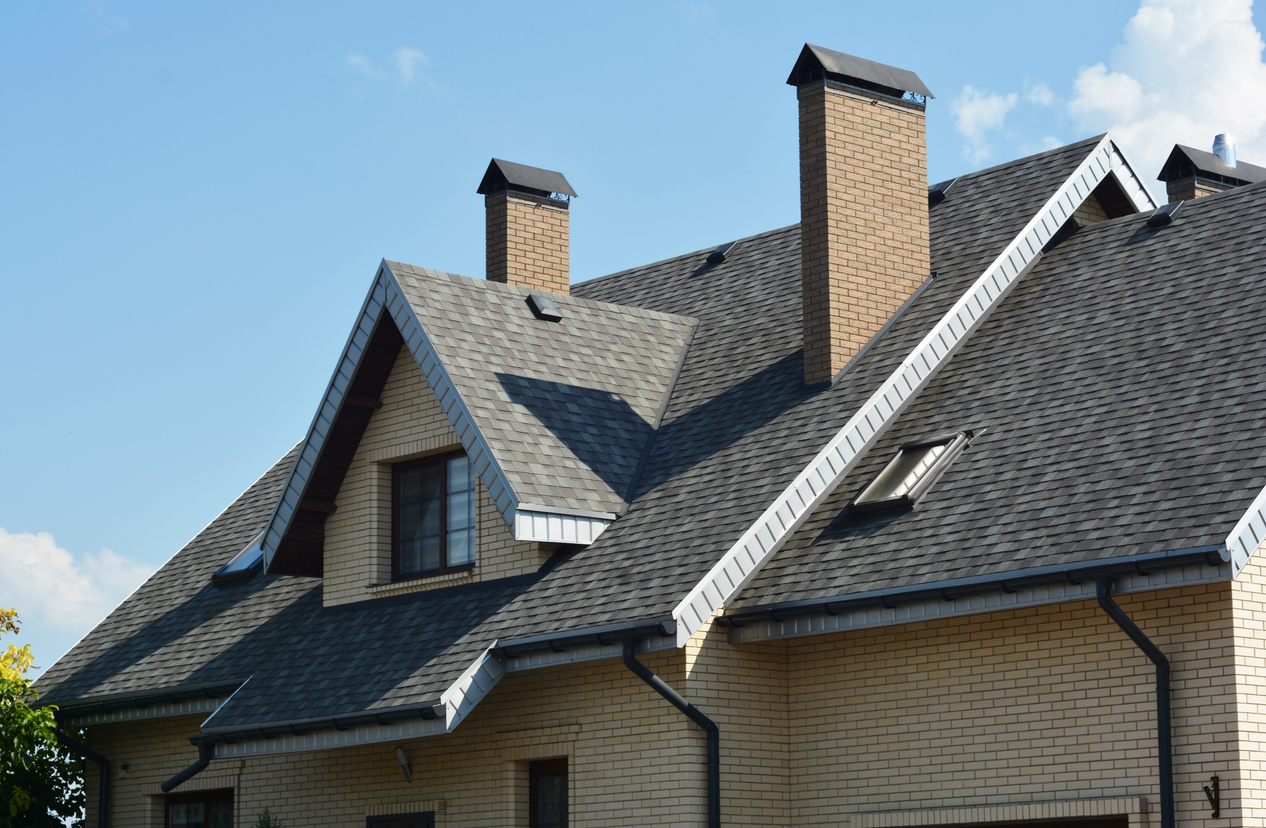



Buying a home is one of the biggest investments you’ll ever make—especially in Tampa Bay communities. And while most buyers focus on square footage, kitchen upgrades, and location, one of the most critical components of any home is often overlooked: the roof.
In Florida’s heat, humidity, and storm-prone climate, roof condition can make or break your long-term satisfaction with a home. A bad roof can lead to leaks, mold, failed inspections, and expensive repairs right after move-in.
In this guide, we’ll break down the biggest roofing red flags to look for during a home purchase—and exactly what questions every buyer should ask before closing.
Why the Roof Should Be a Deal-Breaker (or a Deal-Maker)
The roof is more than just a shelter—it’s your home’s first line of defense against Florida’s extreme weather. It impacts:
- Insurance eligibility
- Energy efficiency
- Storm protection
- Resale value
- Home inspection results
Roofs in Florida generally last 15–30 years, depending on the material and maintenance. But poor installation, age, or hidden damage can cut that lifespan short—and shift expensive repair costs to the buyer.
Red Flag #1: The Roof Is 15+ Years Old
Many insurance providers in Florida won’t write new policies for homes with shingle roofs over 15 years old—even if there are no visible leaks. This is especially true for 4-point inspections required on homes older than 30 years.
What to ask:
- When was the roof last replaced?
- Is there a valid permit on record with the county?
- Can the seller provide warranty documentation?
Red Flag #2: Sagging or Uneven Rooflines
A visibly wavy or sagging roof could indicate structural issues, rotted decking, or inadequate support from the framing beneath.
What to look for:
- Dips in the roof when viewed from the street
- Uneven ridges or valleys
- Soft spots in the attic floor or ceiling below
What to ask:
- Has a roofer or engineer ever assessed the roof’s structure?
Red Flag #3: Water Stains or Mold in the Attic or Ceiling
Water damage in the attic or upper ceilings is a sign that the roof is (or was) leaking. Even if the seller claims it was repaired, mold or rot may still be present.
What to look for:
- Dark stains on rafters, insulation, or drywall
- Musty odors
- Bubbling paint or drywall cracks
What to ask:
- When was the leak repaired, and by whom?
- Can you provide proof of the repair and follow-up inspection?
Red Flag #4: Multiple Layers of Roofing (Overlays)
Florida law allows no more than two layers of shingles, and insurance companies often prefer only one. If the home has been “roofed over,” this can:
- Trap heat
- Hide existing damage
- Shorten the life of the new layer
What to ask:
- Was the old roof removed before the current one was installed?
- Is the current roof an overlay?
Red Flag #5: No Roof Ventilation or Visible Vents
Poor ventilation can cause your attic to trap heat and humidity, leading to:
- Premature shingle failure
- Mold growth
- Higher energy bills
What to look for:
- Ridge or gable vents
- Soffit vents under the roof eaves
What to ask:
- What type of ventilation system is installed?
- Has the attic ever had mold or moisture problems?
Red Flag #6: Missing or Curling Shingles / Cracked Tiles
This is often a sign of advanced age, poor installation, or storm damage. It may also impact your ability to secure insurance.
What to look for:
- Shingles lifting at the corners
- Bald spots or granule loss
- Cracked, broken, or slipped tiles (for tile roofs)
What to ask:
- Has the seller filed any roof-related insurance claims?
- Has a roofer inspected the roof recently?
Red Flag #7: No Documentation of Permits or Warranty
If the seller can’t provide a permit or installation warranty, you’ll have a harder time verifying that the roof was installed to code—or that it qualifies for manufacturer coverage.
What to ask:
- Is there a closed permit on file with the county?
- Who installed the roof and when?
- Is there a transferable warranty?
Red Flag #8: Damaged Flashing or Exposed Roof Penetrations
Flashing is critical around chimneys, vents, and skylights. Damaged flashing is a major leak risk.
What to look for:
- Rusted or missing flashing
- Water staining around chimneys or vents
- Gaps where caulk has failed
What to ask:
- Has the flashing ever been replaced?
- Is the work documented by a contractor?
Ask for a Roof Certification or Inspection Report
Before closing, consider hiring a licensed roofing contractor to inspect the roof and issue a roof certification. This document outlines:
- Roof age and condition
- Estimated remaining lifespan
- Any repair or replacement recommendations
This can give you peace of mind—or bargaining power.
A Bad Roof Can Be a Deal Breaker—Or a Negotiation Tool
Spotting these red flags early doesn’t mean you have to walk away. But they do mean you should:
- Get a licensed roofer to evaluate the roof
- Negotiate repairs or price reductions if needed
- Factor replacement costs into your mortgage planning
As a roofing consultant serving Tampa Bay, I help homebuyers avoid unpleasant surprises and ensure they know exactly what they’re getting into.
Need a pre-purchase roof inspection or second opinion? Contact DryFL Construction Group today before you close. A quick inspection now could save you thousands later—and help you buy your dream home with confidence.


