

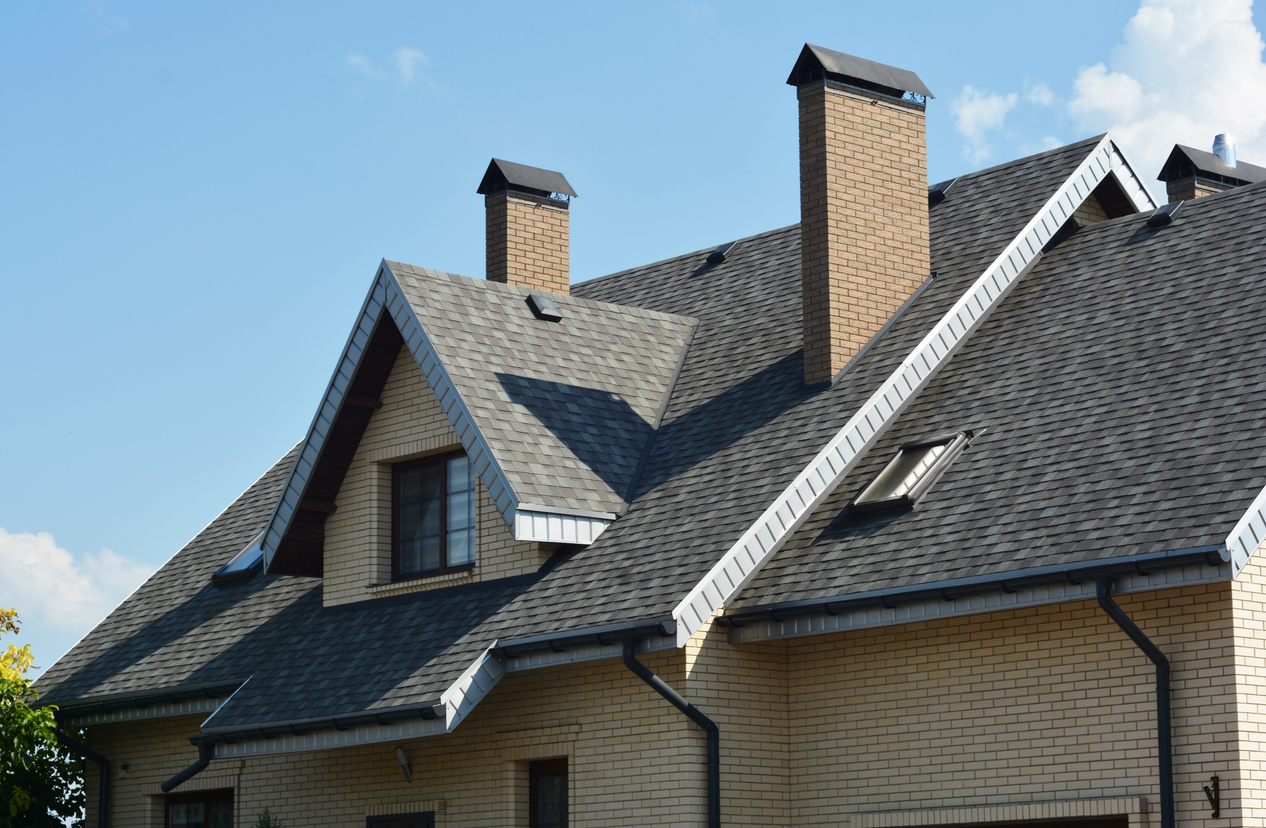




If you’re a Florida homeowner, chances are you’ve got questions about your roof—and you’re not alone. Tampa Bay’s intense heat, seasonal storms, and high humidity make roofing a unique challenge. As a trusted roofing expert in the region, I’ve heard just about every question a homeowner could ask.
Below, I’ve compiled the most common—and important—questions I get, along with the answers every Florida homeowner should know.
1. How long does a typical roof last in Florida?
The lifespan of your roof depends on the materials used and the climate conditions. In Florida, the heat, rain, and wind can wear down materials faster than in cooler regions.
- 3-tab shingles: 15–20 years
- Architectural shingles: 20–30 years
- Metal roofing: 40–70 years
- Tile roofing: 50+ years with proper maintenance
Routine inspections and timely repairs can help maximize lifespan.
2. Do I need a full replacement, or can I just repair the damaged areas?
This depends on the extent and location of the damage. For isolated issues like a few missing shingles or a small leak, repairs are often sufficient.
However, if your roof is nearing the end of its lifespan or has widespread damage (especially after a storm), a full replacement may be more cost-effective and protective.
A professional roof inspection is the best way to determine the right course of action.
3. Will homeowners insurance cover my roof replacement?
Yes—if the damage is caused by a covered peril, such as wind, hail, or a fallen tree. However, coverage may be limited if your roof is more than 10–15 years old. It’s important to:
- Document damage with photos
- Act quickly to mitigate further damage
- File a claim as soon as possible
You’ll also want a contractor who understands the insurance process and can advocate for your claim.
4. What’s the best roofing material for Florida homes?
Florida homes need roofing systems that can handle heat, UV rays, rain, and hurricanes. Common top choices include:
- Architectural shingles: Affordable, wind-resistant, and durable
- Metal roofing: Long-lasting, energy-efficient, and highly wind-resistant
- Tile roofing: Traditional and extremely durable, but heavier and more expensive
The best material for your home depends on your budget, structural support, HOA guidelines, and personal style.
5. How can I tell if my roof has storm damage?
Signs of storm damage include:
- Missing or curling shingles
- Cracked or broken tiles
- Dents in metal panels
- Interior water stains on ceilings or walls
- Granules collecting in gutters
- Mold or mildew in the attic
Even if your roof looks fine from the ground, a professional inspection may uncover hidden damage.
6. How much does a roof replacement cost in Tampa Bay?
Costs vary depending on material, home size, pitch, and labor. Here’s a general range:
- Asphalt shingles: $10,000–$16,000
- Metal roofing: $16,000–$30,000
- Tile roofing: $20,000–$40,000+
Financing is often available, and homeowners with insurance claims typically only pay their deductible.
7. What does my roof warranty actually cover?
Roof warranties typically fall into two categories:
- Material warranties: Provided by the manufacturer, covering defects in roofing materials (usually 20–50 years)
- Workmanship warranties: Offered by the contractor, covering errors in installation (usually 1–10 years)
Read the fine print carefully. Some warranties may be voided by improper installation, poor attic ventilation, or unauthorized repairs.
8. When is the best time of year to replace a roof in Florida?
Winter and spring are generally the best seasons because there’s less rain and lower humidity. However, reputable roofers work year-round, and delaying a replacement can cause more damage—especially during hurricane season.
If your roof is leaking or storm-damaged, don’t wait.
9. Can I stay in my home during a roof replacement?
Yes, in most cases. Roof replacements are noisy, but not dangerous for those inside. Make arrangements for pets or young children who might be sensitive to the noise.
Your roofer should provide a clear timeline and answer any questions about safety or access during the project.
10. How often should I have my roof inspected?
You should have your roof professionally inspected:
- At least once a year
- After major storms
- Before hurricane season begins
Regular inspections catch minor issues before they become expensive problems and help maintain your warranty.
Ask Before You Act
Roofing can be complex, especially in a climate like Tampa Bay. If you’re not sure whether to repair or replace, how to handle insurance, or what materials to choose, don’t guess—ask an expert.
As your local roofing consultant, I’m here to help you make smart, informed decisions about your roof. Reach out for an inspection, quote, or just honest advice before your next roofing project.
Have a question that wasn’t answered here? Contact DryFL Construction Group today. I’d be happy to help in any way I can.


