

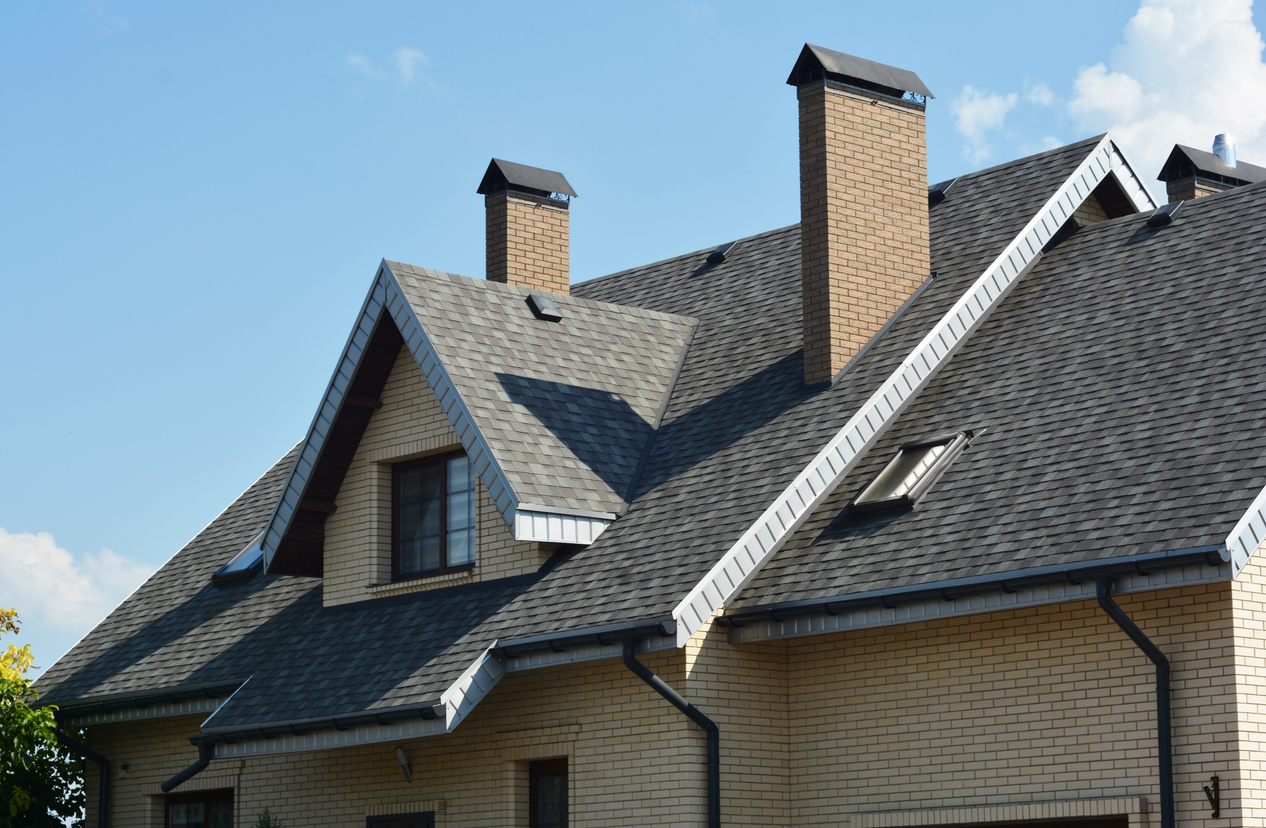



If you’re buying or insuring a home in Tampa Bay—especially in areas like Riverview, Wimauma, Ruskin, or Sun City Center—chances are you’ve come across the term 4-point inspection. These inspections are often required by insurance companies for homes over 20–30 years old, and one of the biggest components they scrutinize is the roof.
So, can installing a new roof help you pass a 4-point inspection? The short answer: absolutely—but it depends on how the roof is installed, what materials are used, and how well everything else checks out. In this blog, we’ll break down exactly how your roof factors into the 4-point process and why a roof replacement could be the key to insuring or selling your Florida home.
What Is a 4-Point Inspection?
A 4-point inspection is a focused evaluation of the four major systems that most directly affect a home’s insurability:
- Roof
- Electrical System
- Plumbing System
- HVAC (Heating, Ventilation, and Air Conditioning)
These inspections are typically required for older homes to ensure they meet safety and reliability standards. Unlike a full home inspection, the 4-point is designed for insurance purposes—not to evaluate every detail of a property.
Why the Roof Is the Deal-Breaker
In Florida, the roof is often the make-or-break factor in whether or not a home passes inspection. This is because:
- Roofs are your primary defense against wind, rain, and storm damage
- Insurance companies are wary of roofs over 15 years old
- Roof failure is one of the most common causes of costly claims
Many insurers will decline to write a new policy—or will cancel coverage—if a roof is deemed too old or too damaged to meet their risk criteria.
What Inspectors Look for in the Roof Section of a 4-Point
Here’s what the inspector will evaluate:
- Age of the roof (based on permit or installer documentation)
- Type of material (shingle, metal, tile, flat)
- Visible condition (cracks, curling, granule loss, soft spots, leaks)
- Roof covering and flashing
- Secondary water barrier (in newer installations)
- Evidence of recent repairs or patching
If the roof is near or past its expected lifespan—or shows signs of active leaks or damage—the home will likely fail inspection unless replacement is completed.
How a New Roof Improves 4-Point Inspection Results
Installing a new roof can dramatically improve your odds of passing a 4-point inspection, especially when:
- Permits are pulled and closed properly
- Manufacturer guidelines and Florida Building Code standards are followed
- The roofing contractor provides documentation of materials, methods, and warranties
When done correctly, a roof replacement will:
- Reset the age clock for insurance purposes
- Satisfy the inspector’s structural and safety requirements
- Improve energy efficiency and ventilation (which benefits other systems too)
What Insurance Companies Want to See
To issue or renew a homeowners policy, insurers typically want documentation that shows:
- The roof is 15 years old or newer (for shingle roofs)
- The roof has 5+ years of expected useful life
- The roof is free of leaks, visible sagging, or structural issues
- Roofing materials are up to hurricane code (e.g., wind-resistant shingles, proper underlayment)
Metal and tile roofs often get more leniency on age due to their longevity, but they still must be free of broken tiles or rusting panels.
How Much Does a New Roof Help?
If you’re struggling to secure homeowners insurance or facing renewal denial due to roof concerns, a new roof can:
- Qualify you for a new policy or renewal
- Help you avoid force-placed insurance from your lender
- Unlock wind mitigation discounts on your premium
- Provide peace of mind during the home sale process
It can also increase the marketability of your property, especially to FHA or VA buyers who face stricter insurance hurdles.
Wind Mitigation: The Bonus Benefit
When replacing your roof, it’s a great time to also perform a wind mitigation inspection. This specialized report checks for:
- Roof deck attachment methods (nails vs. staples)
- Secondary water resistance (like peel-and-stick membranes)
- Roof-to-wall connections (hurricane straps, clips)
- Roof shape (hip roofs may offer discounts)
With proper documentation, a wind mitigation report can lead to insurance premium reductions of 10%–30% or more.
Tips to Ensure Your Roof Passes Inspection
Use a Licensed Roofing Contractor
- Check for a valid Florida license (CCC#)
- Ask for proof of insurance and recent references
Pull the Right Permits
- Your roofer should handle this, but verify with your county that the permit is closed after completion.
Get a Written Warranty
- Most insurance companies prefer installations with documented warranties (materials and workmanship)
Schedule Your 4-Point After the Roof Is Done
- Don’t risk an inspection before the final cleanup and permit closure.
Keep All Documentation
- You may need to show photos, invoices, and the permit to your insurer—sometimes even years later.
Common Pitfalls That Still Lead to Failed Inspections
Even with a new roof, you can still fail the 4-point if:
- The permit is still open
- The roofer cut corners (e.g., reused old flashing or decking)
- There’s visible damage from installation (nail pops, uneven rows)
- Ventilation is missing or inadequate
Pro tip: Always ask your contractor to walk the roof with you after completion and provide photos of the process.
A Smart Investment That Pays Off
In the Florida insurance market, a new roof is more than a home improvement—it’s an asset that protects your eligibility for coverage, lowers your insurance premiums, and increases property value.
Whether you’re facing an upcoming 4-point inspection or preparing your home for sale, investing in a code-compliant, properly documented roof replacement can be the single smartest move you make.
Need a roof inspection or consultation before your 4-point inspection? Contact DryFL Construction Group today. I’ll help you evaluate your roof, identify code upgrades, and provide the documentation you need to pass your inspection with confidence.


