




In Tampa Bay—your roof takes a beating year-round. Between Florida’s extreme UV exposure, torrential rain, tropical storms, and hurricane season, even the most well-installed roof can show signs of wear faster than you’d expect.
The good news? You don’t have to wait for a leak or a major storm to find out your roof has a problem. With a simple annual roof inspection checklist, homeowners can catch early signs of damage, prevent costly repairs, and maintain roof warranties and insurance eligibility.
As a Florida roofing consultant, I recommend this checklist for every homeowner—whether your roof is brand new, middle-aged, or reaching the end of its service life. Let’s break it down.
✅ The Florida Homeowner’s Annual Roof Inspection Checklist
You don’t need to climb on your roof to use this list. Many items can be inspected from the ground, from a ladder (if safe), or from inside your attic.
1. Check for Missing or Damaged Shingles or Tiles
What to look for:
- Curling, cracking, or buckling shingles
- Missing shingles or tile pieces (especially near ridges or edges)
- Dislodged or uneven roof tiles
Why it matters: Florida’s wind gusts can easily lift poorly sealed shingles. Even one missing piece can compromise the waterproof seal and allow moisture in.
2. Look for Granule Loss
What to look for:
- Bald spots or shiny patches on asphalt shingles, this is a sign of exposed fiberglass.
- Granules collecting in gutters or around downspouts. Most notably after heavy rain fall.
Why it matters: Granules protect shingles from UV rays. If they’re gone, the roof ages faster and becomes vulnerable to cracking or blistering.
3. Inspect Flashing Around Roof Penetrations
What to look for:
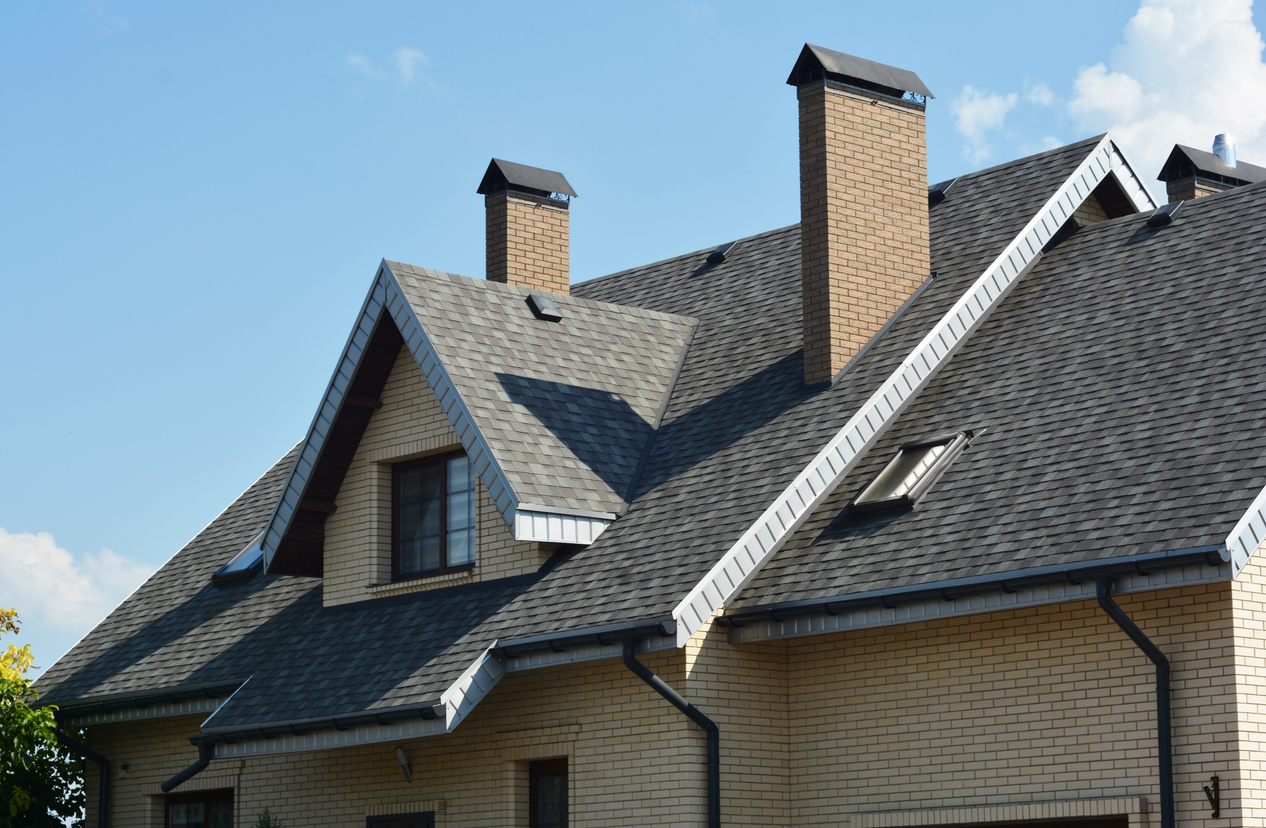
- Cracked or rusted flashing around chimneys, vents, skylights, and valleys.
- These are the most vulnerable areas of your roof and can lead to serious water damage if exposed.
- Loose or lifting flashing
Why it matters: Flashing is often the first line of defense against leaks. Faulty or deteriorating flashing is one of the most common sources of roof leaks in Florida homes.
4. Examine Soffits, Fascia, and Eaves
What to look for:
- Rotting wood, bubbling paint, or staining could be a sign of damage.
- Pest damage or entry points
- Mold or algae growth
Why it matters: The edges of your roof are critical for water runoff and ventilation. Damage here often signals hidden moisture problems that could impact attic insulation or framing.
5. Inspect Attic and Ceilings for Signs of Leaks
What to look for:
- Water stains, mold, or mildew on attic rafters or insulation.
- Wood decking suffering from water damage can be expensive to replace if left untreated.
- Sunlight visible through roof boards
- Sagging or damp ceiling spots inside the home
Why it matters: Interior signs of leaks may appear long before you see damage on your roof. Early detection can prevent structural damage and mold remediation.
6. Assess Roof Ventilation and Exhaust Systems
What to look for:
- Blocked, broken, or missing ridge vents or attic fans
- Be mindful of your dryer duct exhaust location.
- Often times they can be difficult to keep clean and will become clogged, adding to moisture build up.
- Signs of excessive heat or moisture in the attic
Why it matters: Poor ventilation traps heat and humidity in your attic, leading to higher energy bills, shortened shingle lifespan, and mold growth.
7. Clean and Inspect Gutters and Downspouts
What to look for:
- Leaves, dirt, or granules blocking gutters.
- Clogged gutters can cause water run-off to flow where it shouldn’t.
- Loose or sagging gutter sections
- Water pooling near the foundation, this could cause damage to your home’s siding.
Why it matters: Functional gutters keep water away from your home’s siding, foundation, and fascia. Clogged gutters can also lead to water backing up under shingles.
8. Check for Moss, Algae, or Mildew Growth
What to look for:
- Green, black, or white streaks or patches on your roof, could mean you have unwanted moisture build-up.
- Overhanging tree limbs that may block sunlight and encourage growth.
Why it matters: Algae and moss trap moisture against your roof, accelerate wear, and can damage protective coatings. Cleaning and preventive treatments are key in Florida’s humid climate.
9. Look for Debris Accumulation in Roof Valleys
What to look for:
- Leaves, pine needles, branches, or bird nests caught in low-slope areas.
- This is especially important if you have significant overhanging trees.
Why it matters: Debris slows water runoff and traps moisture. Over time, this can lead to rotted decking and leaks.
10. Verify Roof Age and Warranty Terms
What to do:
- Know your roof’s installation year. It’s important to properly document all things related to your home’s roof.
- Repairs or a replacement can be an expensive endeavor.
- Check if your warranty is still valid and whether any inspections are required to maintain it.
- This includes manufacturer warranties as well as any warranties offered by your roofing contractor.
Why it matters: Most shingle warranties in Florida last 20–30 years, but only if the roof is maintained. Some require regular inspections to remain active—especially for workmanship coverage.
When Should You Inspect Your Roof?
In Florida, we recommend inspecting your roof at least once a year—and preferably twice, especially:
- Before hurricane season (May–June)
- After major storms or hurricanes
- Before selling or refinancing your home
When to Call a Roofing Professional
While many checklist items can be done from the ground, there are times you should call a licensed roofing expert:
- If your roof is more than 10 years old
- If you notice any signs of leaks, rot, or shingle damage.
- If your insurance requires a roof certification
- If you want a written inspection for warranty or insurance claims.
Professional roof inspections typically cost $150–$400 depending on the roof size and complexity. Some roofing consultants, like myself, offer free inspections for storm damage or annual checkups.
What Homeowners Miss Most Often
- Tiny cracks in flashing that only leak during wind-driven rain.
- Blistering shingles caused by attic moisture
- Worn roof cement around vents or pipe boots
- Signs of squirrel or rodent intrusion through the roof decking.
- Pooling water hidden behind chimney stacks
That’s why even a thorough DIY checklist can benefit from occasional professional verification.
What’s on Your Roof Could Cost You—or Save You
Your roof is your home’s first line of defense against Florida’s extreme weather. But even the best materials and installation won’t hold up if you don’t catch issues early.
By using this annual checklist, you’ll be taking a proactive step toward extending your roof’s lifespan, protecting your home’s interior, and avoiding costly surprises. And if you’re ever unsure, that’s what I’m here for.
Need a second set of eyes on your roof? Contact DryFL Construction Group for a professional inspection, storm damage assessment, or help navigating warranty and insurance paperwork. Your roof is too important to leave unchecked—especially in Florida.


