

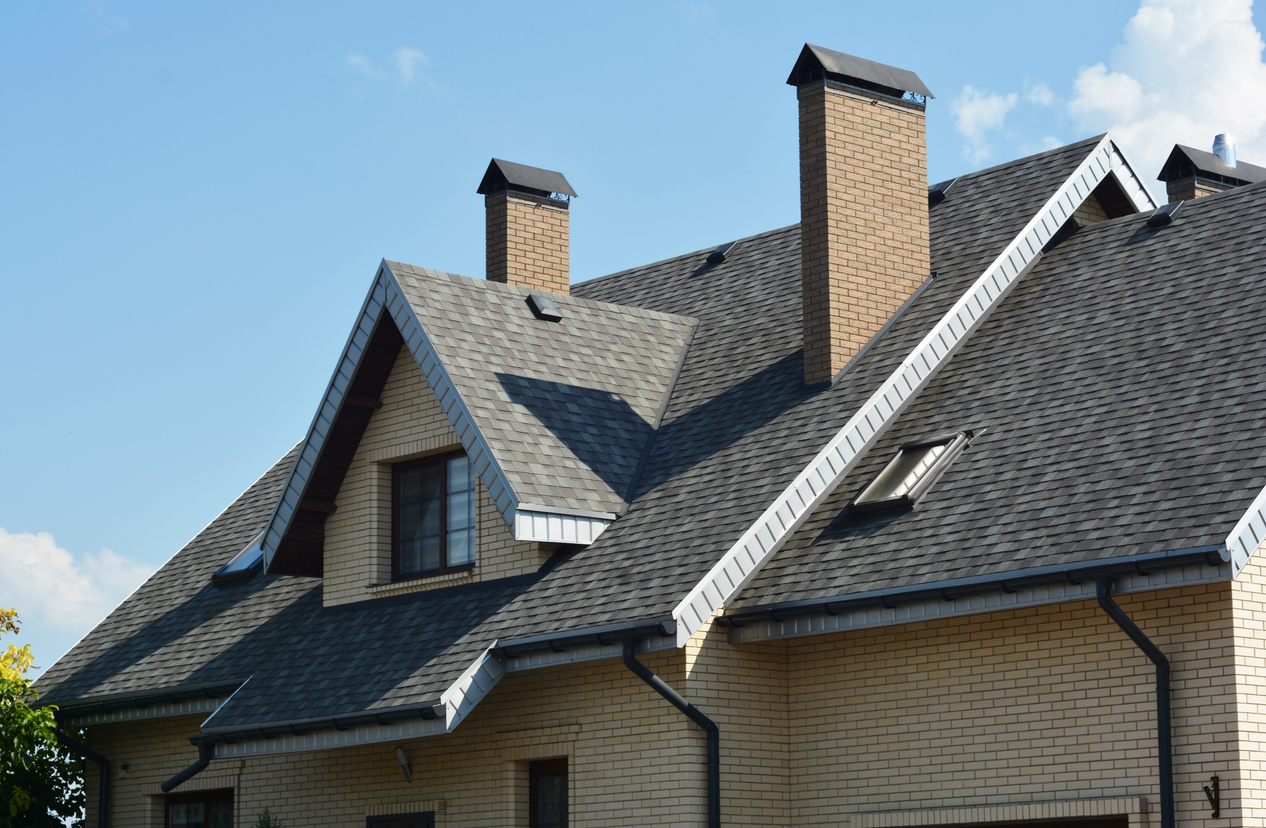




When Florida homeowners think about roof maintenance, they often focus on what’s above their shingles—sun, rain, hail, and wind. But there’s something closer to home that can quietly impact the life and health of your roofing system: your landscaping.
From overhanging tree limbs to improperly placed flowerbeds, your yard’s design can directly influence your roof’s condition—especially during Florida’s stormy, humid summers.
We’ll explore how landscaping affects your roof, how to identify and avoid hidden hazards, and why strategic yard care could help extend your roof’s lifespan. Using trusted sources, including roofing manufacturers, arborists, and storm risk specialists, to back up each point.
The Florida Summer Factor: More Than Just Heat
Florida summers are known for more than intense sun. In regions like Riverview, Wimauma, Ruskin, and Sun City Center, a typical summer includes:
- Daily afternoon thunderstorms
- High humidity (70–90% average)
- Hurricane threats
- Fast-growing tropical vegetation
These conditions make landscaping both an asset and a risk. Let’s break down exactly how.
1. Overhanging Tree Branches: A Double Threat
One of the most obvious—and dangerous—landscaping issues for roofs is overhanging limbs. Here’s why:
Physical Damage from Storms
According to GAF, overhanging limbs are among the most common causes of storm-related roof damage.
High winds can snap branches, slamming them into shingles or tiles and compromising waterproofing layers.
Constant Abrasion
Even without storms, branches brushing against your roof in the wind can wear down shingles over time. Think of it as nature’s sandpaper—constant contact = gradual erosion.
Solution:
- Trim all limbs at least 6–10 feet away from your roofline.
- Don’t DIY large branch removal—hire a certified arborist to avoid damaging your trees or home.
2. Leaves and Debris: A Gutter’s Worst Enemy
When trees are close to your house, falling leaves, twigs, and moss can quickly clog your gutters. And in Florida’s summer rainy season, that can become a big problem fast.
Risks of Gutter Clogs:
- Water backs up under shingles, causing leaks.
- Pooling water near roof edges can warp fascia boards and rot decking.
- Overflowing gutters can saturate the soil near your foundation.
Solution:
- Clean gutters at least twice per year, ideally before and after summer.
- Consider adding gutter guards to reduce debris buildup.
- Trim trees seasonally to minimize falling leaf volume.
3. Moss and Algae: Fed by Shade and Moisture
Heavy shade from landscaping creates damp zones on your roof, which are prime areas for algae, mold, and moss growth.
According to Owens Corning, these organisms can:
- Retain moisture against your shingles
- Lift and separate shingles
- Cause premature aging and black streaks
Solution:
- Allow sunlight to reach all areas of your roof by thinning or spacing trees.
- Use algae-resistant shingles or apply gentle roof-cleaning solutions if discoloration appears.
- Maintain roof ventilation to prevent interior condensation buildup.
4. Poor Drainage from Improper Grading or Beds
Many Florida homes have lush flower beds or mulch zones near the perimeter. But if those areas are graded improperly, they can trap water and increase moisture around the base of your roofline.
Long-Term Impact:
- Water can wick upward into fascia, soffits, or even underlayment.
- Mulch against siding creates a breeding ground for termites and mold.
- Roof eaves become saturated from water splashing up during heavy rainfall.
Solution:
- Ensure landscaping slopes away from your home.
- Use stones or gravel, rather than mulch, near roof drip zones.
- Install splash blocks or downspout extensions to redirect water flow.
5. Vines and Climbing Plants: Slow but Destructive
While they may look charming, vines like ivy or bougainvillea can crawl into roof crevices, lift shingles, and even damage flashing.
According to CertainTeed, unchecked vines:
- Trap moisture against roofing materials
- Introduce pests (e.g., ants, rodents)
- Weaken roof-to-wall connections
Solution:
- Remove vines growing near or on your exterior walls and fascia.
- Use trellises set away from the home if you want climbing plants.
6. Wildlife: Landscaping That Invites Roof Intruders
Trees, shrubs, and even bird feeders too close to your home can attract wildlife that becomes a roofing hazard.
Common Invaders in Florida:
- Squirrels chew through decking and insulation.
- Rats and mice enter attic vents and contaminate insulation.
- Raccoons lift shingles and tear off vent covers.
According to TruTech Wildlife Services, roof entry by animals increases in summer due to breeding seasons and storm displacement.
Solution:
- Keep trees at least 10 feet away from your roof.
- Avoid storing pet food or compost near the home.
- Seal attic vents with metal mesh covers.
7. Root Damage to Structural Supports
While it’s less common, large trees with aggressive roots (e.g., oaks, ficus) can destabilize soil around the foundation.
Over time, shifting foundations can pull at structural roof supports, resulting in misalignment, sagging, or gaps in roof seams.
Solution:
- Choose native trees with non-invasive root systems.
- Avoid planting anything large within 15–20 feet of your house.
- Schedule annual inspections of your foundation and roofline.
Landscape Planning Tips for Roof Longevity
To make landscaping work with your roof—not against it.
DO’s:
- Plant small ornamentals near your home
- Use gravel borders around gutters
- Trim trees regularly
- Choose drought-resistant, non-invasive plants
- Grade soil away from the home
Don’ts:
- Plant large trees too close to the house
- Let mulch pile up near fascia
- Ignore slow-growing branches until storm season
- Install heavy vines on exterior walls
- Allow water to pool near eaves or gutters
What the Experts Say
- GAF Roofing recommends open air flow and sunlight access as critical to shingle longevity—both easily influenced by landscaping.
- The National Roofing Contractors Association (NRCA) notes that vegetation is one of the top 10 causes of premature roof failure.
- Florida’s IFAS Extension (Institute of Food and Agricultural Sciences) offers tree selection guides for root safety and shade planning near homes.
Florida’s lush landscaping is one of its biggest charms—but if unmanaged, it can quietly degrade your roof. From overhanging limbs to waterlogged mulch beds, seemingly small design decisions can lead to serious roofing problems over time.
Here’s what you can do today:
✅ Walk the perimeter of your home and assess overhang, debris, and water flow.
✅ Schedule a roof inspection before peak storm season.
✅ Trim back vegetation to allow air circulation and sunlight.
✅ Consult a licensed roofer or landscaper if you notice any damage.
DryFL Construction Group
If it’s been more than a year since your last roof inspection—or you’re unsure how your landscaping may be affecting your roof—don’t wait for the next summer storm to find out.
Contact DryFL Construction Group today for a free, no-obligation inspection. We’ll help you spot the risks and extend the life of your roof with strategic, Florida-smart advice.
Sources:
- GAF Roofing: gaf.com
- Owens Corning: owenscorning.com
- CertainTeed: certainteed.com
- Florida IFAS Extension: edis.ifas.ufl.edu
- National Roofing Contractors Association (NRCA): nrca.net
- TruTech Wildlife Services: trutechinc.com


