

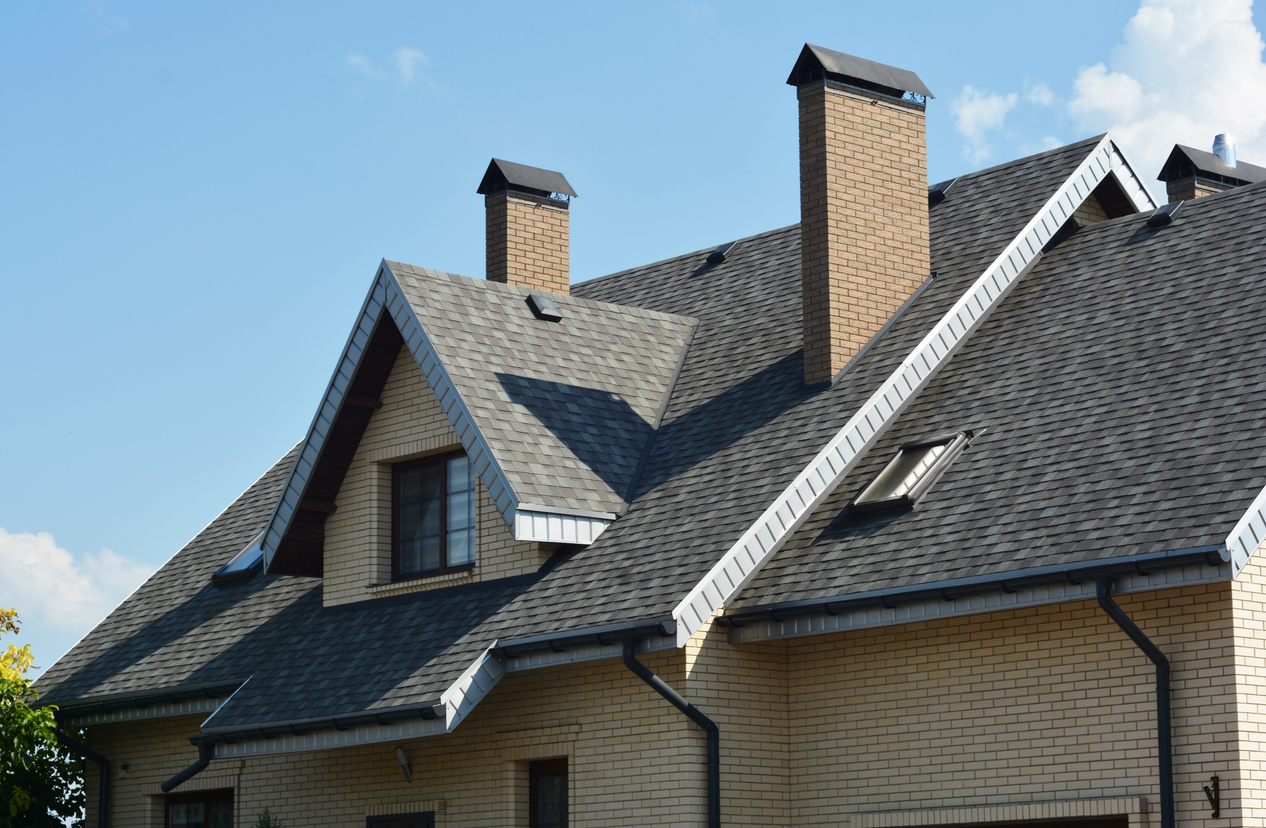




After a powerful Florida summer storm passes, many homeowners walk outside to assess the damage—only to find missing shingles, exposed decking, or worse. If you live in Tampa Bay, you’ve likely seen or heard about emergency roof tarping as a temporary fix after storm damage.
But what many don’t realize is that how and when you tarp your roof can affect:
- Your insurance claim
- The cost of repairs
- The safety and stability of your home
In this Article, we’ll explore the do’s and don’ts of emergency roof tarping, backed by guidance from trusted sources like the National Roofing Contractors Association (NRCA), roofing manufacturers like GAF, and Florida insurance professionals. You’ll learn what to do when you spot damage, how to avoid costly mistakes, and when to call in a professional.
Why Emergency Roof Tarping Matters in Florida
Florida is ranked #1 in the nation for property damage due to wind and hail, according to the Insurance Information Institute. After a summer storm, a damaged roof can lead to:
- Water intrusion
- Interior ceiling and wall damage
- Mold growth
- Electrical hazards
Applying a roof tarp correctly can help you mitigate further damage, which is not only common sense—it’s often a requirement under your insurance policy.
According to Florida Statute §627.70131, policyholders must take reasonable steps to prevent further damage following a loss event. Failing to tarp your roof after storm damage could result in a denied or reduced claim.
✅ Do’s: Best Practices for Tarping Your Roof After a Storm
Take Photos of the Damage Before Tarping
Before climbing on your roof or making any temporary fixes, take clear, timestamped photos of the damage.
Why it matters:
- Documents your claim with the insurance company
- Helps roofing contractors assess the scope of damage
- Protects you from liability if further damage occurs during storms
Take wide shots of the entire roof and close-ups of missing shingles, exposed decking, or fallen debris.
Call Your Insurance Company Immediately
Report the damage promptly, even if you haven’t completed a full inspection.
Why it matters:
- Starting a claim early can speed up processing
- Your insurer may have preferred contractors or tarp services
- Waiting too long can be considered negligence
Use the Right Materials
A proper emergency roof tarp setup includes:
- Heavy-duty polyethylene or canvas tarps (min. 6 mil thickness)
- Wood 2x4s or strips for anchoring the edges
- Roofing nails or screws with rubber washers to secure without further damaging shingles
Avoid using plastic sheets, trash bags, or painter’s tarps—they won’t withstand Florida’s wind or rain.
Cover At Least 3–4 Feet Beyond the Damaged Area
Water often travels beneath the surface before becoming visible inside. When placing your tarp, make sure to:
- Extend several feet beyond the damaged area
- Secure it over the roof peak (not just on one side)
- Use 2x4s on all edges to weigh it down and prevent wind uplift
Hire a Licensed Roofing Contractor When Possible
Florida law allows homeowners to tarp their own roof, but for best results (and to avoid safety risks), hire a licensed roofing expert who can:
- Properly assess the damage
- Apply the tarp using professional methods
- Provide documentation for insurance purposes
GAF-certified contractors often offer same-day emergency tarping services during hurricane season.
❌ Don’ts: Common Mistakes That Can Cost You
DON’T Wait Too Long
The longer your roof remains exposed, the greater the risk of:
- Mold and mildew
- Drywall and insulation damage
- Electrical hazards from water intrusion
- Higher out-of-pocket repair costs
Even 24–48 hours of rain exposure can require replacing insulation, ceiling drywall, and more.
DON’T Climb on the Roof in Unsafe Conditions
According to OSHA, falls from roofs are among the most common causes of homeowner injury. Do not attempt to tarp your roof if:
- The surface is wet or slippery
- You don’t have the right safety gear (harness, boots, ladder stabilizer)
- You’re unsure where the damage is located
Don’t risk getting injured, call a professional instead.
DON’T Staple or Nail Directly into Shingles
Puncturing shingles with nails or staples while applying a tarp can void your roof warranty and introduce new leaks.
Use roofing tape or adhesive-backed anchors if you must attach directly to shingles, and always use fasteners at the tarp’s edges—not in the middle.
DON’T Remove Debris Alone
Fallen branches or tiles may seem easy to clear—but they can be unstable or hide deeper structural damage.
Avoid lifting heavy branches, climbing onto sagging decking, or shifting materials that could collapse underlying supports.
DON’T Treat It as a Long-Term Solution
A tarp is only designed to buy time until professional repairs are made. Even the best-installed tarp will eventually:
- Tear from sun exposure
- Shift from wind or rain
- Allow water seepage at the edges
Plan to schedule a permanent repair within 7–14 days, or as soon as your contractor is available.
What Will Insurance Cover?
Most Florida homeowners’ insurance policies cover the cost of emergency mitigation, including tarping.
What’s usually covered:
- The tarp itself
- Labor for installation
- Water damage occurring before the tarp was applied
- Follow-up inspections and repairs
Keep all receipts and invoices, and ensure your roofing contractor provides detailed photos of the tarp installation for your claim file.
What Should Be Included in a Professional Tarping Service?
If you hire a contractor, expect the following as part of a standard emergency tarp service:
- On-site damage inspection ✅
- Removal of loose debris ✅
- Heavy-duty tarp and 2×4 anchors ✅
- Secure installation over roof peak ✅
- Before-and-after photo documentation ✅
Assistance with insurance claim filing is often included, just ask your local roofing contractors for more details.
When Should You Remove the Tarp?
Roof tarps are designed to last 14–90 days, depending on material, weather, and installation quality. You should remove the tarp:
- As soon as permanent repairs are completed
- If you notice sagging, tears, or new leaks
- After a follow-up inspection deems it safe
Warning: Leaving a tarp on too long may void certain roofing manufacturer warranties and signal neglect to insurers.
Protect Now, Repair Soon
Emergency tarping is one of the most important steps you can take to protect your home after a Florida storm.
When done right, it safeguards your interior and gives you time to plan proper repairs.
When done wrong—or delayed—it can result in insurance claim issues, major interior damage, and higher out-of-pocket costs.
Recap: After the Storm
- Take clear photos of any roof damage
- Call your insurance company to report the damage
- Schedule professional emergency tarp service
- Get a full roof inspection and estimate
- Plan for permanent repair as soon as possible
Need Emergency Tarp Help Now?
If your roof has been damaged by wind, hail, or heavy rain this summer, don’t wait. Every passing day increases the risk of further water intrusion, mold growth, and claim delays.
Call DryFL Construction Group today for rapid emergency tarp installation and storm recovery support. We’ll handle the protection—so you can focus on peace of mind.
Sources:
- GAF Roofing Systems – gaf.com
- Owens Corning – owenscorning.com
- National Roofing Contractors Association – nrca.net
- OSHA Fall Protection Standards – osha.gov
- Insurance Information Institute – iii.org
- Florida Statutes §627.70131 – flsenate.gov


