




If you’re building, buying, or replacing a roof in Tampa Bay—you’ve probably wondered: Should I go with a flat or pitched roof? While both types have their place in Florida’s architectural landscape, they offer very different advantages when it comes to performance in our climate.
As a Florida roofing consultant, I’ve worked with hundreds of homeowners on both styles, and I can confidently say: the best roof for your home depends on more than just looks.
In this guide, we’ll break down how each roof type holds up in the face of Florida’s heat, humidity, and hurricanes—so you can make an informed decision that balances durability, function, and value.
What’s the Difference Between Flat and Pitched Roofs?
- Flat Roofs generally have a slope of 1/4:12 to 2:12. Though they look flat, they’re slightly angled to allow for water drainage. Common on commercial buildings and some modern residential designs.
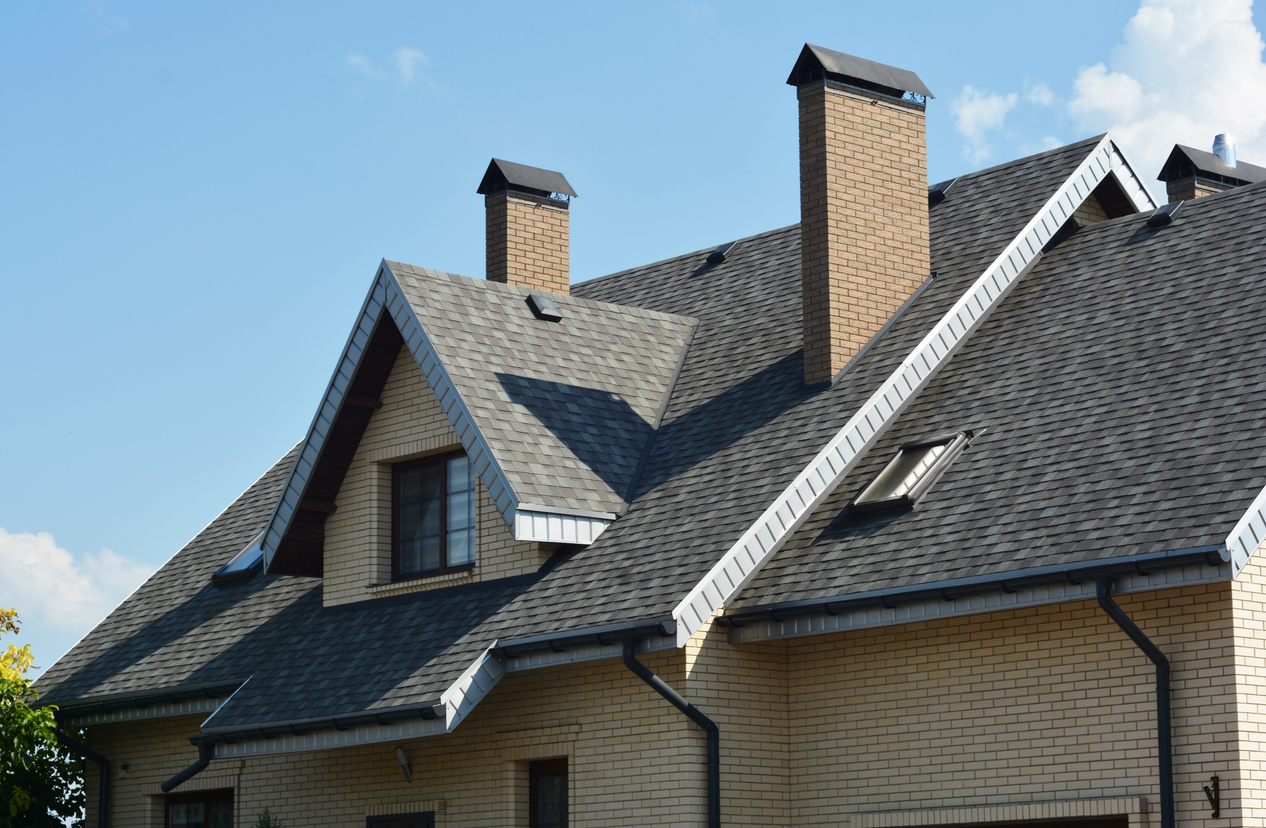
- Pitched Roofs have a more noticeable angle—usually starting around 4:12 or greater. These include gable, hip, and shed roof styles commonly seen in suburban homes across Tampa Bay.
Each has benefits, but when it comes to Florida’s extreme weather patterns, the details matter.
Performance in Rain and Humidity
Flat Roofs:
- Challenge: Drainage is one of the biggest issues. While technically sloped, flat roofs can easily develop pooling water if drains are clogged or installed improperly.
- Humidity Impact: Trapped moisture can lead to blistering, algae growth, and leaks if not properly maintained.
Pitched Roofs:
- Advantage: Steeper slopes encourage fast water runoff, reducing the risk of ponding and leaks.
- Better airflow under pitched roofs helps combat attic humidity and improves energy efficiency.
Verdict: For water management, pitched roofs have a clear advantage in Florida.
Performance in Hurricane Conditions
Flat Roofs:
- Mixed performance: While there’s less surface area exposed to uplift winds, the edge detail and anchoring system must be flawless.
- Vulnerable to debris buildup and water infiltration during long storms.
Pitched Roofs:
- Better wind shedding: A properly designed and installed pitched roof with hurricane straps can withstand wind speeds exceeding 130 mph.
- Note: The steeper the pitch, the greater the wind resistance—up to a point. Overly steep roofs can also be more prone to wind uplift at the edges.
Verdict: Pitched roofs tend to perform better during Florida’s tropical storms and hurricanes—especially when installed to current code standards.
Material Compatibility
Flat Roof Materials:
- TPO (thermoplastic polyolefin)
- Modified bitumen
- EPDM (rubber)
- Built-up roofing (BUR)
These materials are designed for waterproofing large, flat surfaces and typically require professional installation and regular maintenance.
Pitched Roof Materials:
- Asphalt shingles (most common in Tampa Bay)
- Metal roofing
- Clay or concrete tiles
- Architectural shingles
More options for customization, style, and long-term performance.
Verdict: Pitched roofs offer greater material variety, especially for homeowners looking to balance aesthetics and performance.
Installation and Maintenance
Flat Roofs:
- Easier to install due to accessibility and walkable surface.
- More frequent maintenance required to prevent leaks, check for drainage issues, and re-seal seams every few years.
Pitched Roofs:
- Harder to install and inspect, especially on steep-sloped designs.
- Lower maintenance needs, assuming quality installation and ventilation.
Verdict: Flat roofs are cheaper and easier to install initially but require more long-term attention.
Energy Efficiency
Flat Roofs:
- Often combined with reflective membranes or white coatings to reduce heat absorption.
- Can support rooftop AC units and solar panels more easily.
Pitched Roofs:
- Allow for better attic insulation and passive ventilation.
- Can be designed with radiant barriers or cool roof shingles for energy savings.
Verdict: It’s a tie—both can be energy-efficient if designed properly.
Aesthetic and Design Considerations
Flat Roofs:
- Modern and minimalist.
- Great for rooftop patios or green roof installations.
Pitched Roofs:
- More traditional and versatile in appearance.
- Better curb appeal in most Florida neighborhoods.
Verdict: Aesthetic choice depends on home style and personal preference, but pitched roofs often have broader market appeal in resale scenarios.
Cost Comparison
Flat Roof
Installation Cost: Lower (initially)
Maintenance Frequency: Higher
Average Lifespan: 10–20 years
Repair Costs: More frequent, lower cost
Resale Value: Depends on design
Pitched Roof
Installation Cost: Higher (labor + material)
Maintenance Frequency: Lower
Average Lifespan: 20–50+ years
Repair Costs: Less frequent, higher per fix
Resale Value: Higher in most suburban markets
Verdict: Pitched roofs typically cost more upfront but offer better long-term value and durability in Florida’s climate.
Which Roof Is Best for You?
Scenario: Recommended Roof Type
Modern architecture: Flat Roof
High-rainfall area or flood zone: Pitched Roof
Long-term homeownership: Pitched Roof
Low-maintenance preference: Pitched Roof
Rooftop patio or solar panels: Flat Roof
Budget-conscious with plans to sell: Flat Roof (if well-maintained)
Function Over Fashion
Your roof does more than top off your home—it protects your investment from Florida’s harshest elements. Flat roofs may be sleek and affordable, but they demand vigilance and ongoing care. Pitched roofs cost more but offer better water management, storm resistance, and lifespan.
As a roofing consultant serving the Tampa Bay area, I can help you weigh all the factors—style, cost, location, and maintenance needs—to determine which roof type fits your long-term goals.
Need help deciding between flat and pitched roofing options? Contact DryFL Construction Group today for a professional evaluation and recommendation based on your home’s design and your priorities. Let’s make sure your roof is built to last—and designed to protect.


