

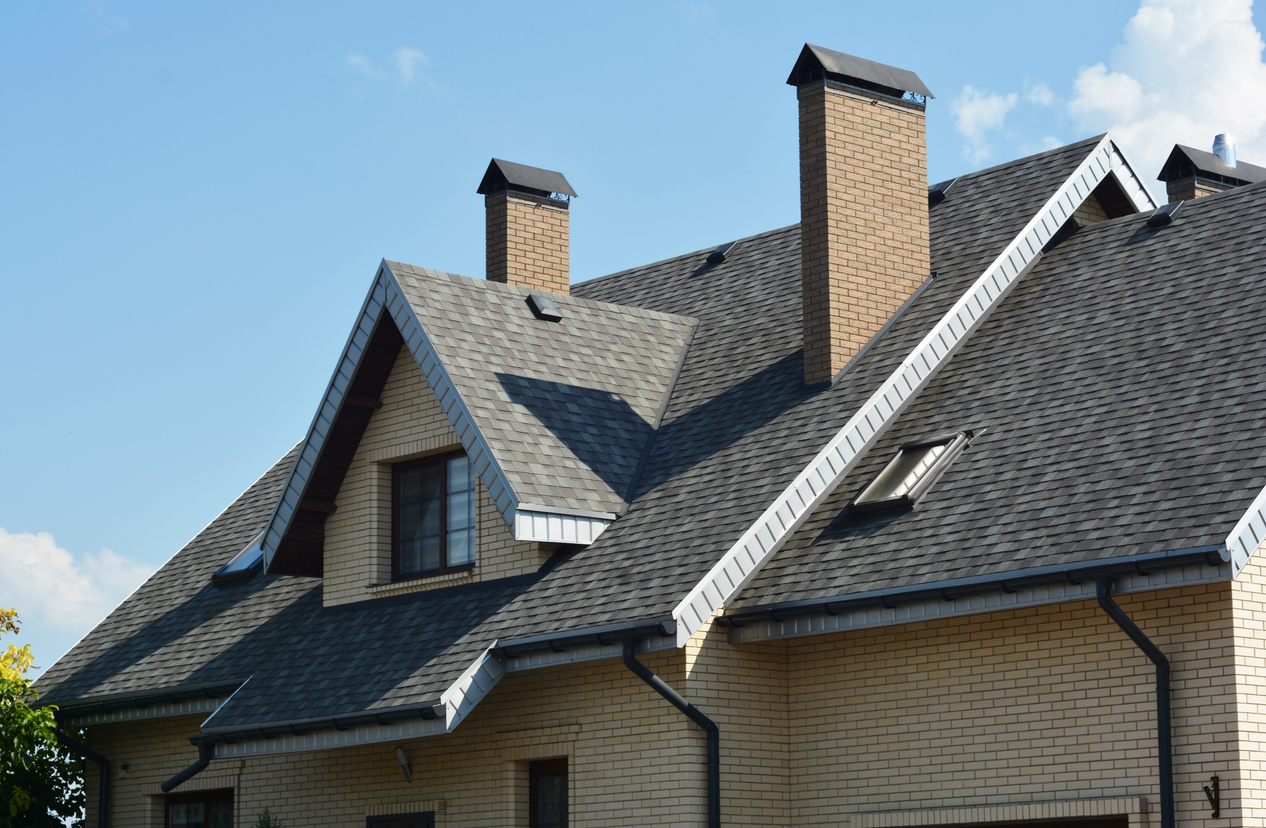




When most people think about the dangers of Florida’s salty air, they imagine beachfront homes weathering ocean spray. But here’s something every Tampa Bay homeowner should know—salt air damage doesn’t stop at the coastline. Even homes in inland areas like Riverview, Wimauma, Ruskin, and Sun City Center can suffer the effects of salt-laden air carried by wind and humidity.
In this guide, we’ll explore how salt air affects different roofing materials, how far inland its impact reaches, and what Florida homeowners can do to protect their roofs from premature aging, corrosion, and costly repairs.
How Does Salt Air Travel Inland?
While oceanfront homes take the brunt of direct salt exposure, Florida’s coastal winds can carry microscopic salt particles several miles inland.
- In humid conditions, salt stays suspended in the air longer, traveling further than you’d expect.
- Florida’s frequent afternoon storms stir up coastal breezes and push salt-laden air into suburban and even semi-rural areas.
Studies show salt air can impact buildings up to 10–50 miles from the coast, depending on wind direction, elevation, and topography.
What Salt Air Does to Your Roof
Salt doesn’t just sit there—it reacts with moisture, metal, and other materials. Over time, it causes:
1. Corrosion of Metal Components
- Flashing, nails, screws, gutters, and metal roofing can rust or weaken
- Fasteners may lose holding power, risking uplift during storms
2. Accelerated Wear on Asphalt Shingles
- Salt-laden moisture degrades asphalt’s waterproofing oils
- Shingles become brittle, lose granules, or crack prematurely
3. Tile Roof Underlayment Breakdown
- Salt air penetrates porous concrete or clay tiles, attacking the waterproof membrane beneath
4. Staining and Discoloration
- Salt deposits can attract mildew and algae growth
- White or grayish salt crystals may appear along roof edges and fascia
Which Roofing Materials Handle Salt Air Best?
Some materials stand up to salt exposure better than others:
Metal Roofing
Resistance Level: High (if coated)-Use marine-grade finishes like Kynar 500 to prevent rust
Clay/Concrete Tile
Resistance Level: Medium – but underlayment must be high-quality
Asphalt Shingles
Resistance Level: Low – Prone to drying and cracking in salt air environments
Synthetic Roofing
Resistance Level: High – Made to resist UV, moisture, and chemical degradation
Best Practice: Choose materials rated for coastal use—even if you’re not on the water.
How Salt Affects Roof Hardware and Accessories
Roofing isn’t just shingles or tiles. Salt corrosion can compromise:
- Ridge vents and attic fans (especially metal blades or housings)
- Gutter hangers and fasteners
- Skylight frames and flashing
- Chimney caps and covers
Rust in these areas often goes unnoticed until a leak develops or the component fails entirely.
What’s the Timeline for Salt Air Damage?
Salt corrosion is slow and cumulative—but without preventive care, visible damage can appear in as little as 5–10 years. Especially on:
- Metal flashing or fasteners
- Shingle roofs with poor attic ventilation
- Homes with older, uncoated aluminum components
Regular inspections can help detect minor issues before they lead to major failures.
Signs Your Roof Is Suffering from Salt Air Exposure
Watch for:
- Rust stains near metal fasteners or flashing
- Bubbling or lifting shingles
- Corroded attic vents or ridge caps
- Flaking or chalky tile surfaces
- Unexplained leaks after coastal winds or storms
If you notice any of these, schedule a roof inspection.
How to Protect Your Roof from Salt Air—Anywhere in Florida
Use Coastal-Grade Materials
- Opt for stainless steel or coated fasteners
- Choose roofing systems tested in marine environments
Rinse Your Roof Annually
- A gentle rinse (not pressure washing) helps remove salt buildup
- Focus on gutters, eaves, and metal components
Inspect After Storms
- High winds push salt deeper into roof layers
- Check for loose shingles, exposed fasteners, or staining
Seal and Repaint Metal Elements
- Use rust-inhibiting primers and marine-grade topcoats on vents, flashings, and caps
Maintain Your Gutters
- Clogged gutters collect salty debris and accelerate corrosion along the roof edge
Schedule Professional Inspections
- Once a year minimum, especially after hurricane season
- Look for signs of early corrosion or flashing failure
Bonus Tip: Roof Ventilation Matters
Salt-laden moisture doesn’t just hit the roof surface—it can seep into your attic. Proper ventilation:
- Reduces trapped humidity
- Prevents condensation
- Helps extend the life of your roofing materials
A poorly ventilated attic + salt air = recipe for mold, rot, and early roof failure.
Inland Doesn’t Mean Immune
Just because you’re not beachfront doesn’t mean your roof is safe from salt air. In Florida, salt can travel miles inland, causing silent but serious damage over time.
The good news? With the right materials, regular maintenance, and early detection, you can protect your roof and extend its lifespan—wherever you live in Tampa Bay.
Concerned about salt air damage or planning a roof upgrade? Contact DryFL Construction Group today for a free inspection. I’ll help you choose coastal-grade materials and keep your roof strong against Florida’s toughest elements—even if you’re miles from the sea.


