

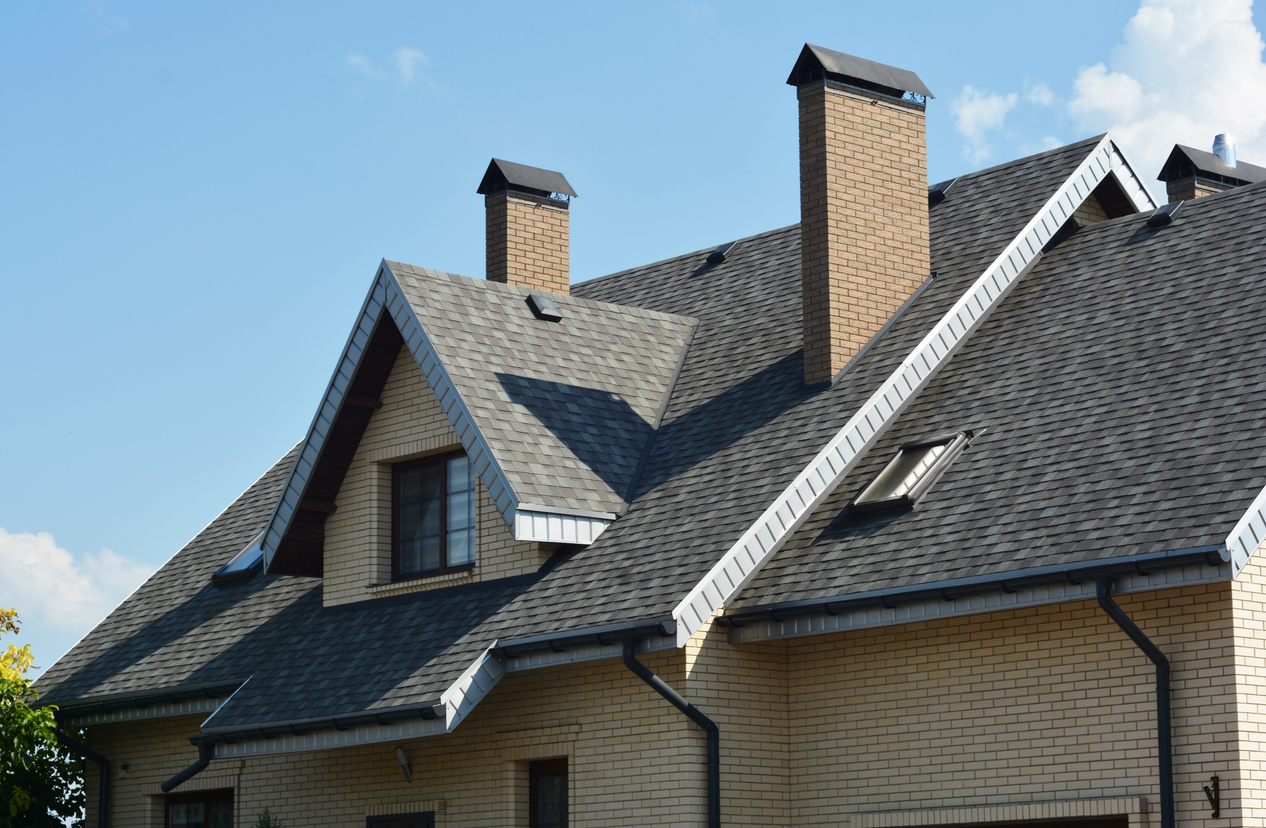




In Tampa Bay communities it’s not uncommon to see bundles of roofing shingles or rolls of underlayment sitting on a driveway or rooftop, waiting for installation. But in Florida’s intense heat and relentless UV exposure, a common question arises: How long can roofing materials sit in the sun before it starts to affect their quality?
This isn’t just a question for roofers—it’s one that every homeowner should understand, especially when investing thousands in a roof replacement. Improper handling and exposure can compromise your roof before it’s even nailed down.
In this article, we’ll explore how long roofing materials should be exposed to the sun, what risks are involved, and how to make sure your roofing project is executed correctly in Florida’s extreme climate.
Why This Matters in Florida
Florida isn’t just hot—it’s brutally humid, UV-intense, and prone to rapid weather swings. This environment is particularly harsh on materials like:
- Asphalt shingles
- Underlayment (felt or synthetic)
- Self-adhesive membranes
- Sealants and adhesives
Leaving these materials exposed—whether on the job site or on your roof—for even a short period of time can lead to:
- Premature aging or curling
- Loss of adhesive integrity
- Warping, bubbling, or melting
- Voided manufacturer warranties
How Long Is Too Long for Roofing Materials to Sit in the Sun?
1. Asphalt Shingles (3-Tab or Architectural)
Maximum Exposure: 1–3 days in direct sunlight before degradation begins.
Why? Shingles are typically bundled in plastic wrap, which traps heat. In Florida, temperatures inside those bundles can exceed 160°F, causing granule loosening, warping, or adhesion between shingles.
Best Practice:
- Keep shingles shaded or stored indoors until ready to install.
- Never leave shingle bundles directly on the roof days before installation.
- If storing outside, keep covered with breathable tarp and off the ground.
2. Underlayment (Felt or Synthetic)
Maximum Exposure:
- 30 days for most synthetic underlayments (check manufacturer specs)
- 7–14 days for #15 or #30 felt paper, especially if exposed to rain or heat
Many Florida contractors install underlayment as a “dry-in” layer and return later for shingles. But underlayment left unprotected beyond its rated exposure limit can become brittle, tear, or lose water resistance.
Best Practice:
- Use high-quality synthetic underlayment with longer exposure ratings.
- Avoid scheduling delays between underlayment and final shingle installation.
3. Self-Adhered Membranes (Peel & Stick)
Maximum Exposure: 90–180 days (varies by brand)
These are often used in Florida for secondary water barriers on low-slope or hurricane-prone homes. While they’re built to withstand sunlight, extended exposure reduces their bond strength and may lead to edge lifting.
Best Practice:
- Read manufacturer instructions—some allow longer exposure, but not indefinitely.
- Avoid installing these months in advance of the main roof install.
4. Sealants and Roofing Adhesives
Sensitivity: Extremely high to UV and temperature
Products like flashing cement, caulk, and adhesives must be stored in a cool, shaded location. Leaving them exposed in the sun can cause:
- Material separation or hardening
- Reduced tackiness or flexibility
Best Practice:
- Store in original containers away from sunlight
- Use on the same day as opening
What Happens When Materials Are Mishandled?
When roofing crews leave materials exposed to the sun:
- Shingles can melt together in bundles, making them hard to separate
- Felt can wrinkle or deteriorate, especially if it rains
- Sealants may fail prematurely, causing leaks within months
- Warranties may be voided if installation guidelines aren’t followed
Even if the roof looks fine after install, these early signs of degradation can cause problems down the road—especially in Florida’s storm-prone environment.
Manufacturer Guidelines: Not Just Suggestions
Every major roofing manufacturer—like GAF, CertainTeed, and Owens Corning—includes strict storage and exposure instructions in their installation manuals.
Common requirements include:
- Do not store materials on the roof overnight
- Install underlayment as soon as possible after tear-off
- Avoid exposing shingles to sunlight until ready to install
- Keep all materials dry, cool, and shaded before use
Why this matters: If you ever need to make a warranty claim, the manufacturer will check whether their installation specs were followed. Mishandled materials = no coverage.
Florida Building Code Considerations
The Florida Building Code (FBC) doesn’t mandate storage procedures, but it does require roofs to meet performance standards:
- Wind resistance (up to 130–150 mph)
- Secondary water barrier integrity
- UV and heat resistance
A roof installed with damaged or overheated materials may not pass inspection—or worse, it may fail when you need it most.
Homeowner Tips: How to Protect Your Investment
1. Ask Your Roofer How They Store Materials
Don’t be afraid to ask during your estimate:
- “How do you handle materials on hot days?”
- “Will you deliver everything the day of installation?”
- “What kind of underlayment do you use, and how long can it sit exposed?”
2. Watch for Early Deliveries
If you notice materials dropped off on a Friday and no work is planned until Monday, call your contractor. Ask them to move materials into the garage or provide shade.
3. Request Full Manufacturer-Backed Systems
Some premium systems from companies like GAF require certified contractors and come with stronger warranties—as long as proper storage and handling are followed.
Timing and Technique Matter in Florida
In a state where summer sun can cook a car interior in minutes and afternoon thunderstorms are almost guaranteed, roofing material handling isn’t a minor issue. It’s the foundation of a successful installation.
If you’re investing in a roof replacement in Florida, make sure you’re not losing value before the first nail is even driven. Proper material handling isn’t just the contractor’s job—it’s part of the due diligence every homeowner should understand.
Need help evaluating a roofing quote or scheduling a summer installation? Contact DryFL Construction Group for a free consultation. I’ll walk you through the best materials, timelines, and installation practices for your specific home and climate.
Because a roof that starts strong—stays strong.


