

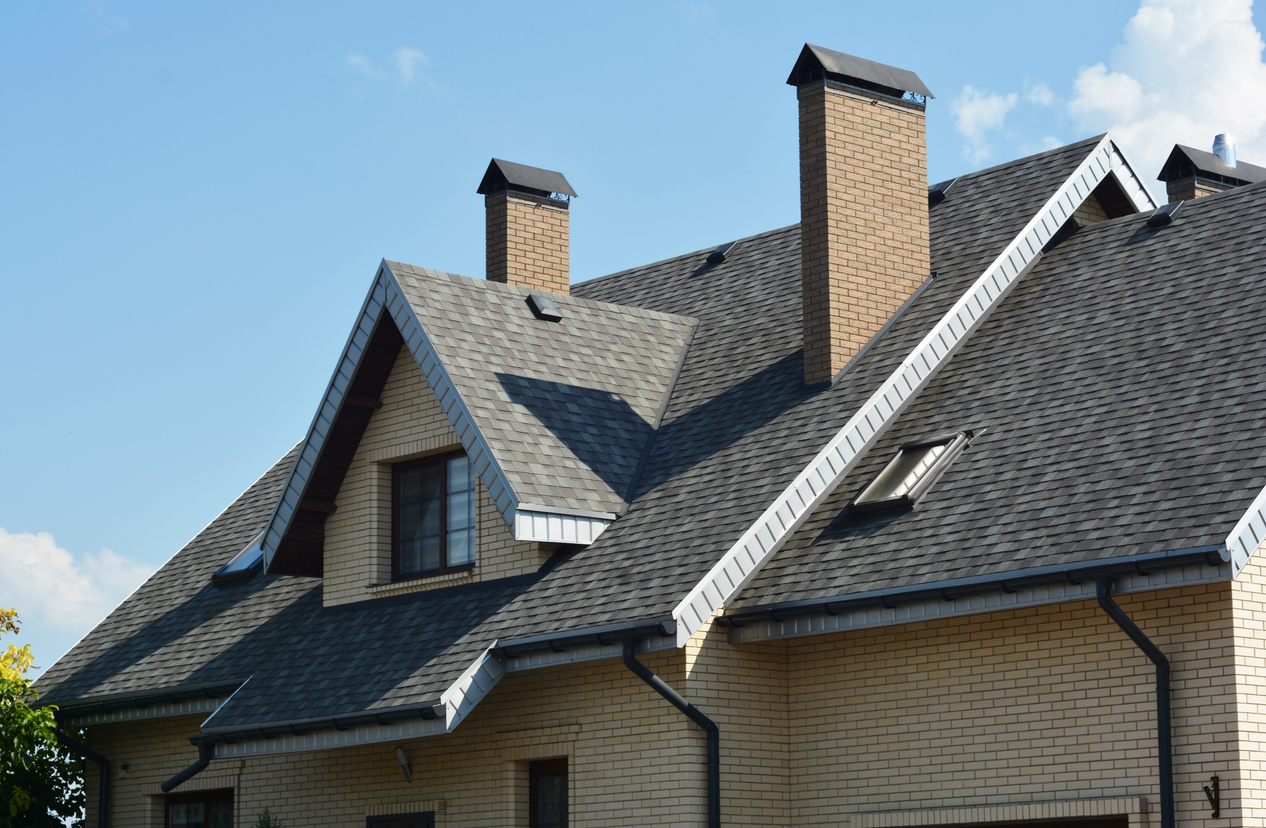



Whether you’re considering adding solar panels, installing a rooftop garden, or going big on holiday decorations, there’s one critical question every Florida homeowner should ask first: How much weight can my roof actually hold?
This question is especially important for Tampa Bay residents, where roof structures must already endure heat, humidity, wind uplift, and even occasional hurricane-force storms. Adding extra weight without knowing your roof’s load capacity can lead to structural damage, premature roof failure—or worse, a collapse.
In this guide, we’ll explore how to evaluate your roof’s weight limits, what’s considered safe, and how to plan for common rooftop additions like solar panels, AC units, and seasonal displays.
Roof Load Basics: Dead Load vs. Live Load
To understand your roof’s capacity, you need to know the difference between two types of loads:
1. Dead Load
This is the weight of the roof itself: shingles or tiles, underlayment, decking, trusses, and insulation. Dead loads are always present and must be accounted for in the structural design.
2. Live Load
This refers to temporary or added weight, like maintenance personnel, equipment, solar panels, holiday decor, or debris. Florida Building Code (FBC) requires roofs to support certain minimum live loads—even more so if the roof is accessible.
In Florida, standard residential roof systems are designed to support:
- Dead load: 10–20 pounds per square foot (psf)
- Live load: 20 psf minimum (more for flat or low-slope roofs)
Factors That Affect Roof Load Capacity in Florida
Roof Pitch
- Steeper pitched roofs shed water and snow better but may support less usable live load
- Flat roofs are more likely to carry weight, but require stronger framing and drainage
Material Type
- Clay and concrete tiles are significantly heavier than asphalt shingles
- Metal roofs are lighter but still require proper support systems
Framing System
- Rafters vs. trusses, spacing, and material grade impact load-bearing capacity
Age and Condition
- Older homes may have degraded wood or outdated framing standards
- Water damage, rot, or pest infestations can reduce structural integrity
Local Building Code and Engineering Specs
- Newer homes in Florida must meet strict FBC guidelines for wind uplift and structural integrity
How Much Do Common Rooftop Additions Weigh?
Here’s a breakdown of typical rooftop items and their approximate weight per square foot (psf):
Solar Panels: Average Weight (psf): 3–5 psf
Rooftop HVAC Unit: Average Weight (psf) 5–10 psf (concentrated load)
Clay/Concrete: Average Weight (psf) 10–12 psf (just the tiles!)
Rooftop Garden or Green Roof: Average Weight (psf) 20–50+ psf (fully saturated)
Christmas Light Displays Minimal: Average Weight (psf) (<1 psf), unless large props or structures are used
Plywood Platform or Decking: Average Weight (psf) 2–4 psf
Solar Panels: A Popular Addition in Florida
Florida is one of the top states for solar installations, and for good reason. But while solar systems are relatively light, the roof must still be evaluated before installation.
- Average system: ~3–4 psf including racking and panels
- Typically spread evenly, but mounting brackets can create stress points
- Must account for wind uplift and waterproofing at attachment points
Before installing solar, homeowners should:
- Have a structural engineer or roofing expert evaluate the framing
- Ensure that the roof is in good condition (preferably less than 10 years old)
- Choose a solar contractor who understands Florida’s permitting and roofing code
Rooftop Gardens or Green Roofs: Beautiful, But Heavy
While green roofs are more common in commercial construction, some eco-conscious homeowners want to bring nature to their rooftops. However, these systems require careful planning.
- Weights range from 20–50 psf (and more when wet)
- Requires waterproof membrane, root barrier, and professional design
Caution: Most residential homes in Florida are not built to support this weight without structural reinforcement.
Rooftop HVAC Systems or AC Units
Some flat-roof homes and townhomes place HVAC systems on the roof. These units are:
- Very heavy in concentrated areas
- Require proper mounting and support platforms
- Can accelerate roof wear without walk pads or proper drainage
If you’re replacing or relocating your HVAC system to the roof, consult a roofing specialist or structural engineer.
Holiday Decorations: How Much Is Too Much?
We all love a festive holiday display—but those animatronic reindeer, blow-up Santas, and sleighs can add more weight than you think.
- Lights and cords: negligible
- Larger decor pieces: 10–50 lbs each, especially with plywood bases
- Anchors or brackets can compromise waterproofing or shingles
Best Practices:
- Spread out heavy decorations
- Avoid concentrated weight near roof edges or valleys
- Never puncture the roofing material—use clips or weighted mounts
How to Find Out Your Roof’s Weight Capacity
- Review Building Plans
If you have access to original blueprints or permits, they may list design loads.
- Hire a Structural Engineer
For any significant rooftop addition, a licensed engineer can evaluate your framing and confirm safe loads.
- Schedule a Roof Inspection
A roofing consultant can check the surface condition, identify stress signs, and advise on upgrades or reinforcements.
- Check with Your Roofer
If your roof was recently replaced, the contractor may have load data based on materials used and framing type.
What Happens If You Overload a Roof?
Adding too much weight to your roof can result in:
- Cracked or bowed rafters
- Sagging roofline or dips in the surface
- Leaks around penetration points
- Accelerated material wear and granule loss
- Catastrophic failure in extreme cases
In Florida, where hurricane-force winds already stress roof systems, added weight must be carefully calculated.
Know Before You Load
Your roof is a hardworking system designed to withstand Florida’s worst weather. Before adding solar panels, heavy decor, or anything else to your roof, make sure it can handle the weight—safely and legally.
When in doubt, bring in a qualified expert. As a roofing consultant serving the Tampa Bay area, I help homeowners assess their roof’s current condition, load capacity, and upgrade options.
Thinking about a rooftop project? Contact DryFL Construction Group today for a free consultation. Let’s make sure your plans are safe, smart, and built for Florida’s climate.


