

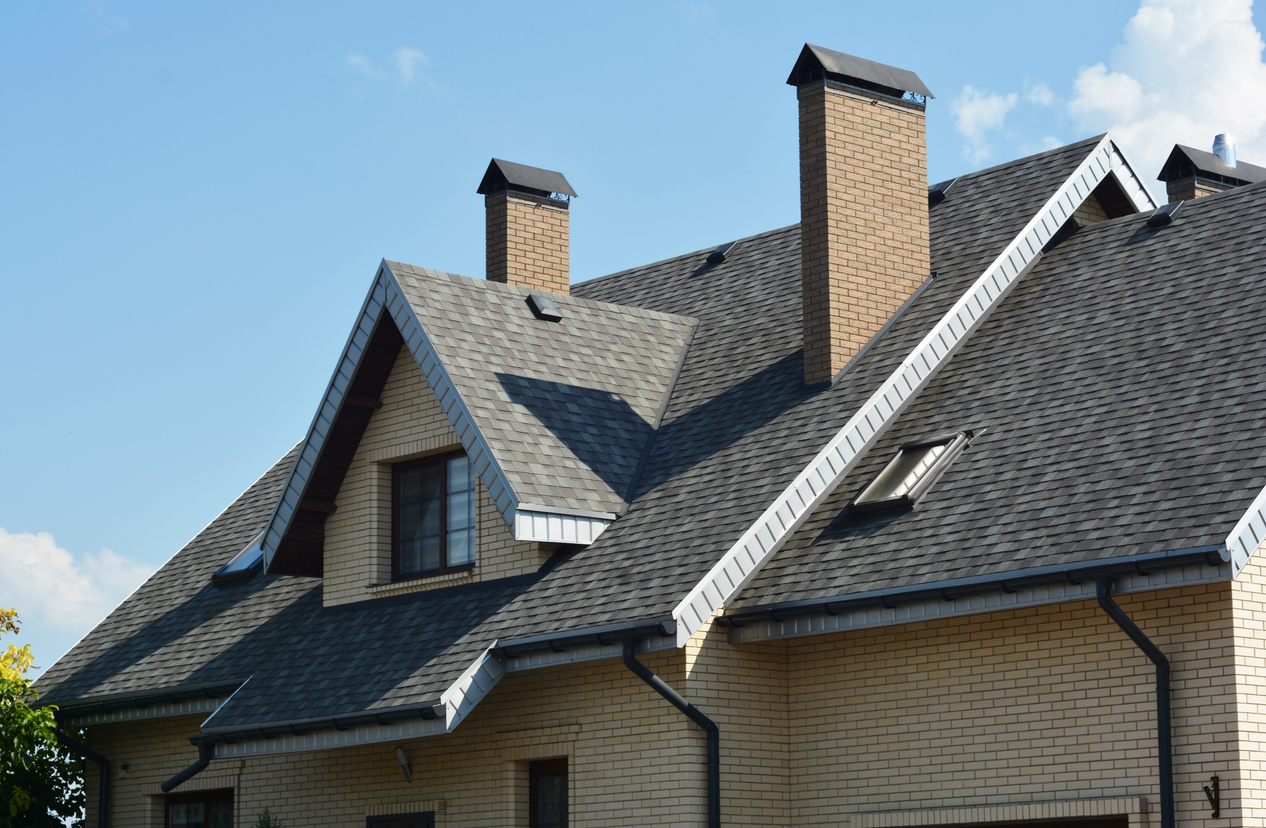



If your home in Tampa Bay—has recently sustained roof damage from wind, hail, or a hurricane, your first instinct might be to panic or rush into repairs. But before you call a contractor or sign anything, there’s a critical step that can determine whether your claim is approved or denied: talking to your insurance adjuster.
Dealing with insurance claims can feel overwhelming, especially after a storm. In this article, I’ll walk you through exactly how to talk to your insurance adjuster after roof damage—so you’re more likely to get the payout you deserve.
Step 1: Understand the Role of an Insurance Adjuster
Insurance adjusters are hired by your insurance company to inspect and evaluate your roof damage claim.
Their job is to:
- Determine if the damage is covered under your policy
- Estimate the cost of repairs or replacement
- Recommend whether to approve, partially approve, or deny the claim
Some adjusters are employees of the insurance company (staff adjusters), while others are independent contractors hired by your insurer.
Important Note: Adjusters work for the insurance company, not for you. That’s why it’s important to be well-prepared and informed during every conversation.
Step 2: Document Everything Before the Adjuster Arrives
Before the adjuster even steps on your property, make sure you:
- Take photos of all visible roof damage, debris, or interior leaks
- Note the date and time of the storm or event that caused the damage
- Gather receipts or records for past roof work, repairs, or inspections
- Write down observations like water stains, mold, missing shingles, or exposed decking
The more evidence you have, the better your chances of getting a fair estimate.
Step 3: Schedule a Professional Roof Inspection First
Here’s a tip many homeowners overlook: Have a roofing expert inspect your roof before the adjuster does.
A qualified roofer or consultant can:
- Give you an honest assessment of the damage
- Take detailed documentation
- Help you understand whether full replacement is necessary
- Be present during the adjuster’s inspection (if allowed)
This creates a record that can support or challenge the adjuster’s findings.
Step 4: Be Present During the Inspection
If possible, be home when the adjuster arrives. You don’t need to hover, but it’s important to:
- Introduce yourself and express appreciation for their time
- Ask if they’d like you to point out specific areas of concern
- Walk them around the home’s perimeter if they allow it
- Keep detailed notes on what they inspect and what they say
Do not sign anything or make verbal agreements at this stage. Your goal is to be cooperative but observant.
Step 5: Use These Key Phrases to Stay in Control
Knowing what to say—and what not to say—can make a big difference.
DO Say:
- “I’d like to make sure everything is thoroughly documented.”
- “Can you explain what you’re looking for during the inspection?”
- “We’ve had this issue since the storm on [date].”
- “Would you like to see my roofer’s report for comparison?”
DON’T Say:
- “I think it was already leaking before.”
- “It’s probably not that bad.”
- “I just want a quick patch.”
These kinds of statements can weaken your claim or suggest that damage pre-dated the storm—leading to denial.
Step 6: Review the Adjuster’s Report Carefully
Once the adjuster completes their inspection, you’ll receive a summary report and an estimate of damages.
What to look for:
- Is the scope of work complete? (underlayment, flashing, vents, decking, etc.)
- Did they include all damaged areas?
- Is the estimate based on current material and labor rates in Tampa Bay?
- Did they recommend a full replacement or just minor repairs?
If something looks off, you can request a re-inspection or file a dispute with additional documentation from your roofer.
Step 7: Don’t Settle Without Exploring All Options
If your claim is underpaid or denied:
- Request a re-evaluation: Provide updated photos, a roofer’s report, or a second opinion.
- File an appeal: Most insurers have a formal dispute process.
- Hire a public adjuster: These professionals work for you, not the insurance company, and can negotiate on your behalf.
Sometimes, adjusters miss damage due to time constraints or inexperience with local roofing codes. You have the right to challenge an incomplete or unfair report.
Step 8: Don’t Let the Insurance Company Choose Your Roofer
While insurers may recommend preferred contractors, you have the right to choose your own roofer in Florida.
Choose a licensed and insured roofing contractor with a solid track record in:
- Working with Florida-specific codes and wind mitigation standards
- Handling insurance claims
- Using premium materials and providing written warranties
Beware of low-bid contractors who cut corners or use subpar materials to match insurance estimates.
Step 9: Know What Your Policy Covers (and What It Doesn’t)
Every policy is different, but most standard Florida homeowner policies:
- Cover wind, hail, and storm-related damage
- Do not cover routine wear and tear or pre-existing conditions
- May cover full replacement if damage exceeds 25% of the roof (per Florida code)
- Require prompt action to prevent further damage (such as tarping or temporary repairs)
Read your policy’s deductible, coverage limits, and exclusions carefully—or ask your roofing consultant to help.
Final Tips for a Smooth Insurance Claim
✅ Act quickly—Florida law requires you to report storm damage within a certain timeframe (often 1 year)
✅ Keep every document—reports, receipts, photos, and emails
✅ Stay calm and professional—remember, adjusters are people too
✅ Don’t accept less than what you’re owed—especially if your home is eligible for a full roof replacement under Florida regulations
Be Your Own Best Advocate
Roof damage is stressful. But with the right preparation and communication, you can dramatically increase your chances of getting your insurance company to do the right thing.
As a Tampa Bay roofing consultant, I’ve helped countless homeowners through this exact process—from documentation to adjuster meetings to full roof replacement. If you need a professional opinion or support with your claim, I’m here to help.
Need help before or after talking to your adjuster? Contact DryFL Construction Group today for a free roof inspection, claim consultation, or a second opinion on your damage assessment. Let’s make sure your insurance works for you, not against you.


