




Proper roof ventilation is crucial but often overlooked by homeowners across Tampa Bay. It significantly impacts your home’s comfort, energy efficiency, and the lifespan of your roofing system.
Yet, many homeowners underestimate or misunderstand the role ventilation plays in their home’s overall performance. As your trusted local roofing expert, I’ll explain the importance of roof ventilation, how it works, and why prioritizing ventilation ensures long-term comfort, savings, and peace of mind.
Understanding Roof Ventilation
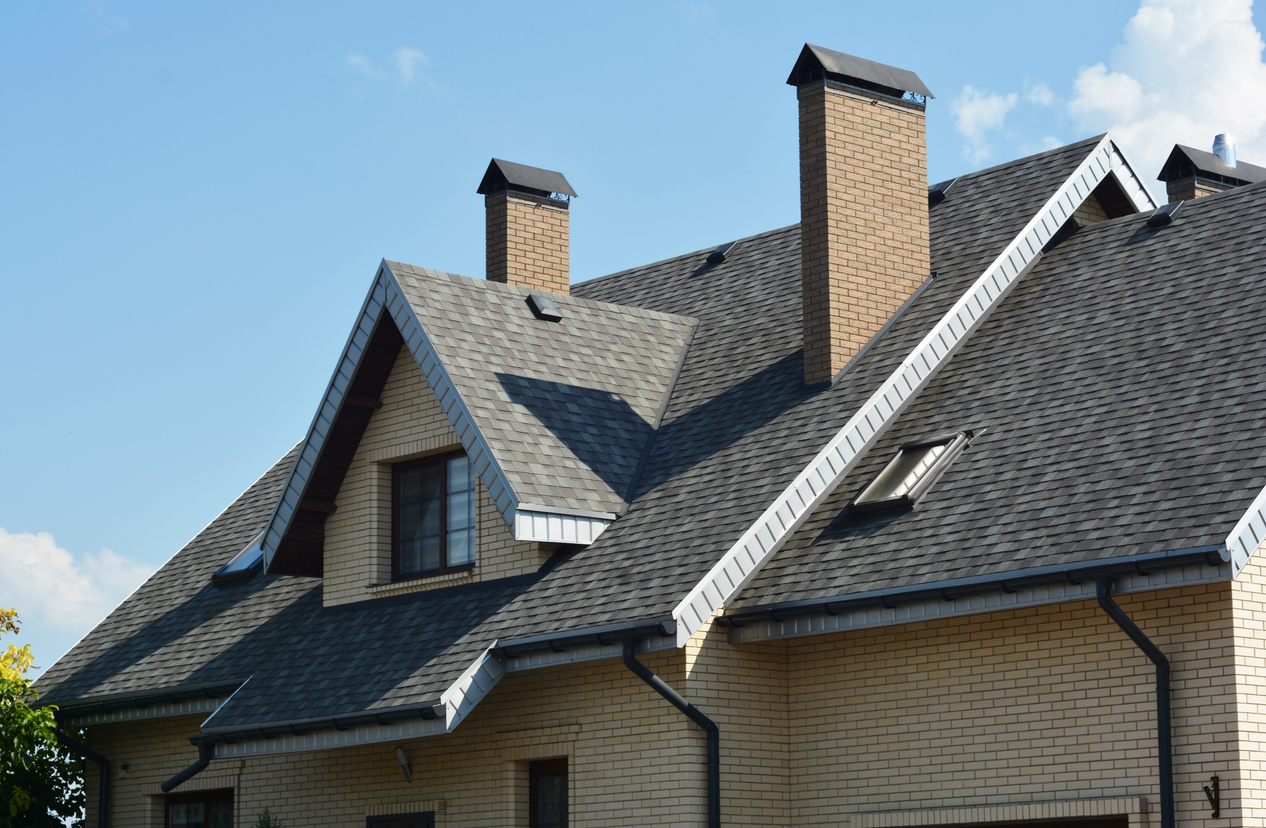
Roof ventilation refers to a system of intake and exhaust vents strategically installed in your attic or roof space. Proper ventilation promotes continuous airflow, allowing hot, moist air to escape and cooler, drier air to enter. This circulation helps maintain consistent attic temperatures, reducing moisture build-up and preventing potential damage caused by heat and humidity.
Why Roof Ventilation is Essential in Tampa Bay
Florida’s hot, humid climate presents unique challenges for roofing systems. Proper roof ventilation is particularly critical in Tampa Bay, where high temperatures and heavy rainfall can quickly lead to moisture issues, mold growth, and accelerated deterioration of roofing materials.
1. Reduces Heat Accumulation
Attics can become incredibly hot during Florida summers, often exceeding 150 degrees Fahrenheit. Without effective ventilation, trapped heat transfers into living spaces, increasing indoor temperatures and forcing your HVAC system to work harder.
Proper roof ventilation dissipates heat, improving indoor comfort and significantly reducing energy consumption and cooling costs.
2. Prevents Moisture Buildup and Mold Growth
Moisture accumulation in attics is common in Florida’s humid climate. Inadequate ventilation traps moisture, fostering mold, mildew, and wood rot. Mold growth can pose serious health risks, while rot and moisture damage weaken structural integrity, necessitating costly repairs.
Proper ventilation efficiently removes excess humidity, preventing mold and structural damage.
3. Extends Roof Life
Excess heat and moisture rapidly degrade roofing materials, significantly shortening their lifespan. Ventilation mitigates these factors, preventing premature aging and deterioration.
A properly ventilated roof can extend your roofing system’s lifespan substantially, offering significant financial savings over time.
4. Protects Against Ice Dams (Even in Florida)
Though ice dams are rare in Florida, occasional colder temperatures combined with poor ventilation can cause condensation issues.
Proper ventilation ensures consistent attic temperature, preventing unexpected damage from condensation buildup during cold snaps.
Signs Your Roof May Have Poor Ventilation
Identifying poor ventilation early prevents costly damage. Common indicators include:
- Excessive attic heat or humidity
- Mold or mildew growth in attic spaces
- Frequent HVAC system overuse or unexplained spikes in energy bills
- Visible moisture or condensation in the attic or roof underside
- Premature curling, cracking, or deterioration of shingles or roofing materials
If you notice any of these signs, immediate action is crucial to prevent further damage and expenses.
Types of Roof Ventilation Systems
Effective ventilation requires balancing intake and exhaust vents. Here are the common types used in Tampa Bay homes:
Intake Vents
- Soffit Vents: Installed beneath roof eaves, these vents allow cool, fresh air into the attic. They’re common and highly effective in promoting adequate airflow.
- Gable Vents: Positioned on the ends of attic walls, these vents provide cross ventilation, particularly suitable for certain roof designs.
Exhaust Vents
- Ridge Vents: Installed along roof peaks, ridge vents allow hot air to escape naturally, providing continuous, passive ventilation.
- Turbine Vents: These vents use wind-driven turbines to actively pull hot air from attics, effective in areas with consistent breezes.
- Powered Attic Fans: Electric-powered exhaust fans actively remove hot air, beneficial for larger attics or homes needing extra ventilation.
Maximizing Your Roof Ventilation
Optimal roof ventilation requires proper balance and professional installation. A poorly designed or improperly installed ventilation system can lead to reduced performance, increased energy costs, and potential roof damage. Partnering with experienced roofing professionals ensures effective ventilation customized specifically for your home’s size, design, and climate challenges.
Benefits of Professional Roof Ventilation Installation
Expert Assessment and Design
- Professional roofing consultants evaluate your specific ventilation needs, recommending solutions that provide optimal performance, energy savings, and home comfort.
Premium Materials and Workmanship
- Professionally installed ventilation systems utilize premium materials and precise techniques, ensuring durability, efficiency, and extended lifespan.
Compliance and Warranty Protection
- Properly installed ventilation systems maintain compliance with building codes, insurance requirements, and roofing warranties, protecting your investment and reducing liability risks.
The Cost of Ignoring Roof Ventilation
- Ignoring roof ventilation significantly increases potential damage, reduces roof lifespan, and dramatically raises energy bills.
- Poor ventilation leads to premature roof replacements, increased maintenance costs, and potential health hazards due to mold growth—all avoidable expenses with proactive ventilation solutions.
Act Now: Protect Your Home and Investment
Every day without proper roof ventilation increases your risk of costly roof damage and higher energy expenses. Your homeowner’s insurance expects proactive mitigation of roof-related risks, making timely ventilation solutions crucial.
As your committed local roofing expert dedicated to premium materials, superior customer service, and exceptional value, I urge Tampa Bay homeowners—especially those in Riverview, Wimauma, Ruskin, and Sun City Center—to prioritize proper roof ventilation.
Contact DryFL Construction Group today for a professional assessment and personalized ventilation solutions. Together, we’ll ensure your roof provides lasting comfort, energy efficiency, and financial savings for many years to come.


