




Florida is known worldwide as the lightning capital of the United States. With frequent summer thunderstorms and intense lightning activity, Tampa Bay homeowners—particularly those living in Riverview, Wimauma, Ruskin, and Sun City Center—face a very real and frequent threat from lightning strikes.
A common concern homeowners often raise is whether investing in a lightning protection system for their roofs is a necessary precaution or simply an unnecessary expense.
In this detailed comparison, we’ll thoroughly explore the facts, debunk common misconceptions, review data from trusted sources like roofing manufacturers and weather stations, and help you make an informed decision.
Understanding Florida’s Lightning Risk: What the Data Says
Before diving into whether a lightning protection system makes sense, it’s critical to understand why Florida is particularly vulnerable. According to the National Weather Service (NWS) and the Insurance Information Institute (III), Florida consistently ranks highest in lightning strikes per square mile annually.
The state’s geographical location and humid, subtropical climate create optimal conditions for lightning generation, especially during the summer months.
The Tampa Bay area, specifically, sits within what’s commonly termed “Lightning Alley,” a corridor extending from Tampa Bay eastward across the state. According to Vaisala’s Annual Lightning Report, this area experiences an average of more than 50 strikes per square mile annually, significantly higher than national averages.
This heightened exposure makes lightning protection not merely a convenience but a legitimate safety and financial consideration for homeowners.
How Does Lightning Damage Roofs and Homes?
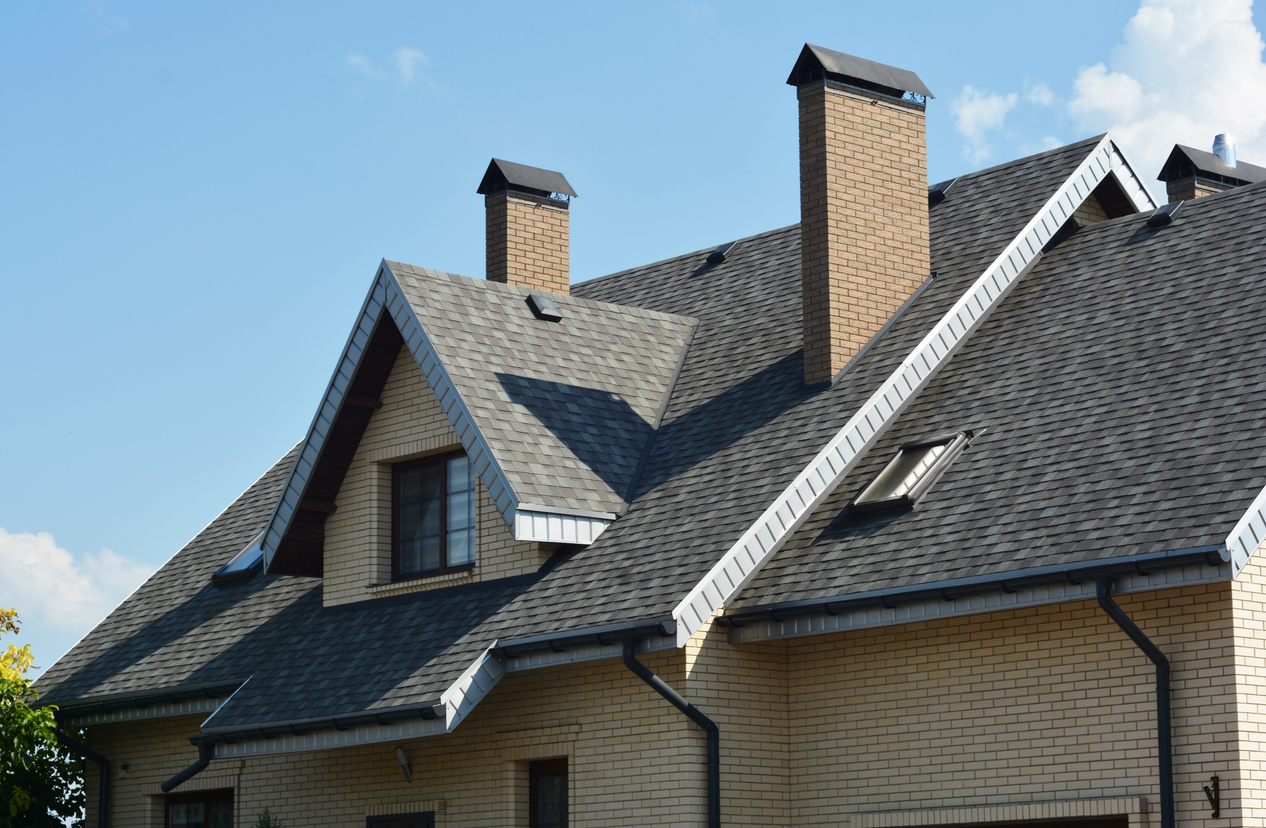
Lightning strikes cause damage through direct hits or indirect surges. Roofing manufacturer GAF notes that a direct lightning strike to a roof can instantly ignite roofing materials, damage shingles or tiles, and compromise structural integrity.
Even an indirect strike, traveling through power lines or plumbing, can severely damage electrical systems and appliances.
According to roofing manufacturers like Owens Corning, CertainTeed, and GAF, lightning-related fires often begin in roof areas lacking proper grounding or protection systems.
Such incidents are catastrophic, not only damaging roofs but also jeopardizing entire homes and occupants.
What Exactly Is a Lightning Protection System?
A lightning protection system is a carefully designed setup consisting of several key components:
- Air terminals (lightning rods): Placed strategically on the highest points of your roof, these rods intercept lightning strikes.
- Conductors (cables): Safely transfer electricity from the air terminals to the ground.
- Ground rods: Buried into the earth to disperse lightning energy safely.
- Surge protection devices: Installed on the home’s electrical panels to protect against indirect voltage surges.
The Lightning Protection Institute (LPI) stresses that properly installed systems offer an effective route to safely channel lightning away from homes, substantially reducing the likelihood of structural damage or fire.
Benefits of Installing a Lightning Protection System
1. Enhanced Safety and Peace of Mind
Lightning protection systems significantly reduce the risk of fire and structural damage. Especially in high-risk zones like Tampa Bay, homeowners gain peace of mind knowing they’ve taken practical steps to safeguard their homes.
2. Insurance Discounts and Reduced Costs
Many home insurance providers offer premium discounts for homeowners with professionally installed lightning protection systems. According to State Farm and Allstate, homes with these systems installed experience fewer costly claims, leading insurers to incentivize installation.
3. Protecting Valuable Electronics and Appliances
Modern homes are filled with valuable electronic devices sensitive to power surges. Systems that incorporate whole-house surge protection significantly reduce the risk of damage, protecting investments in computers, appliances, HVAC units, and entertainment systems.
Common Misconceptions Debunked
Myth #1: Lightning protection systems attract lightning.
This is one of the most common myths homeowners believe. In reality, lightning rods don’t attract lightning; they simply provide a safe path for electrical discharge if lightning chooses your home’s roof as the strike point.
Myth #2: Metal roofs attract lightning more frequently.
Leading manufacturers like Gulf Coast Supply and Englert Metal Roofing agree that metal roofs do not increase lightning strike probability.
However, metal roofs may help dissipate lightning energy safely if properly grounded with a lightning protection system.
Considering the Costs vs. the Benefits
The average residential lightning protection system typically ranges from $1,500 to $5,000, depending on home size, roof complexity, and system specifics. While this may initially seem substantial, the Lightning Protection Institute emphasizes that it is minimal compared to potential losses from a single strike.
Repairing roof damage, structural issues, electrical system failures, and replacing household electronics often runs into tens of thousands of dollars, not including displacement costs due to temporary relocation.
When considering cost-effectiveness, weigh the upfront system investment against long-term protection, reduced insurance premiums, and peace of mind, especially given Florida’s extreme lightning risk.
Is a Lightning Protection System Necessary for Every Home?
While beneficial, not every home requires immediate installation. Factors to consider include:
- Location: Homes in high lightning strike-density areas (like Tampa Bay) benefit most significantly.
- Building Height and Roof Type: Taller homes and structures on elevated land or near open fields face a higher risk of direct strikes.
- Historical Lightning Incidents: If your home or neighborhood previously experienced lightning strikes, installing a system becomes an urgent safety measure.
Expert Recommendations for Tampa Bay Homeowners
- Professional Evaluation:
Consult licensed lightning protection specialists certified by Underwriters Laboratories (UL) or the Lightning Protection Institute (LPI) to conduct comprehensive risk assessments specific to your home’s location and design.
- Regular Maintenance:
Like roofs themselves, lightning protection systems require periodic inspections, typically every 3 to 5 years, ensuring all components function correctly.
- Integrate with Roofing Projects:
If you’re planning roof repairs, replacements, or upgrades, consider simultaneously installing a lightning protection system, as integrating it during roofing work often reduces overall costs and complexity.
Things Florida Homeowners Need to Remember
Florida’s lightning risk, especially around Tampa Bay, warrants serious consideration of lightning protection systems. Homeowners should carefully weigh the initial investment against potential damages, insurance benefits, and peace of mind. As storms become increasingly intense and frequent, proactive protective measures become essential.
- Every rainstorm or thunderstorm without adequate protection exposes your home to potential severe damage.
- Homeowners bear responsibility under most insurance policies to mitigate foreseeable risks, including lightning strikes.
- Delaying decisions increases risks and could lead to significantly higher repair costs and complications later.
If you have questions about installing a lightning protection system on your Florida roof or want a thorough roof evaluation, contact DryFL Construction Group today. Acting proactively now means safeguarding your family, home, and investments against Florida’s frequent and potentially devastating summer lightning storms.
Sources:
- National Weather Service (weather.gov)
- Insurance Information Institute (iii.org)
- Lightning Protection Institute (lightning.org)
- Vaisala Annual Lightning Report
- Roofing Manufacturers: GAF (gaf.com), Owens Corning (owenscorning.com), CertainTeed (certainteed.com), Gulf Coast Supply (gulfcoastsupply.com), Englert Metal Roofing (englertinc.com)


