

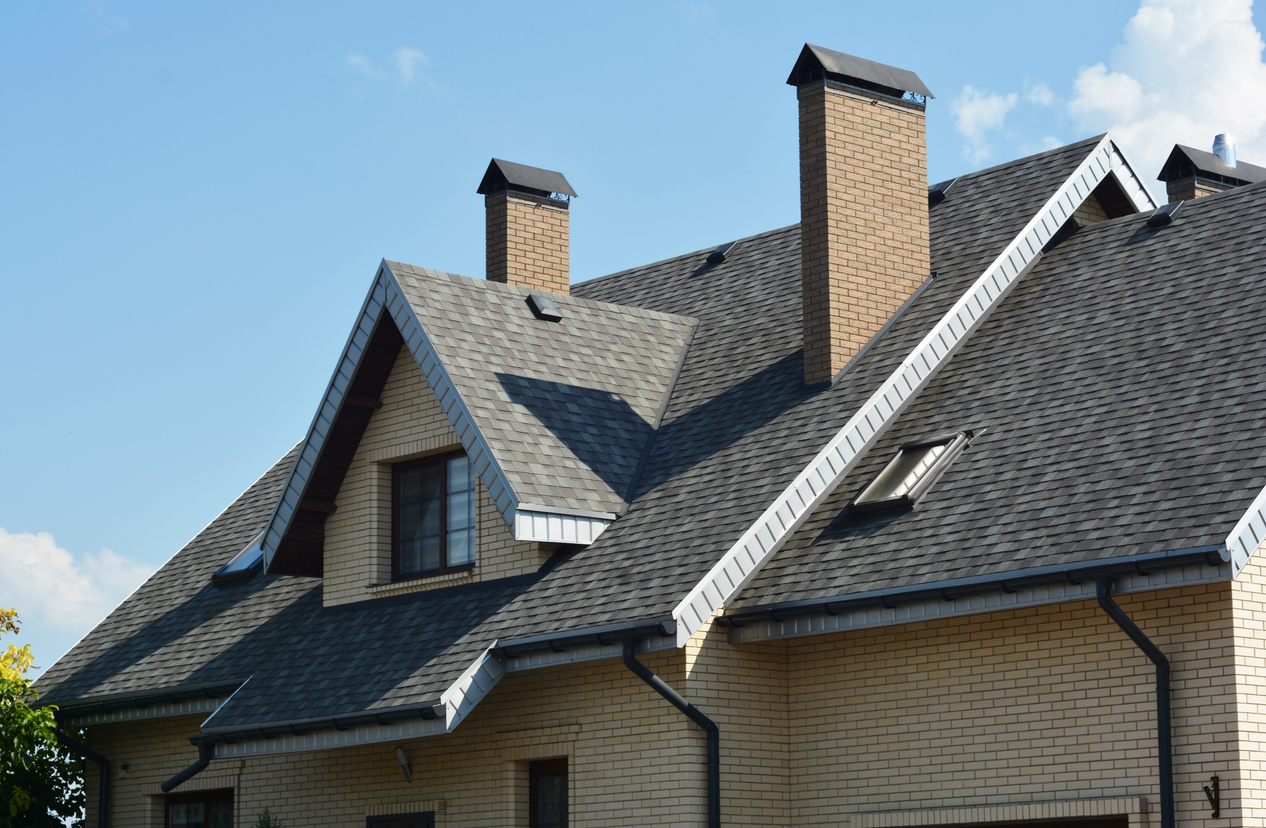


Every year, the arrival of Florida’s summer storms heralds not just intense rains, winds, and lightning, but also a less obvious threat: storm-chasing roofing scammers.
These opportunistic individuals prey on homeowners who’ve experienced storm damage, exploiting fear, urgency, and confusion to make quick money off unsuspecting victims.
Particularly in storm-prone areas such as Riverview, Wimauma, Ruskin, and Sun City Center, scam artists masquerading as legitimate roofing professionals frequently sweep into neighborhoods after severe weather.
Understanding who storm chasers are, how to spot them, and how to avoid their deceptive practices can save Tampa Bay homeowners significant financial and emotional distress.
Who Are Storm Chasers?
Storm chasers, in the context of roofing, are out-of-town or unlicensed contractors who arrive immediately following severe weather, offering quick repairs or replacements, often at suspiciously low prices. Their business model is simple:
- Target vulnerable homeowners in affected areas.
- Make unrealistic promises regarding pricing and timelines.
- Pressure homeowners into hasty decisions.
- Perform subpar or incomplete work.
- Quickly move on before the homeowner discovers problems.
According to the National Roofing Contractors Association (NRCA), storm chasers significantly damage the industry’s reputation and often leave homeowners in worse condition than before the storm.
Common Tactics Used by Roofing Scam Artists
1. Door-to-Door High-Pressure Sales
Immediately after storms, scammers approach homeowners directly, often using fear tactics. They’ll suggest your roof is in critical condition or imply immediate repairs are needed to prevent further damage.
2. Insurance Fraud Schemes
Storm chasers may suggest inflating or fabricating damage claims to insurance companies, which is not only unethical but illegal, leaving homeowners liable to potential insurance fraud charges.
3. Requesting Full Payment Upfront
Scammers frequently demand full payment before beginning any work, disappearing once paid or providing substandard repairs.
4. Offering to Waive Your Insurance Deductible
Reputable roofing companies explain clearly that homeowners must pay their deductible. Scammers frequently use promises to waive deductibles as a tempting but fraudulent selling point.
Warning Signs of Roofing Scams in Tampa Bay
Recognizing red flags can protect your home, finances, and peace of mind. Common indicators include:
- No Local Address or Office: Legitimate roofing professionals have a stable local presence and verifiable addresses.
- Out-of-State License Plates: Storm chasers frequently operate with vehicles registered elsewhere, indicative of transient operations.
- Lack of Proper Documentation: Reputable contractors provide licenses, insurance coverage, and clear, written estimates.
- Pressure to Sign Immediately: Legitimate roofers never pressure homeowners to sign contracts on the spot without allowing ample time for decision-making.
- Cash-Only Transactions: Professional contractors typically offer multiple secure payment options. Scammers frequently insist on cash payments to avoid paper trails.
Trusted Industry Perspectives
Major roofing manufacturers like GAF and Owens Corning emphasize the importance of verifying roofing contractors through manufacturer certifications and warranties.
Certified roofing professionals undergo rigorous training and maintain specific quality standards, clearly separating themselves from transient scammers.
Furthermore, the Better Business Bureau (BBB) and Angie’s List consistently advise homeowners to thoroughly vet roofing contractors by checking reviews, complaints, and BBB ratings.
These trusted platforms are invaluable resources to distinguish reputable companies from storm-chasing opportunists.
Real-Life Consequences of Falling Victim to Roofing Scams
The unfortunate reality of falling prey to storm-chasing scammers involves more than financial loss:
- Incomplete or Shoddy Repairs: Many homeowners discover, after paying large sums, their roofs are inadequately repaired or structurally compromised, requiring additional costly repairs.
- Loss of Insurance Coverage: Insurance companies may deny future claims related to improperly performed roofing work, or even cancel policies outright.
- Legal Trouble: Homeowners unwittingly involved in fraudulent insurance claims risk substantial legal repercussions.
- Home Devaluation: Poorly repaired roofs drastically reduce property values, complicating future sales.
How to Protect Yourself from Roofing Scams
Here’s a comprehensive checklist every Florida homeowner should follow before hiring a roofer:
1. Verify Credentials and Insurance
Always confirm licensing via Florida’s Department of Business and Professional Regulation (DBPR). Additionally, request proof of liability insurance and workers’ compensation coverage.
2. Obtain Written Estimates and Contracts
Legitimate contractors provide detailed, written estimates specifying work scope, materials, costs, and timelines. Never rely solely on verbal agreements.
3. Avoid Door-to-Door Deals Without Vetting
Never sign contracts immediately after a storm without researching the company. Legitimate companies understand and respect your need for due diligence.
4. Ask for References and Local Reviews
Request local references and verify recent projects within your community. Consult online reviews on trusted platforms like BBB, Google, or Angie’s List.
5. Seek Manufacturer Certifications
Certified roofers affiliated with major manufacturers (like GAF Master Elite or Owens Corning Platinum Preferred contractors) are significantly less likely to engage in scam behaviors.
Resources for Florida Homeowners
Trusted resources Tampa Bay homeowners can use to verify roofing contractors include:
- Florida Department of Business and Professional Regulation (DBPR)
Provides verification of contractor licenses and status.
- Better Business Bureau (BBB) of West Florida
Tracks customer reviews, ratings, and complaints.
- Florida Roofing and Sheet Metal Contractors Association (FRSA)
Offers education and lists of licensed roofing professionals.
- Manufacturer Websites (GAF, Owens Corning, CertainTeed)
Provide lists of certified contractors offering warranties and guaranteed standards.
- Local Weather Authorities (National Weather Service – Tampa Bay)
Provide accurate, up-to-date storm information, helping homeowners avoid unnecessary urgency pushed by scammers.
What to Do If You Suspect a Scam
If you encounter or suspect roofing fraud, take immediate steps:
- Report it: Contact local law enforcement and the Florida Attorney General’s Office.
- Document: Record all interactions, maintain copies of proposals, payments, and communications.
- Warn Others: Share your experience on neighborhood social media platforms, community forums, and with local homeowner associations.
Why Prompt Action Matters
As Tampa Bay homeowners, understanding how storm chasers operate empowers you to make informed decisions during stressful post-storm scenarios. Always remember:
- Every summer storm without immediate legitimate repairs potentially exacerbates existing roof damage.
- Insurance companies typically require homeowners to promptly mitigate damage after storms.
- Delaying professional repairs or hiring an illegitimate contractor can lead to significantly higher repair costs and severe consequences down the road.
Storm chasers count on homeowners being uninformed, overwhelmed, and vulnerable after storms. By educating yourself about their tactics and knowing how to spot red flags, you safeguard your home, family, and finances against exploitation.
When your home suffers storm damage, always choose a reputable, certified, and locally established roofing professional. Taking these steps ensures your roofing investment is safe, protected, and durable against Florida’s harsh climate conditions.
If you suspect damage or have questions about storm-related repairs, contact DryFL Construction Group immediately—before summer scammers have a chance to knock on your door.
Sources:
- National Roofing Contractors Association (NRCA.org)
- Better Business Bureau (bbb.org)
- Florida Department of Business and Professional Regulation (myfloridalicense.com)
- Roofing manufacturers: GAF.com, OwensCorning.com, CertainTeed.com
- Florida Roofing & Sheet Metal Contractors Association (floridaroof.com)
- Insurance Information Institute (iii.org)
- National Weather Service – Tampa Bay (weather.gov/tbw)


