

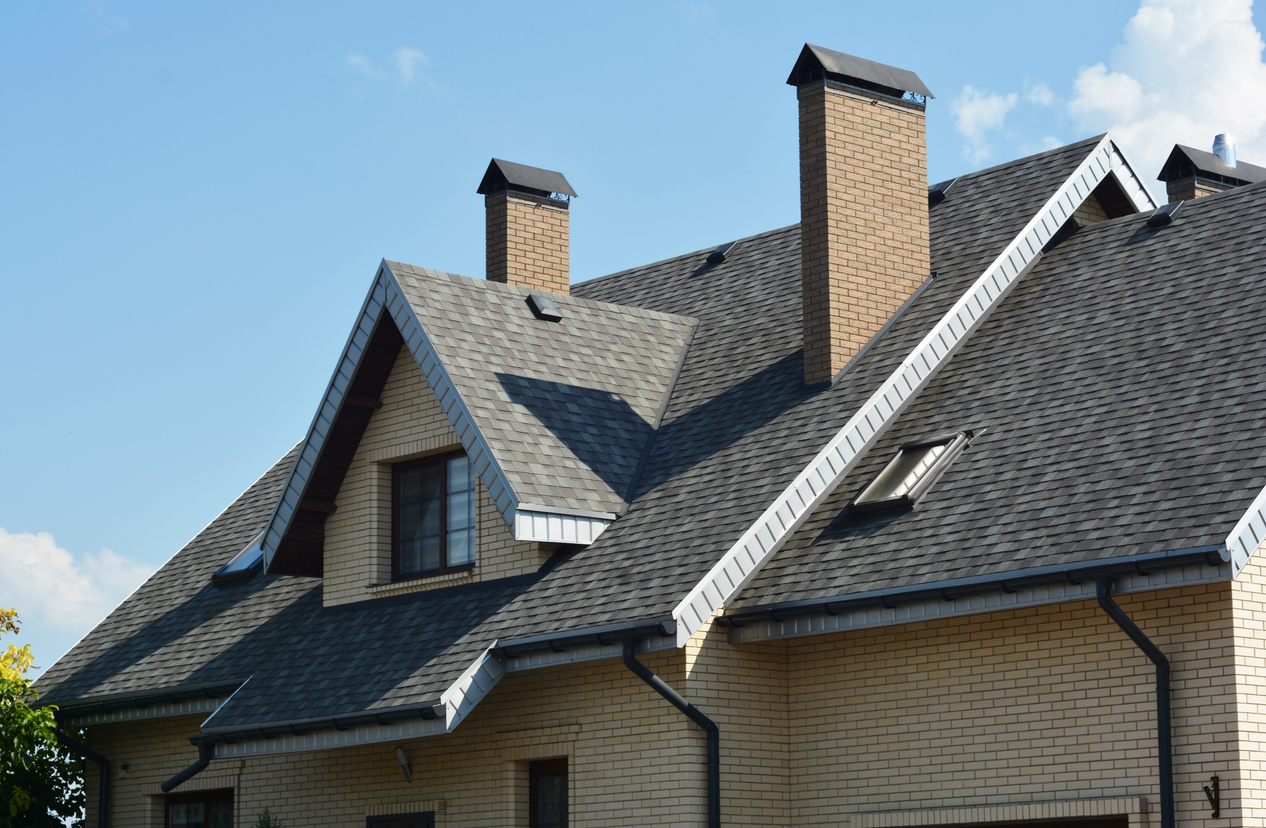



When you invest thousands of dollars into a new roof, you expect it to last—especially under the challenging weather conditions of Tampa Bay. Whether you’re in Riverview, Wimauma, Ruskin, or Sun City Center, your roof endures intense UV rays, torrential rain, high humidity, and the looming threat of hurricanes.
That’s why understanding your roof warranty is just as important as the materials and installer you choose. Unfortunately, many homeowners don’t read the fine print until it’s too late.
Let’s break it down and look at five clauses every Florida homeowner should understand before (or after) signing off on a new roof.
1. Material vs. Workmanship Warranties: Know the Difference
Most roofing warranties fall into two categories:
Material Warranty (Manufacturer Warranty)
This is offered by the roofing material manufacturer (such as TAMKO, GAF, or Owens Corning). It covers defects in the roofing product itself, such as premature cracking, blistering, or shingle deterioration due to faulty manufacturing.
- Typical length: 20–50 years (sometimes “lifetime”)
- Important note: A “lifetime warranty” often refers to the expected lifespan of the product under ideal conditions—not a guarantee your roof will last forever.
Workmanship Warranty (Installation Warranty)
This comes from your roofing contractor. It covers errors made during installation—things like improper flashing, incorrect nail placement, or failing to install underlayment correctly.
- Typical length: 1–10 years, though some premium contractors offer extended workmanship coverage when using certified materials.
Why it matters: Even the best materials will fail prematurely if installed incorrectly—and that failure likely won’t be covered by the manufacturer.
2. Transferability Clauses: Does the Warranty Stay with the Home?
If you plan to sell your home within the next 10–20 years, pay close attention to whether your warranty is transferable to the next homeowner.
- Some warranties automatically transfer once during the warranty term.
- Others require registration or a transfer fee (typically within 30–60 days of the home’s sale).
- Some warranties do not transfer at all, or they may reduce coverage length after the transfer.
Example: GAF’s System Plus Warranty allows one free transfer during the first 20 years—but only if you follow their transfer process.
Why it matters: A transferable roof warranty can be a powerful selling point when listing your home—offering peace of mind to potential buyers and increasing property value.
3. What Voids the Warranty? (The Fine Print You Can’t Ignore)
Warranties often include a long list of exclusions. Here are some of the most common—and surprising—ways homeowners unintentionally void their roof warranty:
a) Improper Installation
If your roof wasn’t installed to the manufacturer’s specs (even if the materials are top-of-the-line), the material warranty may be voided.
b) Unapproved Repairs or Modifications
Using non-certified contractors to repair, replace, or modify your roof can cancel both material and workmanship coverage. This includes:
- Installing solar panels without proper flashing
- Adding satellite dishes or antennas
- Replacing vents or skylights
c) Poor Ventilation
Improper attic ventilation causes excessive heat and moisture buildup, which can lead to shingle failure. If an inspector finds your attic wasn’t ventilated to code, the warranty may not apply.
d) Neglect and Lack of Maintenance
Failing to remove debris, clean gutters, inspect for moss, or address minor leaks can be considered negligence—and grounds for denying a claim.
Why it matters: Homeowners often believe their warranty covers “anything that goes wrong.” In reality, even small maintenance oversights can give the manufacturer or contractor grounds to reject a warranty claim.
4. Limitations on Coverage (Especially in Florida)
Even when your warranty is valid, there are often strict limitations on what it actually covers—and for how long.
Material Warranties:
- May only cover defective products, not the labor required to fix them (unless you purchase an upgraded warranty).
- Often prorated after a certain number of years—meaning you get less value the older your roof is.
- May exclude damage from Florida-specific conditions like high winds unless upgraded wind warranties are purchased.
Workmanship Warranties:
- Usually exclude damage caused by storms, animals, foot traffic, or unrelated home systems (plumbing, HVAC, etc.)
- Coverage lengths vary widely and often depend on whether you’ve maintained the roof according to the contractor’s terms
Example: A 10-year workmanship warranty may only cover the first few years fully, with prorated or limited labor coverage after that.
5. Storm and Wind Coverage: Are You Really Protected?
This is a crucial point for Florida homeowners. Many assume that a new roof is automatically hurricane-resistant. But the truth is:
- Basic warranties may not cover wind damage over 60–70 mph.
- Upgraded wind warranties (covering up to 130+ mph) may only be available when using certified contractors and full-system installations.
- Damage must be clearly caused by product failure—not by debris impact or improper installation, or it may not be covered.
Tip: Always ask your roofer for the wind rating of your shingles or tiles and confirm whether your warranty includes enhanced wind protection.
Questions to Ask Your Roofing Contractor Before Signing
To avoid surprises later, ask these questions upfront:
- What type of warranty comes with this roofing system?
- What does it cover—and what does it exclude?
- Is the warranty transferable if I sell the home?
- Does it include labor or just materials?
- Are there any maintenance requirements I must follow to keep the warranty valid?
- Do you offer any workmanship guarantees separate from the manufacturer warranty?
Reputable roofing experts will have no issue providing detailed, transparent answers to these questions.
Don’t Assume—Understand
Roof warranties can be a valuable layer of protection, but only if you know what’s actually included. Don’t assume your “lifetime warranty” covers everything. Read the details, ask questions, and partner with a contractor who stands behind both their work and the products they use.
As a roofing consultant serving Riverview, Wimauma, Ruskin, and Sun City Center, I’m here to walk you through your options, review your existing warranty, and ensure you’re protected long after your new roof is installed.
Need help understanding your roof warranty—or shopping for one that actually works in your favor? Contact DryFL Construction Group today for a consultation and a professional breakdown of what your warranty really means for your home and your peace of mind.


