

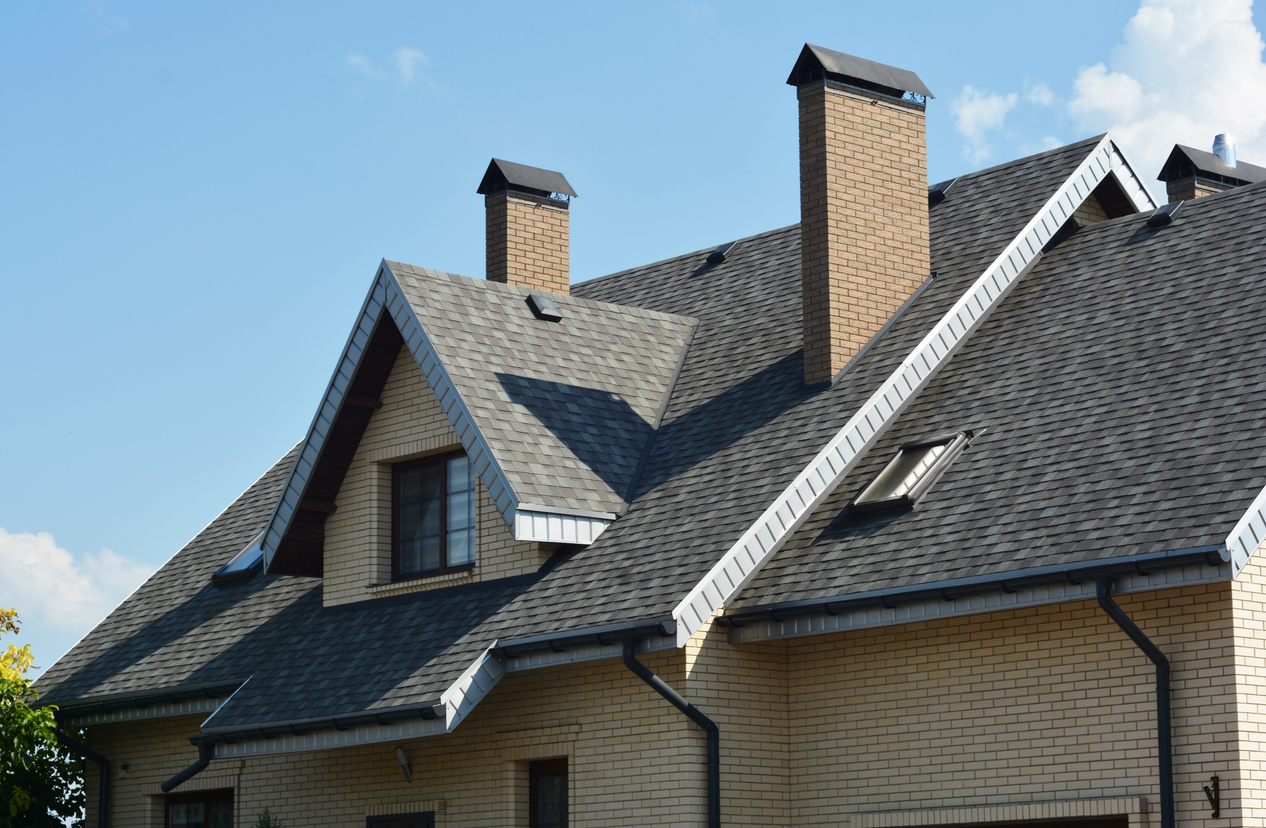




If your Tampa Bay home—has been hit by a recent storm, you may be wondering if your roof is still in good shape. Even when there are no visible leaks, high winds, hail, and flying debris can cause damage that may not show up immediately. That’s why scheduling a professional storm damage inspection is one of the smartest moves you can make after severe weather.
But what exactly do roofers look for during a storm damage inspection? And how do they determine whether your roof needs a repair, a replacement, or a full insurance claim?
We’ll walk you through the process step by step—and explain how Florida’s climate and insurance landscape make these inspections especially important.
Why a Post-Storm Roof Inspection Matters
Florida storms are unpredictable and powerful. From summer thunderstorms to hurricanes, your roof can take a beating—even if everything looks fine from the ground.
Here’s why a professional inspection is critical:
- Catching hidden damage before leaks develop
- Preserving your roof warranty and home insurance coverage
- Providing documentation for insurance claims
- Preventing long-term structural problems from unnoticed water intrusion
The earlier damage is found, the easier (and cheaper) it is to fix.
The Roof Inspection Process: What a Pro Really Looks For
Let’s break down the main areas a roofer evaluates during a post-storm inspection in Florida:
1. Shingle or Tile Damage
What they look for:
- Missing, torn, or lifted shingles
- Creased or curled shingles (often from wind)
- Cracked or broken tile pieces
- Shingles with exposed or missing granules
Why it matters:
Granules protect shingles from UV degradation. Once they’re gone, the material rapidly deteriorates. Florida’s wind-driven rain often peels back shingles without fully detaching them—leaving an easy path for water.
2. Hail Impact or Bruising
What they look for:
- Small divots or soft spots on shingles
- Shiny areas or exposed matting
- Impact cracks in tile or metal panels
Why it matters:
Hail may not break shingles outright, but it can compress the protective layers, weakening their long-term resistance to sun and rain.
Even light hail can compromise a roof’s integrity over time—especially on older roofs or budget-grade materials.
3. Flashing and Roof Penetrations
What they look for:
- Dislodged, rusted, or bent flashing
- Torn seals or caulk around chimneys, skylights, or vents
- Open gaps around plumbing boots and solar panel mounts
Why it matters:
These are the most common entry points for water—and the most frequently overlooked. One failed flashing can lead to attic leaks and insulation damage that may go undetected for months.
4. Soft Spots or Decking Movement
What they do:
- Walk the roof surface (if safe) to detect spongy areas or movement
- Probe suspected soft spots with a tool or boot pressure
Why it matters:
Soft spots suggest water has entered and begun deteriorating the roof deck. If caught early, limited repairs are possible. If left untreated, entire decking sections may need to be replaced.
5. Gutters and Downspouts
What they look for:
- Clogged or detached gutters
- Granules or roofing debris in the gutter troughs
- Dents from hail or falling branches
Why it matters:
Your gutter system isn’t just for rain—it’s an indicator of roof wear. A sudden buildup of granules after a storm is a red flag.
6. Interior Water Stains and Attic Inspection
What they inspect:
- Stains on ceilings or upper walls
- Mold, mildew, or moisture on attic rafters or insulation
- Light shining through roof decking
Why it matters:
A full inspection doesn’t stop on the roof—it includes the interior. Signs of roof leaks often show up in the attic before they reach living spaces.
7. Wind Uplift and Nail Pull-Through
What they look for:
- Shingles that lift easily when tugged (suggests poor adhesion)
- Nails popping through shingle surface or backing out of decking
Why it matters:
Florida building codes require specific wind uplift resistance. If nails or shingles fail, entire sections of the roof may peel off in the next storm.
8. Secondary Water Barriers
What they verify:
- Presence of peel-and-stick underlayment
- Ice and water shield in valleys and around penetrations
Why it matters:
These barriers are a requirement for hurricane-prone zones in Florida. A damaged or missing layer can void insurance coverage or lead to a failed inspection.
How Long Does an Inspection Take?
A thorough storm damage inspection typically takes 45 minutes to 1.5 hours, depending on roof size and complexity. Some companies use drone footage or infrared scans to detect temperature variations that reveal hidden moisture.
What You’ll Receive After the Inspection
Reputable roofing consultants provide:
- A detailed inspection report (with photos)
- Repair or replacement recommendations
- Documentation suitable for insurance claims
- A professional opinion on whether storm damage meets insurance thresholds
When to Schedule a Storm Damage Inspection
- Immediately after a hurricane, hailstorm, or high-wind event
- When you see neighbors getting their roofs inspected or replaced
- Before your insurance claim window closes (often 1 year in Florida)
- If you notice new stains, missing shingles, or loose gutters
Don’t Wait for the Leak
Not all storm damage is visible from the street. And not all contractors know what to look for in Florida’s unique climate. A professional storm damage inspection can:
- Help you catch problems early
- Support your insurance claim
- Prevent secondary water damage and costly repairs
Concerned your roof may have storm damage? Contact DryFL Construction Group today for a free inspection and storm report. Call us now at 833-333-7935. I’ll walk you through the findings, help with your claim, and ensure your roof is ready for whatever Florida weather throws your way.


