

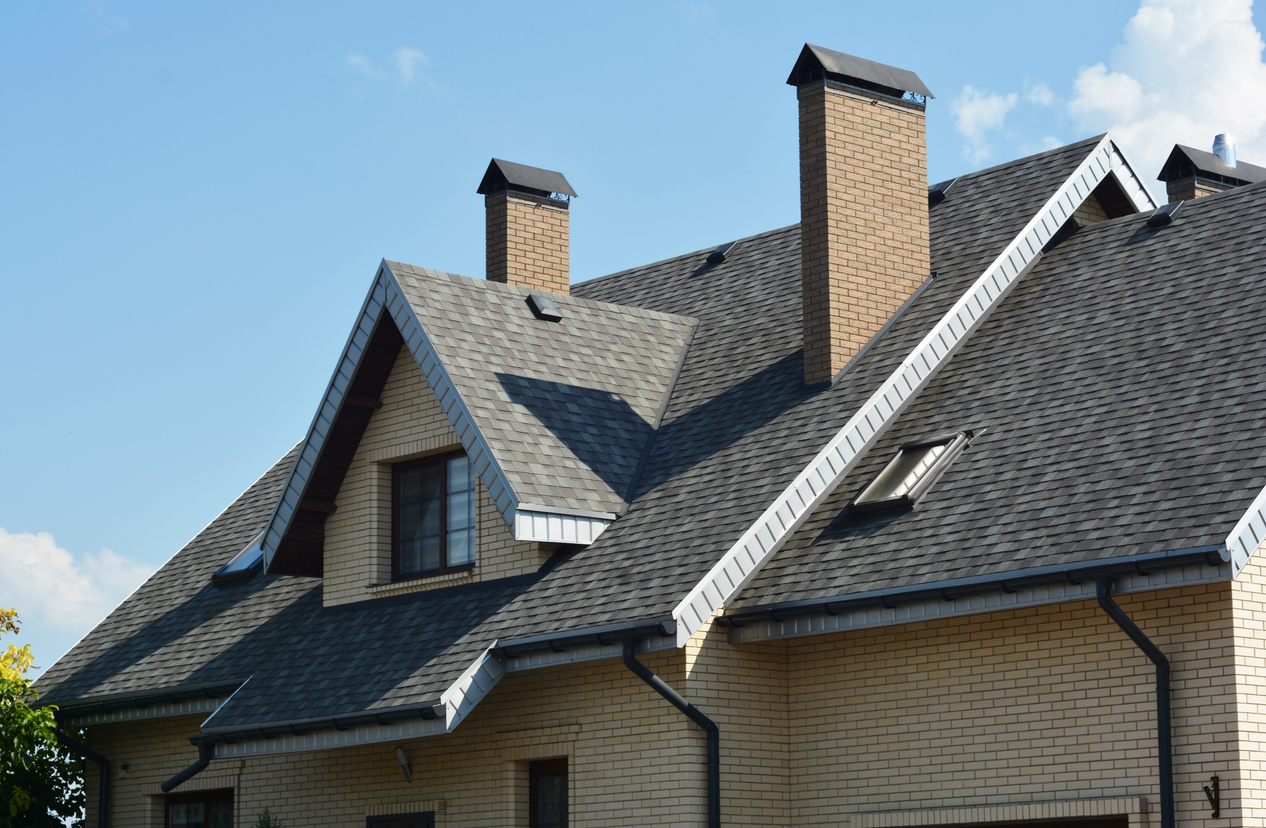



If you own a home in Tampa Bay—you’ve probably heard your roofer or inspector mention roof ventilation. But what exactly does it do, and why is it so critical for Florida homes? More importantly, what happens if your vents get blocked, covered, or simply aren’t doing their job?
In this post, we’ll explore the purpose of roof ventilation in Florida’s hot, humid climate and the potential problems blocked or poorly designed vents can cause. Whether you’re installing a new roof, dealing with rising energy bills, or noticing signs of mold, this is a must-read.
What Is Roof Ventilation?
Roof ventilation is the system that allows your attic and roof cavity to “breathe.” It typically includes:
- Intake vents (often located under the eaves or soffits)
- Exhaust vents (like ridge vents, gable vents, or turbine vents)
Together, these vents form a continuous airflow that pushes hot, humid air out of your attic and draws cooler air in.
Why Florida Homes Need Ventilation More Than Ever
Florida’s climate presents a unique set of challenges that make roof ventilation a critical component of every home:
- Extreme heat: Roof surfaces can reach 150–160°F in summer, and without proper ventilation, that heat radiates into the attic—and into your home.
- High humidity: Moisture buildup in the attic can lead to mold, mildew, and wood rot.
- Hurricane conditions: Properly vented roofs allow for controlled pressure changes during storms, helping reduce structural strain.
Without ventilation, the heat and moisture trapped under your roof can cause both comfort issues and structural damage.
What Happens When Roof Vents Are Blocked or Missing?
Even if you have vents, they might not be functioning. Blockages from insulation, bird nests, debris, or paint can reduce airflow and negate the benefits of ventilation. Here’s what can go wrong:
1. Increased Energy Bills
Hot attic air forces your HVAC system to work harder, especially during Florida summers. Without ventilation, cooling costs can skyrocket.
2. Mold and Moisture Problems
Poor ventilation traps humidity, particularly during our rainy season. This moisture can condense on roof decking or attic insulation, creating a breeding ground for mold and mildew.
3. Shortened Roof Lifespan
Trapped heat accelerates shingle aging, causing them to curl, blister, or lose granules. A poorly ventilated roof might fail 5–10 years earlier than expected.
4. Ice Dams (in rare cold snaps)
In Florida’s northern regions, improper ventilation can cause uneven roof temperatures during rare winter storms, leading to ice dams and leaks.
5. Structural Damage
Moisture-laden air can rot the plywood sheathing, compromise truss systems, and lead to sagging rooflines.
Signs Your Roof Ventilation May Be Failing
- Hot attic or second floor despite air conditioning
- Musty odors or mold growth in attic or closets
- Peeling paint or warped wood in upper areas of your home
- Visible condensation or water stains in the attic
- Rapid shingle wear (curling, blistering, or granule loss)
Types of Roof Vents Common in Florida
Florida homes often combine several ventilation types:
- Soffit vents (intake): Installed under the roof eaves
- Ridge vents (exhaust): Run along the roof peak
- Gable vents: Located on the gable ends of the home
- Turbine or power vents: Mechanically driven exhaust
A balanced system ensures intake and exhaust vents work together to create efficient airflow. Adding more exhaust without intake (or vice versa) creates an imbalance that reduces effectiveness.
How to Check Your Ventilation System
Here’s how Florida homeowners can do a basic inspection:
- Attic check: Is it stifling hot or humid? Can you see daylight through ridge or soffit vents?
- Visual roof check: Are vents visibly cracked, missing, or painted over?
- Airflow test: Use a smoke stick or incense to check airflow direction in attic vents.
- Check for blockages: Look inside soffits or gable vents for insulation, dirt, or animal nests.
If anything looks suspicious—or you’re unsure—it’s time to call a roofing expert.
When to Upgrade or Replace Your Roof Vents
Even if you’re not replacing your entire roof, ventilation upgrades can improve performance. Consider replacing or installing new vents when:
- You’ve experienced repeated attic mold or high energy bills
- You’re reroofing and want to extend the life of new materials
- You’re replacing HVAC systems and want to optimize attic temperature
- You’re updating your home to meet hurricane or wind mitigation standards
Wind Mitigation and Roof Vents: A Florida Bonus
Florida insurers often reward homes with upgraded roof systems, especially those meeting wind mitigation standards. Features that improve attic ventilation—like continuous ridge vents and hurricane-rated gable vents—can help you qualify for insurance premium discounts.
Ask your roofing contractor for a wind mitigation inspection to document your improvements.
Don’t Let Poor Ventilation Undermine Your Roof
Roof vents might not be the most glamorous part of your home, but in Florida, they’re essential to comfort, energy efficiency, and structural integrity. A properly ventilated roof:
- Keeps your home cooler
- Protects your roof from premature wear
- Prevents mold and moisture damage
- Lowers your insurance premiums
Whether you’re noticing symptoms of ventilation failure or just want peace of mind, a simple inspection and upgrade can save you thousands.
Need a professional ventilation check or quote on attic airflow upgrades? Contact DryFL Construction Group today for an inspection. I’ll help ensure your home stays cool, dry, and protected—no matter how hot the Florida sun gets.


