

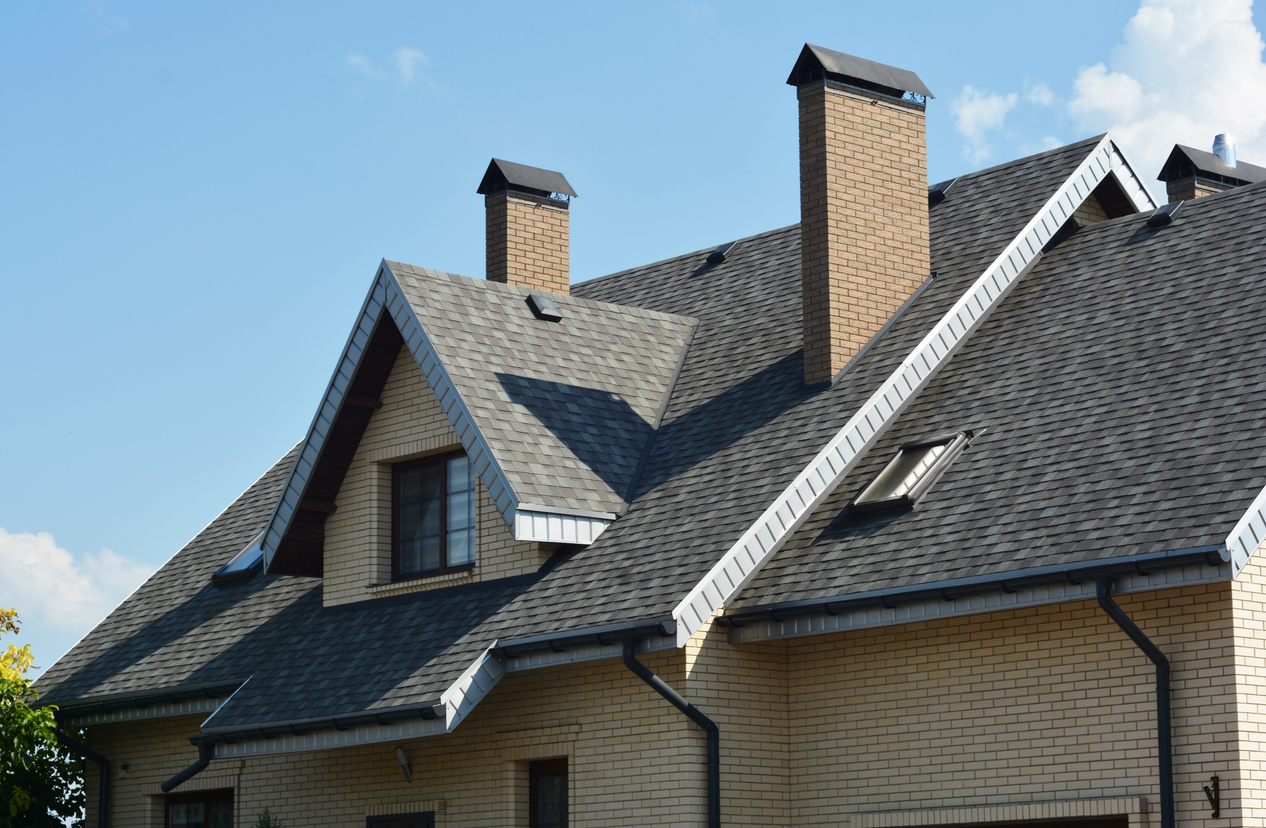



Florida summers are beautiful—but brutal on your roof. Between scorching heat, humidity, heavy rains, and sudden tropical storms, your roofing system faces a gauntlet of seasonal hazards. If you’re a homeowner in Riverview, Wimauma, Ruskin, Sun City Center, or anywhere else in the Tampa Bay region, summer is not the time to ignore roof maintenance.
To help you stay ahead of costly repairs and protect your home through hurricane season, we’ve built the ultimate summer roof repair checklist. This guide covers everything from visual inspections to ventilation checks, all backed by recommendations from major roofing manufacturers like GAF and Owens Corning, and weather insights from the National Weather Service.
Why Summer Roof Maintenance Matters in Florida
Florida’s summer brings:
- Daily thunderstorms and tropical systems
- High UV exposure (UV index 9–11 most days)
- Relentless humidity
- Sudden high winds and downpours
Each of these elements can stress your roofing system. Without regular maintenance, small issues—like lifted shingles, clogged gutters, or poor attic ventilation—can escalate into major leaks, mold growth, or structural damage.
According to Owens Corning, preventive roof care can extend your roof’s lifespan by up to 30%, especially in extreme climates.
Your 10-Point Summer Roof Maintenance Checklist
Here’s what you or your trusted roofing expert should inspect and address this summer:
1. Inspect for Missing or Damaged Shingles
What to look for:
- Curling, cracking, or lifting shingles
- Bare spots where granules are missing
- Any loose or sliding tiles on tile roofs
Why it matters:
Missing shingles expose the underlayment to UV damage and water intrusion. On flat roofs, look for blistering or ponding areas.
What to do:
Have a professional replace any damaged materials with matching components. If you have widespread wear, it may be time to consider a replacement.
2. Check Flashing Around Penetrations and Edges
What to look for:
- Rusted, corroded, or cracked flashing
- Gaps around chimneys, skylights, and vent pipes
Why it matters:
Flashing failure is a top cause of roof leaks in Florida homes, especially during summer storms.
What to do:
Ensure flashing is sealed and properly aligned. Replace damaged sections immediately and reseal with roofing-grade caulk or bitumen.
3. Clean and Inspect Gutters and Downspouts
What to look for:
- Debris buildup (leaves, twigs, moss)
- Sagging or disconnected gutter sections
- Signs of water pooling at the foundation
Why it matters:
Blocked gutters cause water to overflow onto your fascia, underlayment, and siding. In heavy Florida rains, this can rapidly lead to roof and foundation issues.
What to do:
Clean gutters thoroughly. Consider installing gutter guards to reduce debris and maintenance frequency.
4. Look for Signs of Mold, Mildew, or Algae
What to look for:
- Green or black streaks on shingles
- Musty odors in the attic
- Soft spots in the decking (from the attic side)
Why it matters:
Algae and moss trap moisture, accelerating shingle decay. Mold and mildew in the attic can signal poor ventilation or hidden leaks.
What to do:
Clean the roof with a gentle, manufacturer-approved solution. Never pressure wash shingles—this voids many warranties. Improve ventilation and moisture control.
5. Inspect Soffits and Fascia Boards
What to look for:
- Rot, warping, or peeling paint
- Pest or animal intrusion (holes, nests)
- Discoloration or water stains
Why it matters:
These roof edge components protect the internal structure. Soft or rotting wood may indicate deeper water damage.
What to do:
Replace compromised boards and seal exposed areas. Make sure gutters and roof runoff aren’t contributing to the problem.
6. Check Your Roof Vents and Attic Ventilation
What to look for:
- Blocked ridge or soffit vents
- Damaged turbine or box vents
- Signs of heat buildup (e.g., excessive attic temps)
Why it matters:
According to GAF, proper ventilation is essential in Florida. Without it, attic temperatures can soar above 140°F—leading to moisture problems, shingle damage, and increased energy bills.
What to do:
Ensure vents are clean and unobstructed. Install new exhaust fans or intake vents if necessary.
7. Examine Roof Valleys and Drainage Paths
What to look for:
- Debris collecting in valleys
- Cracked or worn valley flashing
- Water pooling during or after rain
Why it matters:
Valleys collect the most rainwater. If they’re blocked or improperly sealed, leaks are almost guaranteed.
What to do:
Keep valleys clean and clear. Replace deteriorated valley flashing or underlayment.
8. Secure or Replace Loose Fasteners and Roof Accessories
What to look for:
- Lifted nails or fasteners
- Wobbly solar panel brackets or satellite dishes
- Loose skylight seals
Why it matters:
Loose hardware becomes a major wind hazard during summer storms, leading to torn shingles or broken tiles.
What to do:
Have a roofing professional tighten, reseal, or remove any loose roof components.
9. Inspect Interior Ceilings and Attic for Water Damage
What to look for:
- Yellow or brown stains
- Peeling paint or wallpaper
- Damp insulation or dripping water
Why it matters:
Interior signs of damage often show up long after a leak has started. Summer storms can quickly exacerbate small roof leaks.
What to do:
If you see any of these signs, schedule a professional inspection immediately—before the next storm makes it worse.
10. Review Your Roof Warranty and Insurance Coverage
What to look for:
- Active manufacturer and labor warranties
- What storm damage is covered under your policy
- Deductible and claims requirements
Why it matters:
Florida homeowners are legally required to take reasonable steps to mitigate storm damage. Knowing what’s covered—and when to call your insurer—can save you thousands.
What to do:
Keep digital and printed copies of your roof paperwork and document any damage or repairs with photos.
Should You Schedule a Summer Roof Inspection?
Yes—especially in Florida.
Why now?
- Summer is storm season. You need your roof in top shape before the next downpour or tropical system.
- Roofing contractors are busiest after storms. Beat the rush by scheduling proactive inspections now.
- Early detection saves money. Minor repairs now prevent major costs later.
Most reputable Florida roofing professionals (like GAF Master Elite contractors) offer free or low-cost summer inspections and will help document findings for insurance or warranties.
Don’t Let Minor Damage Get Worse
Florida summer weather is no joke—and neither is roof maintenance. Whether you’ve just moved in, you’re prepping for hurricane season, or your roof is nearing the end of its lifespan, this is the season to take action.
Every storm you wait risks:
- More leaks
- Higher insurance deductibles
- Voided warranties
- Costlier repairs
Don’t wait until the damage is visible.
Contact DryFL Construction Group today to schedule your summer roof inspection and get peace of mind before the next storm rolls in.
Sources:
- GAF Roofing Systems – gaf.com
- Owens Corning Roofing – owenscorning.com
- National Weather Service Tampa Bay – weather.gov/tbw
- Florida Building Code – floridabuilding.org
- Insurance Information Institute – iii.org


