

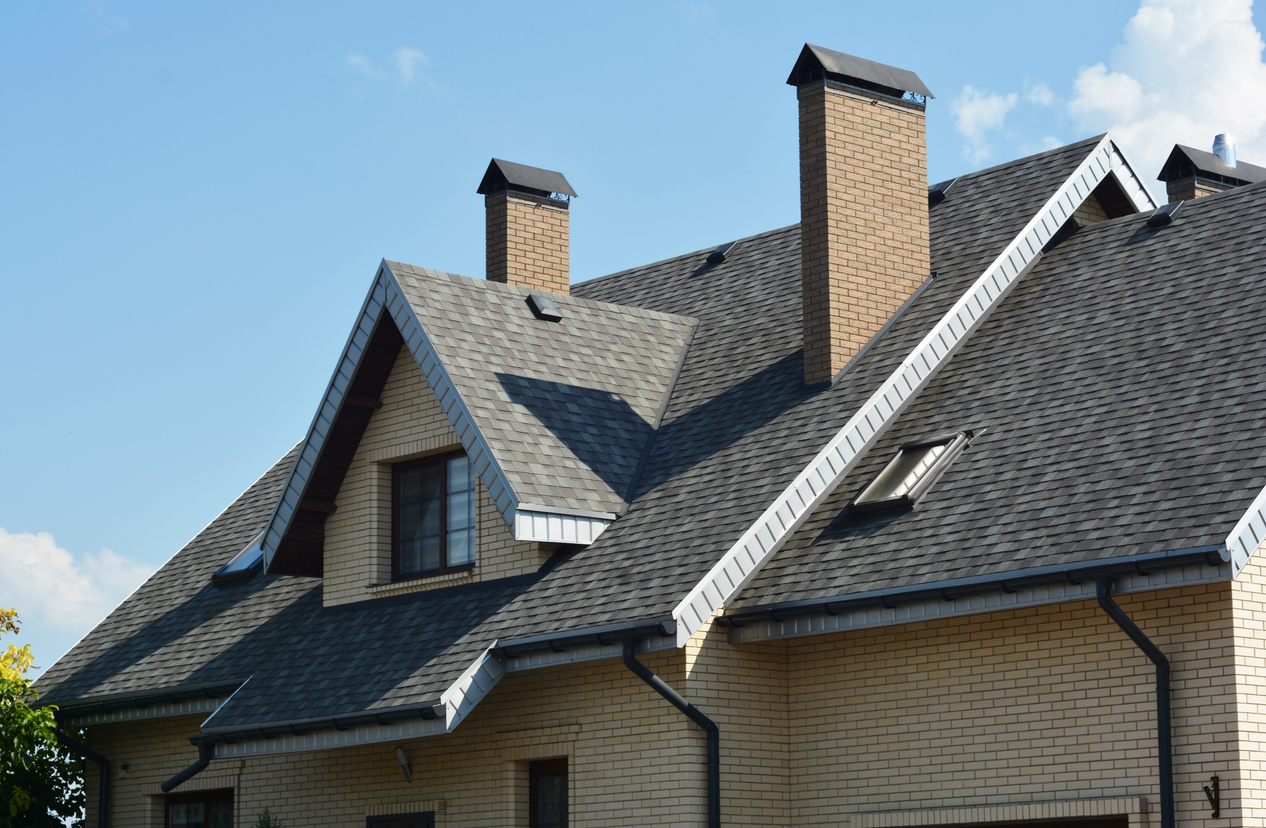




Living in the Tampa Bay area—including Riverview, Wimauma, Ruskin, and Sun City Center—means preparing for frequent severe weather, including tropical storms and hurricanes. These storms often bring strong winds, heavy rain, and flying debris, putting residential roofs at significant risk of damage.
Whether it’s missing shingles, punctures, leaks, or structural impacts, knowing what to do immediately after a storm hits can prevent further damage, simplify insurance claims, and protect your family and property.
As your trusted local roofing consultant, I’ll walk you through the first critical steps homeowners should take after a major storm damages their roof.
Step 1: Ensure Personal Safety First
Before anything else, prioritize safety. After a storm passes:
- Stay indoors until authorities confirm it’s safe.
- Avoid stepping on your roof or inspecting it directly, especially if it may be unstable or wet.
- Watch for downed power lines, loose debris, or structural hazards.
If your roof is severely compromised and the structure appears unstable, evacuate the home until professionals can assess it.
Step 2: Do a Preliminary Visual Inspection from the Ground
Once it’s safe, conduct a visual inspection from the ground:
- Look for missing shingles, bent or torn flashing, sagging roof lines, or visible holes.
- Examine your yard and gutters for roof debris, such as shingles or tiles.
- Check your attic or upper ceilings for leaks, water stains, or visible sunlight penetrating the roof.
Use binoculars to get a closer look without climbing on the roof. Photograph anything that appears damaged for documentation.
Step 3: Document the Damage Thoroughly
Documentation is essential for both insurance claims and ensuring proper repairs. Take clear photos and videos of:
- Exterior damage (missing shingles, cracked tiles, visible holes)
- Interior damage (leaks, wet insulation, ceiling stains)
- Debris in your yard that may have come from your roof
Organize this documentation by date and label each image clearly. This will help support your claim and speed up the repair process.
Step 4: Prevent Further Damage
You are required under most homeowners’ insurance policies to mitigate further damage after an incident. This includes:
- Using tarps or heavy-duty plastic sheeting to cover exposed areas of your roof.
- Removing soaked insulation or drywall to prevent mold if water is leaking indoors.
- Placing buckets or containers under leaks and moving furniture or electronics away from water-damaged areas.
These steps can prevent more extensive—and expensive—repairs. Just remember to document these actions for your insurance claim.
Step 5: Contact Your Homeowners Insurance Provider
As soon as you’ve documented the damage and taken initial mitigation steps, contact your insurance provider to:
- File a claim and initiate the claims process.
- Schedule an insurance adjuster visit.
- Ask what documentation they require and how to submit it.
Be prepared with your photos, videos, repair receipts (if applicable), and any notes you’ve made during your preliminary inspection
.
Step 6: Schedule a Professional Roof Inspection
Contact a trusted local roofing consultant or specialist for a professional roof inspection. An expert will:
- Perform a detailed evaluation of the full roofing system.
- Identify hidden issues that may not be visible from the ground.
- Provide an inspection report, including repair recommendations and cost estimates.
This professional assessment will give you more leverage when working with your insurance company and help prevent future issues from undetected damage.
Step 7: Avoid Storm Chasers and Unlicensed Contractors
Unfortunately, major storms often attract out-of-town or unlicensed contractors, also known as “storm chasers.” These companies:
- Often lack proper licensing and insurance.
- May pressure homeowners into signing contracts quickly.
- Use inferior materials or rushed installations that can void your roof warranty or insurance coverage.
Instead, work only with licensed, insured, and locally trusted professionals who understand Florida’s specific building codes, storm risks, and material needs.
Step 8: Understand Your Roof Warranty and Insurance Coverage
Review your roofing warranty and homeowners insurance policy to understand:
- What is covered and what exclusions may apply.
- Whether your roofing materials carry wind or impact resistance ratings.
- If you qualify for a full roof replacement or just partial repairs.
In Florida, many homeowners qualify for roof replacement after storm damage, especially if they’ve maintained their roof well and the damage is extensive.
Step 9: Schedule Repairs Promptly
Delaying roof repairs puts your home at increased risk of:
- Interior water damage
- Mold growth
- Structural rot
- Insurance claim denial for lack of mitigation
Once your claim is approved, schedule repairs as soon as possible with a trusted contractor who uses premium materials and adheres to Florida’s stringent hurricane-resistance codes.
Step 10: Plan for Future Storms
After your repairs are complete, take additional steps to prevent future storm damage:
- Install impact-resistant shingles or metal roofing.
- Upgrade flashing and roof underlayment.
- Schedule biannual inspections to identify wear or damage.
- Keep gutters clean and trees trimmed to reduce impact risks.
These proactive measures can reduce future repair costs and help qualify you for home insurance discounts.
Protect Your Home Before the Next Storm Hits
Every moment after a storm counts. Tampa Bay’s storm season is unpredictable, and acting quickly after roof damage helps prevent further losses, secures insurance benefits, and ensures your family’s safety.
As your dedicated roofing expert serving Riverview, Wimauma, Ruskin, and Sun City Center, I’m committed to premium materials, reliable service, and helping homeowners navigate storm recovery with confidence.
Contact DryFL Construction Group today to schedule a professional roof inspection, get help filing your insurance claim, or discuss storm-resistant upgrades to better protect your home in the future. Don’t wait until the next storm to take action—start protecting your roof today.


