


Hurricane-Damaged Roof Repair in Tampa, Florida
After the Hurricane, Recovery Starts at the Roof
Hurricane-Damaged Roof Repair Backed by 30+ Years of Florida Experience
Hurricane-damaged roof repair stops water intrusion and restores protection after a storm, with fast response and thorough documentation. DryFL Construction Group provides hurricane damage roofing services across the Greater Tampa Bay area.
Get a Free Roof Inspection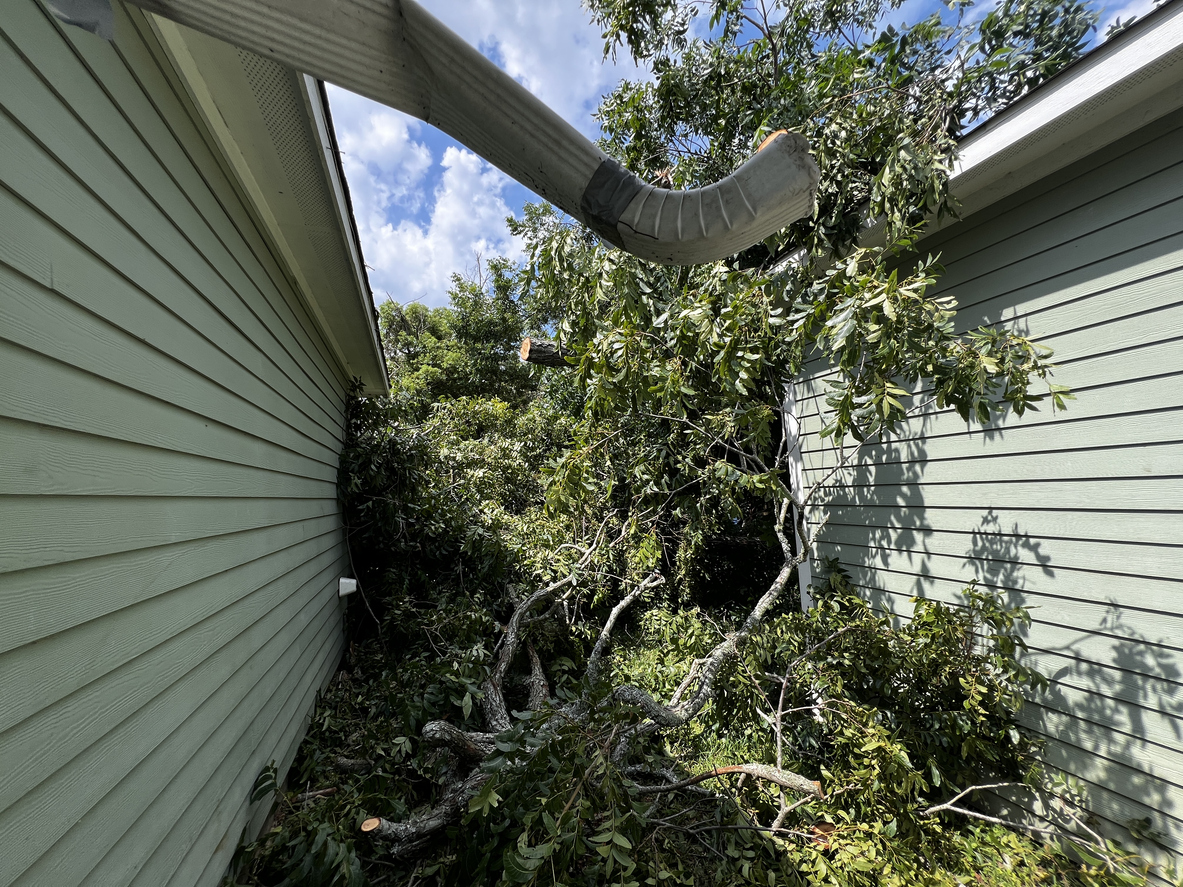
Why Choose DryFL for Hurricane-Damaged Roof Repair?
Hurricanes and tropical storms are a fact of life on the Florida Gulf Coast, and the damage they leave on a roof can range from obvious to hidden. DryFL Construction Group provides post-hurricane roof repair for homes and businesses throughout Tampa, St. Petersburg, Sarasota, Venice, Sun City, and their surrounding areas.
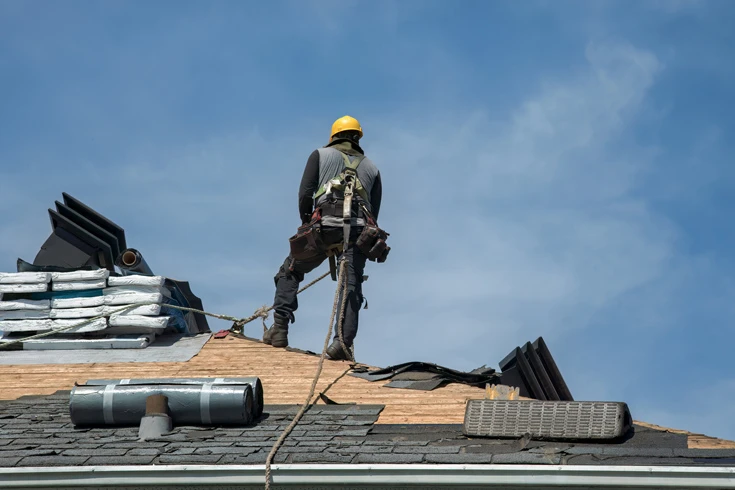
As an experienced, licensed, and insured contractor with more than 30 years of combined experience, we provide residential hurricane roof repair and commercial hurricane roof repair, from emergency hurricane roof repair and tarping to full hurricane roof restoration. We respond quickly and document everything to support your insurance claim.
Our crews have repaired and restored roofs after hurricanes across the Tampa Bay area, from emergency tarping to full restoration on homes and commercial buildings.
Our Hurricane-Damaged Roof Repair Services in Detail
After a hurricane, we move quickly to provide emergency protection, such as tarping and water diversion, then perform a thorough inspection to identify both visible and hidden damage. High winds can lift shingles, displace tile and metal, tear flashing, and drive water under the roof surface, so a careful assessment is essential before repairs begin.
We then complete hurricane storm roof repair or, where the damage is extensive, hurricane roof replacement, all of which is documented to support your claim. Our goal is to restore protection quickly and correctly so that a hurricane does not turn into long-term water damage.
A little Florida context helps you plan. Hurricanes are rated on the Saffir-Simpson scale from Category 1, at 74 to 95 miles per hour, up to Category 5 at 157 or more, and new roofs in the Tampa Bay wind zone are installed to Florida Building Code wind requirements.
As a general guide, quality architectural shingles are rated around 110 to 130 miles per hour, metal roofs around 140, and tile up to roughly 150 when properly installed, while an aged or already-damaged roof can fail at far lower speeds.
Most Florida policies also carry a separate hurricane or named-storm deductible, usually a percentage of your insured value rather than a flat amount, and a wind mitigation inspection after a re-roof can document features that qualify you for premium credits.
Our Hurricane-Damaged Roof Repair Process
1
STABILIZATION
We respond quickly with tarping and water diversion to stop active leaks after the storm.
2
INSPECTION
We perform a thorough inspection for visible and hidden damage and document it for your insurance claim.
3
SOLUTION
We present a clear plan for repair or replacement and coordinate with your insurer as needed.
4
RESTORATION
We complete the repair or replacement, protecting your property and leaving the site clean, then our quality assurance team conducts a final inspection to confirm the roof is watertight and your property is restored to your satisfaction.


30+
Years of Experience
Hurricane Damage? Protect Your Home Now.
After a hurricane, fast action prevents a damaged roof from becoming a flooded home. DryFL Construction Group provides emergency hurricane-damaged roof repair services and full restoration. Call us when you experience hurricane damage, and you can always count on us to respond as quickly as possible and treat your storm damage as if it were our own.
Hurricane-Damaged Roof Repair FAQs
What are the most common types of hurricane roof damage homeowners experience?
Hurricanes commonly cause lifted or missing shingles, displaced tile and metal panels, torn or lifted flashing, punctures from flying debris, and water intrusion driven under the roof by high winds. Some of this damage is obvious, and some is hidden until it leaks.
What should I do immediately after discovering hurricane damage to my roof?
Make sure everyone is safe and stay clear of damaged areas, contain interior water where it is safe, and photograph the damage. Then call for emergency hurricane roof repair to limit further loss. You have a duty to mitigate damages under your insurance contract. Our emergency response service will not only protect your home but will also protect your pending insurance claim.
How soon should a hurricane-damaged roof be repaired to prevent further issues?
As soon as possible. Even temporary protection within the first day or two dramatically reduces water damage, and a prompt inspection identifies hidden damage before it spreads. Waiting allows a manageable repair to grow into a major one.
Can temporary roof repairs be done after a hurricane while waiting for full restoration?
Yes. Tarping, edge sealing, and water diversion stabilize the roof and stop active leaks while a full hurricane roof restoration is planned and any insurance claim is reviewed. Temporary protection is often the most important first step.
How long does the hurricane roof repair timeline usually take from inspection to completion?
It depends on the extent of damage, the availability of materials, and any insurance process. Minor repairs may take a few days, while a full hurricane roof replacement takes longer once materials are sourced and permits are issued. We provide a clear timeline after inspection.
How can I prevent additional roof damage after a hurricane passes?
Get temporary protection in place quickly, keep gutters and drains clear, address any active leaks, and schedule a professional inspection. Prompt action and documentation prevent both further structural damage and complications with your claim.
What signs indicate hidden roof damage after a hurricane or tropical storm?
Watch for new interior stains, damp insulation, granules in gutters, lifted or creased shingles, and displaced flashing. Because wind-driven water can travel before it shows up, a professional inspection is the only reliable way to find hidden damage.
Will Insurance cover the payment for Hurricane-Damaged Roof Repair services?
Hurricane damage is often covered, but it depends on your policy and any windstorm or hurricane deductible. We document the damage and likely cause to support your claim, while coverage decisions and payouts are determined by your insurer.
What factors affect the cost of hurricane-damaged roof repair?
Cost depends on the extent of the damage, the roof system, the materials needed, whether repair or replacement is required, and the level of access. The most accurate way to know is a prompt inspection, after which we provide a clear estimate.
Which payment options do you offer for Hurricane-Damaged Roof Repair services?
We offer flexible payment options, including financing, and we work alongside approved insurance claims, including any deductible portion. We will review the options with you.
How does a hurricane deductible work in Florida?
Most Florida policies carry a separate hurricane or named-storm deductible that applies when a named storm causes damage. It is usually a percentage of your home’s insured value, often somewhere between 2 and 5 percent, rather than a flat dollar amount, so it can be larger than your standard deductible. We help you understand how it applies once the damage is documented.
Can a wind mitigation inspection lower my insurance after a re-roof?
It can. A wind mitigation inspection documents features like your roof covering, deck attachment, roof-to-wall connections, and secondary water barrier, and those features can qualify you for insurance premium credits. When we re-roof or repair, we build in the features that help capture those credits where possible.
What is Florida’s 25 percent roof rule?
Florida’s 25 percent rule can require an older roof to be brought up to current code if more than a quarter of it is repaired or replaced within a year. Roofs built or replaced to the 2007 Florida Building Code or later can often be repaired instead, so whether the rule triggers a full replacement depends on your roof’s age and condition, which we assess during the inspection.
We’re Here When You Need Us
Whether you’re dealing with storm damage, leaks, or an aging roof, our team is ready to help. Schedule a free inspection to receive our expert guidance today.

Our Address
2901 Fifth Avenue North, Suite 105, St. Petersburg, Florida 33713

Contact Us

Working hours
Mon to Sun 9am – 6pm