




When it’s time for homeowners to select the right roofing material for their Florida homes, there are a variety of options to consider. Each roofing material type comes with its own set of benefits and drawbacks, so it’s important to do research and weigh your options carefully.
In this article, we’ll compare the five most popular roofing materials for residential roofs. This article will help you make the right decision when it’s time to put a new roof on your home.
1. Asphalt Shingles
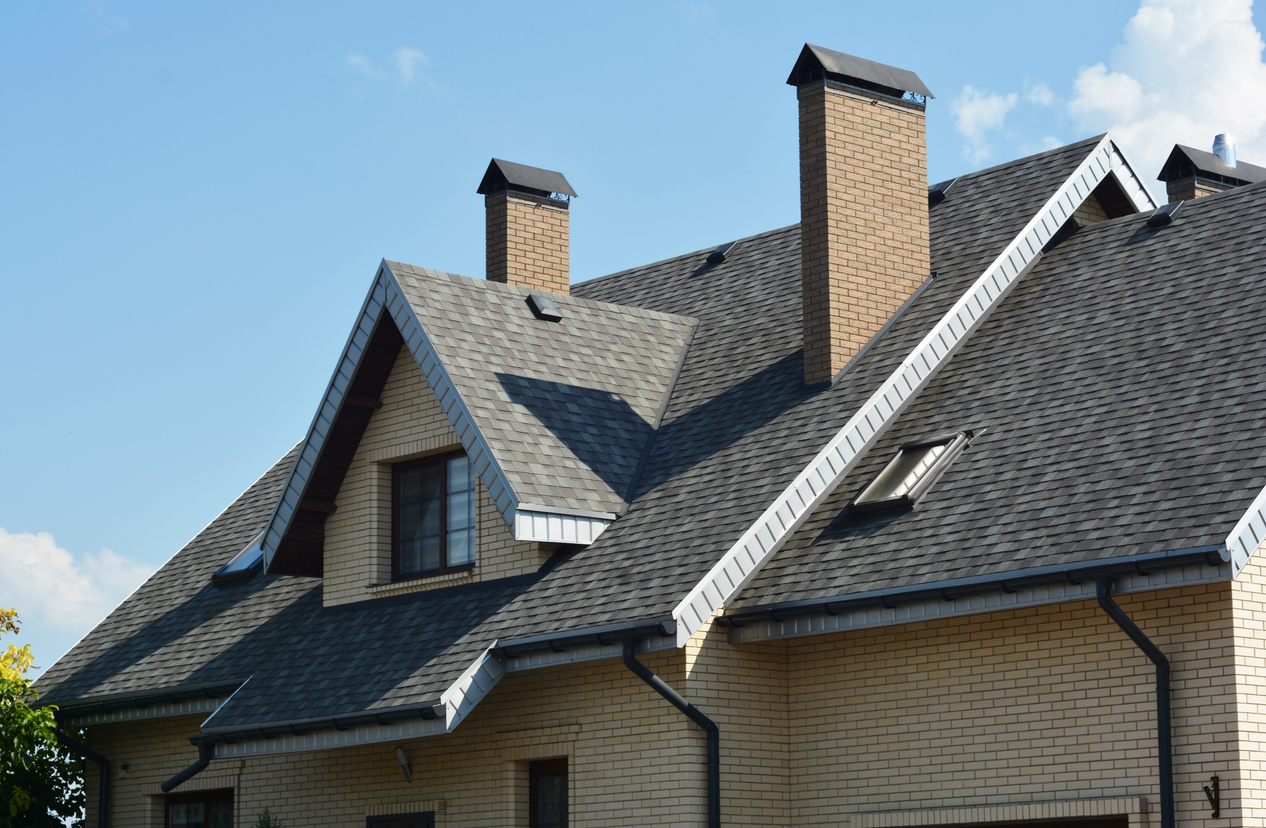
Shingles are the most used roofing material for homes in Florida. Asphalt shingles are affordable, versatile, and available in a variety of colors and styles. The variety of shingle options is a major factor in why they’re preferred among Florida homeowners.
Pros:
Budget-Friendly: Asphalt shingles are one of the most cost-effective roofing options available.
- Roof shingles are available in a variety of styles and brands, meaning the price will vary depending on what you choose.
- Remember this when picking out the shingles for your home, and ask your roofing contractor if you have any questions.
Easy Installation: Asphalt shingles are quick and simple to install, leading to reduced labor costs.
- Most shingle installations will only take 1-2 days, but it depends on the size and complexity of your roof.
Variety: Asphalt shingles come in various colors and styles, giving homeowners plenty of options.
- Different brands of shingles have different wind ratings; your location and budget will help determine the best shingle for your home.
- Ask your roofing contractor for more information.
Suitable for Warm Climates: Asphalt shingles are durable in the heat, making them ideal for Florida’s hot weather.
Cons:
Shortest Lifespan: Florida shingles typically last 15-30 years, much shorter than metal or tile roofing systems.
Susceptible to Wind Damage: Florida’s storms and hurricanes can sometimes damage asphalt shingles, especially if your roofer didn’t correctly install the shingles.
2. Metal
Metal roofs, made from steel, aluminum, or copper, are popular in Florida due to their durability and energy efficiency.
Pros:
Longevity: Metal roofs can last up to 50 years or more with proper maintenance.
- This varies depending on the location and proximity of your home to salt water.
- Salt water will cause your metal roof to rust faster than it should; if you live near the ocean, you should consider a metal roof made from aluminum to guarantee its intended lifespan.
Energy-Efficient: Metal roofing systems will reflect sunlight; this will help to reduce cooling costs in Florida’s intense climate.
Wind-Resistant: Metal roofs have a wind rating ranging from 140mph to 180 mph depending on the installation method and type of metal used, making them perfect for Florida’s hurricane season.
Low Maintenance: Metal roofs require minimal maintenance, saving you time and money in the long run.
- Rust-resistant metal types are also available for homeowners who live near salt water. Aluminum will guarantee the longevity of your metal roofing system, but it is more expensive.
- Ask your roofing contractor for more information.
Cons:
Higher Initial Cost: While metal roofs are a long-term investment, they tend to have a higher upfront cost compared to asphalt shingles.
- This is due to the price of materials and installation; installing a metal roofing system is more challenging than standard asphalt shingles.
Noise: Metal roofs are noisier than other roofing materials, especially during heavy rain or hail.
- Some homeowners don’t mind the extra noise, but it’s something you should be aware of.
Denting: Depending on the type of metal used, hail or wind-driven debris may cause denting.
- This rarely occurs, but it does contact your local roofer for repairs, especially if you notice a lot of denting in multiple areas or on different slopes of your roof.
3. Clay Roof Tiles
Growing in popularity among Florida residents, clay roof tiles provide a distinctive, elegant look to your home while keeping you protected from the Florida weather.
Pros:
Curb-Appeal: Tile roofs provide a classic and visually appealing design, increasing your home’s curb appeal.
- Check HOA guidelines to see if the roof tiles you chose are allowed in your neighborhood.
Durability: Tile roofs are extremely durable and highly resistant to the heat of the Florida Sun.
- Tile roofing systems can last up to 50 years or more with proper maintenance.
- Contact your roofer regarding the specific strength and wind rating of the clay roof tiles you want.
Energy-Efficient: Similar to metal roofs, clay and concrete roof tiles are very good at reflecting sunlight, meaning your tile roof will absorb less heat.
- This will help keep your home’s temperature low, reducing cooling costs, especially during summertime in Florida, when temperatures can easily exceed 100 degrees.
Fire-Resistant: Clay and concrete roof tiles offer an extra line of defense protecting your home due to being naturally fire-resistant.
Cons:
Cost: Clay and concrete tile roofs are among the costliest roofing options due to the materials and labor involved in installation.
- Due to their weight, installation will often cost more and take longer than a standard asphalt shingle installation.
Weight: Clay and concrete tile roofs are heavier than other roofing materials and may require structural reinforcement to support the weight.
- This isn’t a common occurrence, but discussing your options with your roofer may be necessary.
- Additionally, the weight of the tiles will make installation more difficult, so factor in an additional cost for labor.
Breakable: While the overall roofing system is highly durable, individual roof tiles can be very fragile.
- Cracking or breaking if they are walked on or struck by wind-driven debris.
- Be careful during routine maintenance so you don’t unknowingly damage any tiles.
4. Synthetic Roofing
With increased durability, synthetic roofs are designed to mimic the look of more expensive roofing materials.
Pros:
Durable: Synthetic roofing can withstand harsh weather conditions and is resistant to cracking and fading.
Lightweight: Synthetic materials are much lighter than tile and wood, reducing strain on your home’s structure.
Low Maintenance: Synthetic roofs require minimal upkeep and can last for decades.
Cons:
Cost: While synthetic roofing is generally more affordable than tile or slate, prices can vary depending on the material and installation.
Newer Option: Synthetic roofing is a relatively new material that may not be as widely used or available in certain areas.
Which Roofing Material is Right for You?
Ultimately, the best roofing material for your Florida home depends on your budget, aesthetic preferences, and long-term goals. Whether you prioritize durability, aesthetics, or energy efficiency, each material offers distinct advantages and considerations.
Need help making the right choice for your roof? Our expert roofers are here to guide you through the process, ensuring your home stays protected for years.
Expert Roofing Solutions for Riverview Homes
Your roof is your home’s first line of defense—keep it strong and secure with DryFL Construction Group. If you live in Riverview and suspect you may have roof damage or simply want peace of mind, schedule a free roof inspection today. From roof installations in Riverview to repairs and maintenance, we’ve got the expertise to handle it all.
Our team will carefully assess your roof, identify any issues, and provide a clear, detailed report with an estimate for any necessary services. Whether it’s a minor repair or a full replacement, if you live in the Riverview area we’re here to help.
Don’t let roof problems go unnoticed. Trust DryFL Construction Group, to find a reliable roofer in Riverview, for all your roofing needs. Contact us now to protect your home!


