

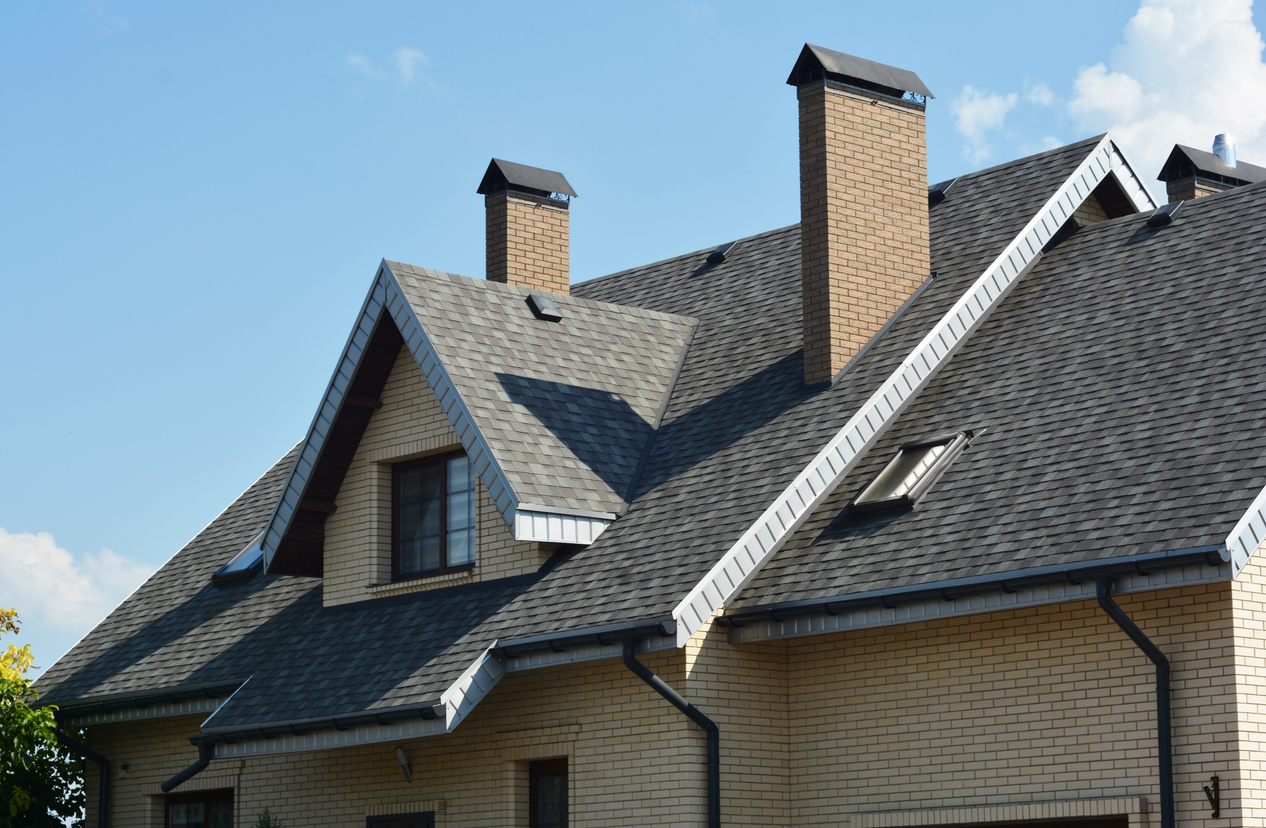




Living in Florida, your roof is your home’s MVP, shielding you from rain and wind. But when the wind gets rough, it can seriously impact your roof’s defenses. Especially, during Florida’s intense hurricane season. A little knowledge goes a long way in keeping your residential roof strong and your family safe.
In this guide, we’ll break down:
- How Florida’s wind can damage your roof
- Easy-to-spot signs of residential roof damage
- What your insurance might cover
Let’s get started—your roof deserves some TLC!
How Florida Winds Can Damage Your Home’s Roof
Depending on its speed, wind can quickly transform from a harmless breeze into a destructive force. Seriously damaging the standard residential roofing system. Homeowners should be prepared and not underestimate the damage Florida winds can cause to their homes.
Here’s what can happen to a residential roof at various wind speeds:
Light Breezes (up to 10 mph):
- Low wind speeds might feel nice during Florida summers, but even low wind speeds can loosen shingles, creating weak spots in your roof over time.
Moderate Winds (10-30 mph):
- During moderate wind speeds, loose shingles will start to lift.
- This slight but continuous lifting of loose or improperly installed shingles will begin to wear on your home’s flashing.
- The flashing will loosen, increasing the chance of leaks around chimneys, vents, or skylights.
High Winds (30-50 mph):
- When wind speeds reach this high, shingles can begin to tear or fly off completely.
- Leaving the underlayment of your residential roofing system exposed to the elements.
- Additionally, nails can become loose or will be ripped out entirely. The loss of these roofing nails will weaken the roof’s structure and cause more shingles to be torn off.
Severe Winds (50+ mph):
- Severe wind speeds can be catastrophic to any residential roof. These speeds could cause entire sections of the roofing system to be torn off.
- The decking making up the residential roofing system can experience severe damage at these speeds, affecting structural stability and putting your entire home and family at risk.
5 Signs of Wind Damage
If you leave even minor damage unresolved, it can lead to expensive roof repairs down the road. Know what to look for when conducting a roof inspection.
Catch these warning signs early to save yourself from paying a roofing contractor later:
1. Missing or Torn Shingles
If you notice exposed areas in your residential roof or shingles on the ground, your roofing system may need immediate attention.
Remember that even slightly damaged areas or a few missing shingles can lead to leaks that, if left untreated, can cause structural or interior damage.
2. Mangled or Bent Flashing
Flashing that’s bent, loose, or missing could allow water to seep into the interior of your home.
Routinely check the flashing around the chimney, vents, or skylights to ensure all sealants are intact.
These areas are prone to leak after experiencing high wind speeds. If you have water damage but cannot locate it, immediately contact your local roofing company.
3. Misshapen or Dented Gutters
Living in Florida, wind-driven debris is a genuine concern when a severe storm or hurricane hits your home, which is a common occurrence.
Loose debris flying through the air is hazardous and can smash into your home, damaging gutters.
Bent gutters no longer function as intended, allowing water to pool on your roof and increasing the deterioration rate of the roofing materials.
4. Damaged or Cracked Shingles
Conduct a thorough roof inspection to look for damaged or cracked shingles. Damaged shingles can cause weak spots in your home’s roofing system, often leading to hidden damage.
This should be resolved immediately to prevent more serious damage. Contact a local roofing company for help; they will advise you on the best course of action.
5. Loss of Granules
Granule loss indicates that your home’s shingles are old or damaged. Are you finding little sand-like granules in your gutters or around your home? If so, Contact a roofing contractor.
When the shingles of a residential roof start degranulating, they wear out faster because the asphalt underlayer is exposed to the elements.
In addition, if you notice sections of your roof sparkling in the sunlight, you see exposed fiberglass caused by granule loss. This means the shingles of your residential roof are deteriorating and need to be replaced.
Will My Insurance Company Pay For Repairs?
Good news—most Florida homeowners’ insurance will cover severe damage to your home caused by wind.
Coverage
- Most insurance policies cover roof repairs or replacements after severe wind damage. However, Florida homeowners should know the type of coverage their home has and understand the extent of damage their insurance company covers.
- This information will help you navigate the claims process and give you an idea of what’s expected of you as the homeowner.
Deductibles
- Your deductible is your out-of-pocket expense. Homeowners are responsible for paying this portion of the cost before coverage begins.
- Deductibles vary by policy; educate yourself on your deductible to know if you can cover the amount required by your insurance company.
Document Everything
- Take photos and video of any damage to your roof caused by wind damage.
- Properly document all damage to your home, the required mitigation steps taken, and any costs accrued.
- This will make the claim process much easier and less stressful since your insurance company requires most of this information before your roofing contractor can began working.
Experiencing wind damage might seem overwhelming for Florida homeowners, but your roof can bounce back with a bit of attention. Know the signs, locate the problems early, and educate yourself about what your insurance policy covers. When in doubt, call a local roofing contractor—they’ve got the tools and know-how to make your residential roof as good as new.
Your roof works hard to protect you—don’t let the Florida wind blow your home’s roof away!
Your Trusted Partner for Roofing in Riverview
A damaged roof can lead to costly repairs if left unaddressed. If you’re concerned about your roof’s condition, call DryFL Construction Group for a free inspection. We specialize in roof installations in Riverview, repairs, and replacements, ensuring your home stays safe and secure.
Our team will conduct a thorough inspection, identify any problems, and provide you with a detailed report and estimate. Whether it’s a minor fix or a major project, we’re committed to delivering exceptional services to Riverview residents.
Why take chances with your roof? Rely on DryFL Construction Group to find the top roofers in Riverview, for all your roofing needs. Reach out today and safeguard your home with expert care!


