

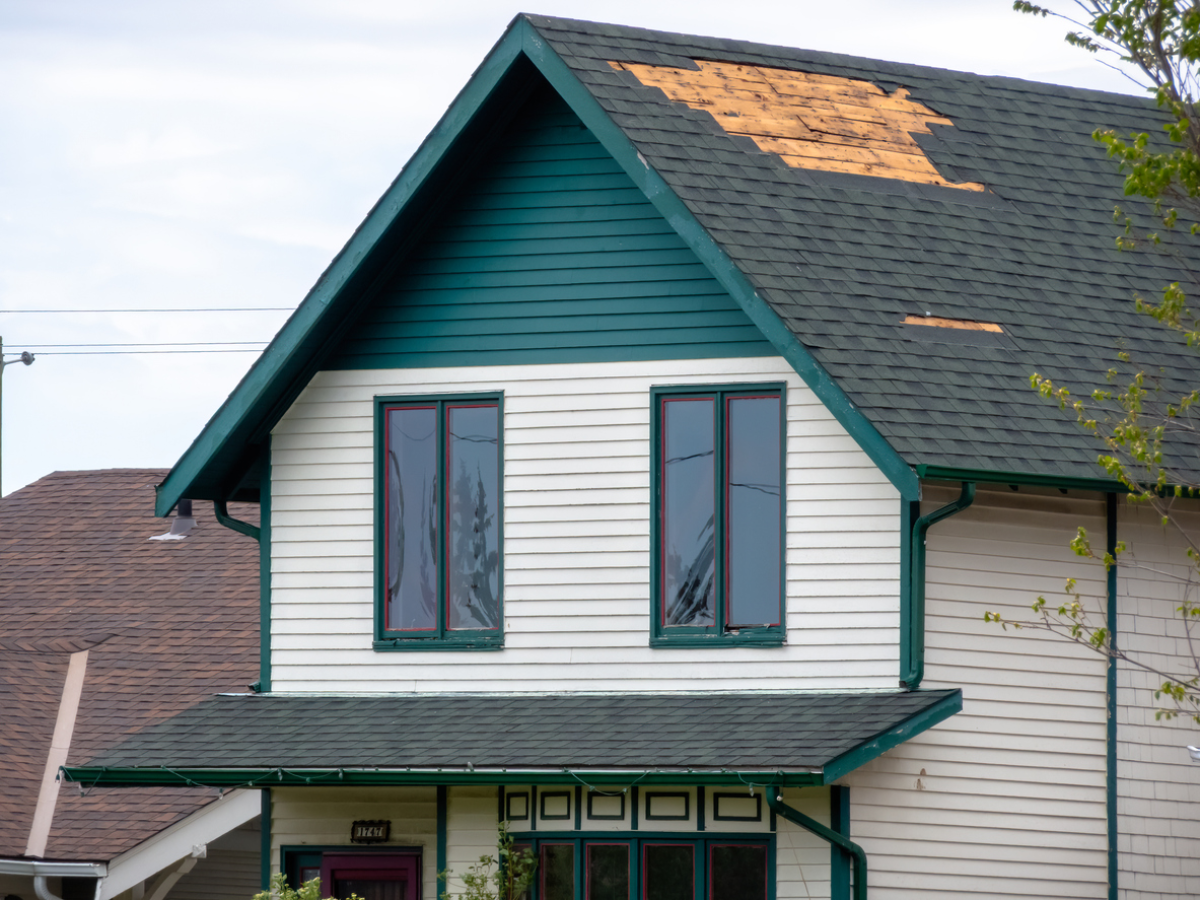




Florida homeowners tend to worry about hurricanes and forget about hail. That’s a costly mistake. Every year, hail-producing thunderstorms sweep across Central, Southwest, and West-Central Florida, leaving behind roof damage that often goes unnoticed until leaks appear months later. This guide covers everything you need to know about roof hail damage in Florida, from spotting the first warning signs to filing a successful insurance claim and getting your roof properly repaired.
Key Takeaways
- Florida has recorded over 5,500 hail events since 1955, with Central Florida seeing the highest concentration. Hidden roof hail damage is common even from small hailstones because Florida’s intense sun and heavy rain exploit every weakness.
- Homeowners should schedule a professional storm damage roofing inspection promptly after any confirmed hail event. Homeowners insurance typically covers hail damage to roofs, but prompt documentation is the key to a smooth claim.
- Hail damage includes granule loss on asphalt shingles, bruised fiberglass mats, cracked or broken tiles, and dented metal roofing. Most of this damage is rarely visible from the ground without a trained eye.
- Timely documentation, professional inspection, and insurance claim filing after hail impact can be the difference between a manageable repair and a full, uninsured roof replacement. In Florida, you must notify your insurer of a hail claim within one year.
- Choosing a licensed, local Florida roofing contractor who understands hail claims and Florida building codes is critical for successful repairs and fair insurance settlements.
Why Roof Damage Is a Bigger Risk Than Most Homeowners Think
Florida’s storm season, typically running from March through October, routinely delivers hail-producing thunderstorms across the state. Hailstorms often accompany severe afternoon thunderstorms in Florida, fueled by sea breeze collisions and unstable atmospheric conditions common in Central and West-Central regions. If your property has already been affected, our storm damage roofing services can help you assess the situation before damage worsens.
The numbers back up the risk. Florida has logged approximately 5,584 hail events from 1955 to 2024, with May historically being the most active month. In the Sanford area alone, 35 hailstorms were recorded within 25 miles over the past five years, and 32 of those produced hail at least one inch in diameter.
Florida hail is often smaller than what the Great Plains experiences, typically in the 0.75-inch to 1.25-inch range. But smaller hail, repeated across multiple storms and combined with relentless UV exposure from the Florida sun, creates cumulative damage that quietly eats away at a roof’s integrity. Most meaningful roof damage from hail is not obvious from the driveway. It often only shows up later as leaks, interior staining, or premature roof aging.
How soon after a hailstorm should I schedule a roof inspection?
Schedule a professional inspection within a few days to two weeks after any confirmed hail event, especially if local reports mention hail size of one inch or larger. Earlier inspections capture fresh damage with better photographic evidence and reduce the risk of leaks developing before insurance can respond. Waiting too long may also put you at risk of missing statutory filing deadlines.
How Hail Actually Damages Florida Roofs
Hail impact affects roofing materials differently, and Florida’s extreme heat and humidity accelerate the deterioration that follows every storm.
- Asphalt shingles take the most nuanced damage. When hail hits an asphalt shingle roof, the impact compresses and bruises the fiberglass mat beneath the surface. Hail can knock off protective granules on asphalt shingles, exposing the asphalt layer underneath to UV radiation. These exposed spots appear as dark, circular marks. Asphalt shingles can bruise and lose protective granules due to hail, and the resulting soft spots may not crack or leak immediately but will fail far sooner than undamaged shingles. Hail damage can cause significant shingle bruising and fiberglass mat fractures that compromise the roof’s ability to shed water effectively.
- Tile roofs, whether concrete or clay, respond differently. Tile roofs can crack, chip, or break completely upon hail impact. Edges and ridges are the most vulnerable, and even hairline fractures allow water to reach the underlayment, especially along valleys and transitions. Replacing individual tiles can be difficult when the original color or profile is no longer manufactured.
- Metal roofing shows hail damage as dents between ribs, scratched or chipped coatings, and distorted seams or fasteners. What starts as cosmetic damage can evolve into functional leaks if protective coatings are compromised and corrosion sets in. Dented metal surfaces and scratched paint layers create long-term vulnerability.
Visual indicators of hail damage depend heavily on roofing material, which is why a professional assessment matters. Wind-driven hail in Florida storms can also damage siding, fascia, soffits, and gutters, compounding the problem beyond the roof surface itself.
Does metal roofing really need repairs after hail, or is it just cosmetic?
Some shallow dents in metal roofing may be purely cosmetic, but deeper hail impact can damage protective coatings, loosen fasteners, or stress seams that later allow water intrusion during wind-driven rain. Sharp corners on standing seam panels and exposed fastener systems are particularly vulnerable. A professional should evaluate whether dents have compromised paint, galvanized layers, or lap joints before anyone assumes the damage is only cosmetic.
Hail Size and Roof Damage Potential in Florida
Hail size, measured in inches, helps predict the severity of roof damage. But even small hail can be destructive over time, especially when storms hit the same roof repeatedly across a season. Hail can reach speeds up to 120 mph before hitting the ground, meaning even modest-sized stones carry real force.
Here is a breakdown of common hail sizes and their likely damage outcomes:
| Hail Size | Comparison | Typical Damage |
|---|---|---|
| ~0.75″ | Penny | Granule loss, minor bruising, mostly cosmetic on newer roofs |
| ~1.00″ | Quarter | Visible bruising, granule displacement, possible cracking on aged shingles |
| ~1.50″ | Ping-pong ball | Widespread fractures, tile breakage, deeper metal panel dents |
| ~1.75″ | Between ping-pong and golf ball | Significant shingle bruising and flashing damage, torn underlayment |
| ~2.00″ | Egg | Full roof replacement evaluations, potential deck damage |
| ~2.50″+ | Tennis ball or larger | Catastrophic surface failure, structural compromise |
Hailstones 1 inch or larger can cause significant roof damage. Florida often sees hail in the 0.75-inch to 1.25-inch range, which may cause subtle bruising and granule loss that many adjusters initially call “cosmetic” without a detailed roof-level inspection. Hail damage under 1.5 inches may allow for targeted repairs, while large hailstones over 1.75 inches striking older or already weathered roofs can cause widespread fractures requiring major hail damage roof repair or replacement.
Hail damage can cost an average of $4,250 to repair, though costs vary widely depending on roof size, material, and the extent of damage. Homeowners should schedule a professional inspection for any storm officially reported to have produced hail of one inch or larger in their ZIP code, even if no obvious damage is visible.
Identifying Hail Damage on Your Roof From the Ground
Stay off the roof after a hailstorm. A safe ground-level inspection is the first step, and it can reveal more than you might expect.
Start by examining soft metals around your home’s exterior. Soft metals show dents, confirming that hail has struck the property. Look for:
- Dented gutters, downspouts, and aluminum fascia
- Impact marks on AC condenser fins and metal vent covers
- Dings on metal mailboxes, outdoor light fixtures, and car hoods
- Small dents or pockmarks on window sills and frames
Next, check for granule loss by inspecting gutters, downspout discharge areas, and splash blocks. If you find piles of shingle granules that appeared soon after the storm, your asphalt shingles have likely sustained damage.
Common signs of roof hail damage include soft, bruised asphalt shingles and cracked tiles, though spotting hail damage from the ground is difficult. Hail damage may not be visible from the ground immediately after a storm. Examine windows, screens, and exterior doors for chips, cracks, or holes that correspond with the wind direction from which the hail came. Secondary exterior indicators include tears in mesh and chipped paint on window frames and siding.
If hailstones are still on the ground, photograph them immediately with a coin or ruler for size reference. This simple step supports your insurance documentation later.
Roof-Level Signs of Hail Damage (What Pros Look For)
Accurately identifying hail damage requires a licensed roofing contractor walking the roof, taking photos, and testing suspect areas by hand. Professional roof inspections are advisable after significant hail events because trained eyes catch what cameras and ground views miss.
Here’s what experienced inspectors evaluate:
- Shingle bruising: Pressing on suspect areas reveals soft spots where the fiberglass mat is compressed. These areas feel spongy and often show circular dark marks with surrounding granule loss.
- Granule displacement: Bare black asphalt spots, scuffed areas on slopes facing the storm’s wind direction, and consistent patterns of granules loose along ridges and hips.
- Visible cracks and fractures: Cracked or split shingles, damaged shingles with exposed felt, and broken or displaced ridge caps.
- Tile damage: Chipped edges, hairline cracks through the body of tiles, and fractured ridge or hip tiles.
- Metal roofing assessment: Dents between ribs, coating damage exposing bare metal, deformed seams, compromised fasteners, and dented vents and flashings.
Inspectors also check inside the attic for signs of daylight penetration, water staining, and moisture accumulation, which confirm that hail impact has gone beyond the surface.
Damage Beyond Shingles: Underlayment, Flashing, Gutters & Vents
A hail-damaged roof involves more than just the visible surface. Critical waterproofing components beneath and around the roofing materials can be compromised without any sign from ground level.
Underlayment can crack or tear at points of severe hail impact, especially where the roof deck flexes under the force. When underlayment fails, water reaches the wood sheathing underneath, starting a chain of rot and mold that is expensive to fix.
Flashing at chimneys, skylights, plumbing vents, and wall transitions can be dented or bent by hail. Even small distortions create openings for wind-driven rain, and these leaks are often mistakenly blamed on flashing age rather than storm damage.
Gutters and downspouts absorb direct hail hits. Dented gutters can be pulled off pitch or loosened from the fascia, leading to poor drainage, fascia rot, and water pooling around the foundation. Hail leaves distinct circular dents on metal roofs and accessories, including gutter systems and vent covers.
Roof vents, turbine vents, and ridge vents often show clear impact marks. If their seals or housings are cracked or dented, they become leak points that worsen with every heavy rain.
Short-Term vs. Long-Term Consequences of Ignoring Hail Damage
Hail damage rarely stays the same in Florida’s climate. The combination of intense sun, high humidity, and frequent heavy rain rapidly worsens what starts as minor issues.
Short-term effects include:
- Reduced UV protection from granule loss, accelerating the asphalt layer’s degradation
- Small leaks around compromised flashings and vent boots
- Isolated ceiling water spots after the next intense storm passes
Long-term consequences compound quickly:
- Chronic leaks and persistent water damage to ceilings, walls, and insulation
- Mold growth in attics and wall cavities
- Rotting roof deck and decking that requires structural damage repair
- Deteriorated insulation that raises cooling costs during Florida’s extreme heat months
Hail damage can rapidly deteriorate roofing materials if left unaddressed. Minor hail damage can lead to leaks and mold if ignored. Hail damage can shorten a roof’s lifespan if not repaired promptly, and progressive deterioration may eventually be denied by your insurance company as “maintenance” or normal wear and tear instead of a covered loss.
Timely repairing hail damage preserves roof life, maintains full coverage eligibility, and avoids the kind of invasive structural repairs that turn a $4,000 problem into a $15,000 one.
What to Do Immediately After a Hailstorm in Florida
The first 24 to 48 hours after a hailstorm set the foundation for everything that follows, from repairs to insurance outcomes. Florida roofs are designed for extreme weather but are still susceptible to hail damage, so action matters.
Step-by-step after the storm passes:
- Wait for safety. Do not go outside until lightning and high winds have fully stopped. Then walk your property to check for ground-level hail impact on vehicles, mailboxes, gutters, and outdoor furniture.
- Document everything. Documenting damage includes taking timestamped photographs and keeping records. Photograph hailstones with a ruler or coin, capture any visible damage to your home’s exterior, and record the exact date, approximate time, and duration of the hail event. Documenting hail damage should include photos of the roof and interior leaks if any water has already entered.
- Check weather records. Review local National Weather Service or NOAA reports for verification of hail size and location. This data strengthens any future insurance claim.
- Mitigate if needed. Emergency mitigation can include temporary measures like tarping a leaking area to prevent further water damage. Keep receipts for any materials used.
- Call a trusted roofing contractor. Contact a local roofing company for a professional inspection before calling your insurer, so you understand the real condition of the roof. Reporting storm-related roof damage promptly is crucial due to statutory deadlines.
Professional Hail Damage Roof Inspections in Florida
A professional hail inspection goes far beyond a quick glance from a ladder. It should be performed by a licensed and insured Florida roofing contractor with experience in storm damage assessment.
Key elements of a quality inspection include:
- Full roof walk-through with systematic photo documentation of hail impact points
- Hands-on testing of shingle surfaces for soft spots and bruising
- Attic check for moisture, daylight penetration, or water staining
- Assessment of gutters, flashings, vents, and all soft metal components
- Evaluation of loose shingles, lifted edges, and compromised seal strips
The contractor should distinguish between hail impact, normal aging, prior repairs, and other issues like wind uplift or manufacturing defects. Claims for hail damage often require documentation from a roofing contractor, so look for contractors who provide detailed inspection reports with annotated photos.
A written inspection report with photos and inspection findings helps homeowners decide whether to monitor, repair, or start an insurance claim for a hail-damaged roof.
A word on storm chasers: Avoid door-to-door storm chasers who push immediate contract signatures or promise a “free roof” before performing a thorough inspection. These operators often disappear after collecting insurance payments, leaving homeowners with substandard work and no warranty recourse.
Hail Damage Roof Repair vs. Full Replacement
The right solution depends on hail size, roof age, material type, and the percentage of the surface that sustained damage.
When targeted repairs are appropriate:
- Small, isolated hail impact areas with minor granule loss
- A relatively young, code-compliant roof (under 10-15 years old)
- Damage limited to a small section without underlying deck compromise
- Wood shingles or tiles where individual units can be matched and replaced
When full replacement is recommended:
- Widespread bruising and fractured fiberglass mat across multiple slopes
- Extensive granule loss exposing asphalt across large areas
- Punctured membranes or torn underlayment
- Damage exceeding 25% of the roof area, which typically requires full replacement under Florida building codes
- Roofs older than 15 years that often need full replacement after hail damage due to cumulative wear reducing remaining useful life
The 25% Rule may apply if repair work exceeds 25% of a roof section in a year, potentially triggering code requirements for a complete reroof. Have your contractor explain both cost and code implications before making a decision or signing with a carrier-preferred vendor.
Repairing Hail Damage: What Homeowners Should Expect
Repairing hail damage can range from replacing a handful of damaged shingles to a full reroof, depending on inspection findings and insurance approval.
Typical repair steps for shingle roofs:
- Remove damaged shingles or tiles from affected areas
- Inspect and replace compromised underlayment or roof deck sections
- Install new roofing materials matched as closely as possible to existing ones
- Seal all penetrations and replace any compromised flashing
For metal roofing repairs:
- Replace dented or deformed panels
- Correct compromised fasteners and seam distortions
- Re-coat scratched or exposed dented metal to prevent corrosion
Timelines and expectations:
- Small repairs are often completed in a single day
- Full hail damage roof replacement may take several days depending on roof size and weather conditions
- A skilled team of expert repair professionals will handle jobsite protection, cleanup of old materials, and a final walk-through with the homeowner
Reputable contractors confirm that all leaks and defects have been addressed before closing out the project and provide written workmanship and material warranties.
Navigating Hail Damage Insurance Claims in Florida
Florida hail claims often hinge on whether the carrier classifies damage as cosmetic damage or functional damage, and on the policy’s deductible structure and coverage type. Insurance adjusters look for functional damage, not just cosmetic damage, when evaluating a claim.
The basic insurance process:
- Document the storm. Gather photos, weather reports, and contractor findings.
- File the claim. Filing a claim requires notifying your insurance carrier of the loss. In Florida, you must notify your insurer of a hail claim within one year of the event.
- Insurer acknowledgment. The insurer must acknowledge your hail claim within 14 days in Florida.
- Adjuster visit. Schedule the adjuster inspection. Be present, or have your contractor present, to walk the adjuster through the damaged roof and point out all impact areas.
- Compare findings. Review the adjuster’s report against your contractor’s inspection report. Disputes often arise over the extent of hail impact and matching roofing materials.
ACV vs. RCV coverage:
- Actual cash value (ACV) policies pay the depreciated value of the damaged roof, leaving larger out-of-pocket costs.
- Replacement cost value (RCV) policies cover the full cost to replace the roof with comparable materials, minus the deductible.
Hail damage claims may have higher deductibles in some policies, so review your policy before assuming your out-of-pocket cost will be minimal. A detailed, photo-rich contractor report strengthens the homeowner’s position when the insurance company pushes back on scope or cost.
Choosing a Trusted Florida Contractor for Hail Damage Roof Repair
The right roofing contractor not only handles expert repairs but also understands Florida codes and the nuances of local hail claims.
Key vetting steps:
- Choose contractors with local licensing and a long-term presence in your area
- Verify Florida roofing license status through the state licensing board
- Confirm a local physical address and adequate insurance coverage
- Check for referrals and confirm contractor credentials through recent online reviews mentioning storm or hail damage projects
Red flags to watch for:
- Offers to waive your deductible (this is illegal in Florida)
- Requests to sign an Assignment of Benefits (AOB) before a thorough inspection
- High-pressure tactics or promises of instant approval
- Avoid contractors who pressure you for quick decisions
Request clear written estimates before committing to work. The estimate should separate labor, materials, code upgrades, and contingency items related to hidden damage that may be found during repairs. A good contractor provides ongoing communication, photo updates during the project, and written warranties covering both workmanship and materials.
Preventing and Mitigating Future Roof Hail Damage in Florida
Hailstorms cannot be prevented, but homeowners can reduce damage and extend roof life with smart preparation.
Material upgrades:
- Consider impact-resistant shingles rated UL 2218 Class 4 during your next reroofing project. These cost roughly 15-25% more than standard architectural shingles but often qualify for insurance premium discounts of 5-20% annually, paying for themselves within a few years.
- Upgraded underlayment adds a secondary defense layer against water intrusion from future large hail events.
Regular maintenance:
- Schedule annual roof inspections, ideally before storm season begins in March
- Clean debris from roof surfaces and gutters
- Trim overhanging branches that can amplify hail impact or trap moisture
- Address minor issues like loose shingles or cracked caulk before they become entry points
Insurance preparedness:
- Review your policy terms annually to understand hail deductibles, cosmetic damage exclusions, and any available endorsements for better hail coverage
- Keeping detailed records of past inspections and repairs makes it easier to distinguish new hail damage from pre-existing conditions when filing future insurance claims


