




Proper roof ventilation is essential for homeowners in Tampa Bay. Florida’s hot and humid climate presents significant challenges to roofing systems, making effective ventilation crucial to maintaining the integrity and longevity of your roof, improving home comfort, and enhancing energy efficiency. This comprehensive guide will explain why ventilation is vital, the benefits it offers, key components involved, and steps homeowners can take to ensure proper roof ventilation.
Why Roof Ventilation Matters in Florida
Florida’s climate combines intense heat, high humidity, and frequent heavy rainfall, conditions that can rapidly deteriorate roofing materials and the underlying structure. Without proper roof ventilation, heat and moisture accumulate in attic spaces, accelerating damage to roof shingles, tiles, metal panels, and structural components. This trapped moisture creates the ideal conditions for mold growth, rot, and costly structural damage, significantly reducing your roof’s effective lifespan.
Key Benefits of Proper Roof Ventilation
1. Extended Roof Lifespan
Proper ventilation ensures continuous airflow throughout your attic, removing heat and moisture effectively. By maintaining cooler and dryer attic spaces, roofing materials degrade at a much slower rate. This significantly extends the lifespan of your roof, reducing the frequency and expense of repairs or replacements.
2. Significant Energy Savings
In the sweltering Florida heat, attics can quickly reach extremely high temperatures without adequate ventilation, putting enormous strain on your home’s cooling system. A properly ventilated roof reduces attic temperatures dramatically, lessening the load on your air conditioning system. This translates directly into reduced energy consumption and substantial savings on monthly utility bills.
3. Prevention of Moisture and Mold Damage
Excessive humidity and moisture buildup in attics can lead to mold growth, wood decay, and even structural damage to your home. Adequate roof ventilation consistently moves moisture-laden air out of your attic space, preventing harmful moisture accumulation and protecting the structural integrity of your home.
4. Improved Indoor Comfort
Effective roof ventilation stabilizes indoor temperatures by preventing excessive heat buildup in attic spaces. With balanced attic temperatures, your home’s indoor environment remains consistently comfortable, even during Florida’s hottest months. This enhanced comfort contributes to a higher quality of living and greater satisfaction with your home’s indoor environment.
5. Protection from Ice Dam Formation
While less common in Florida, unexpected cold snaps can occasionally create conditions that lead to ice dams. Proper ventilation helps mitigate temperature fluctuations, further protecting your roof from rare but potentially damaging weather extremes.
Understanding Key Components of Roof Ventilation
Intake Vents: Intake vents, typically located along the lowest edges of your roof or within soffit areas, allow cooler outside air to enter your attic space. This intake initiates airflow that pushes warm, moist air upward and outward through exhaust vents.
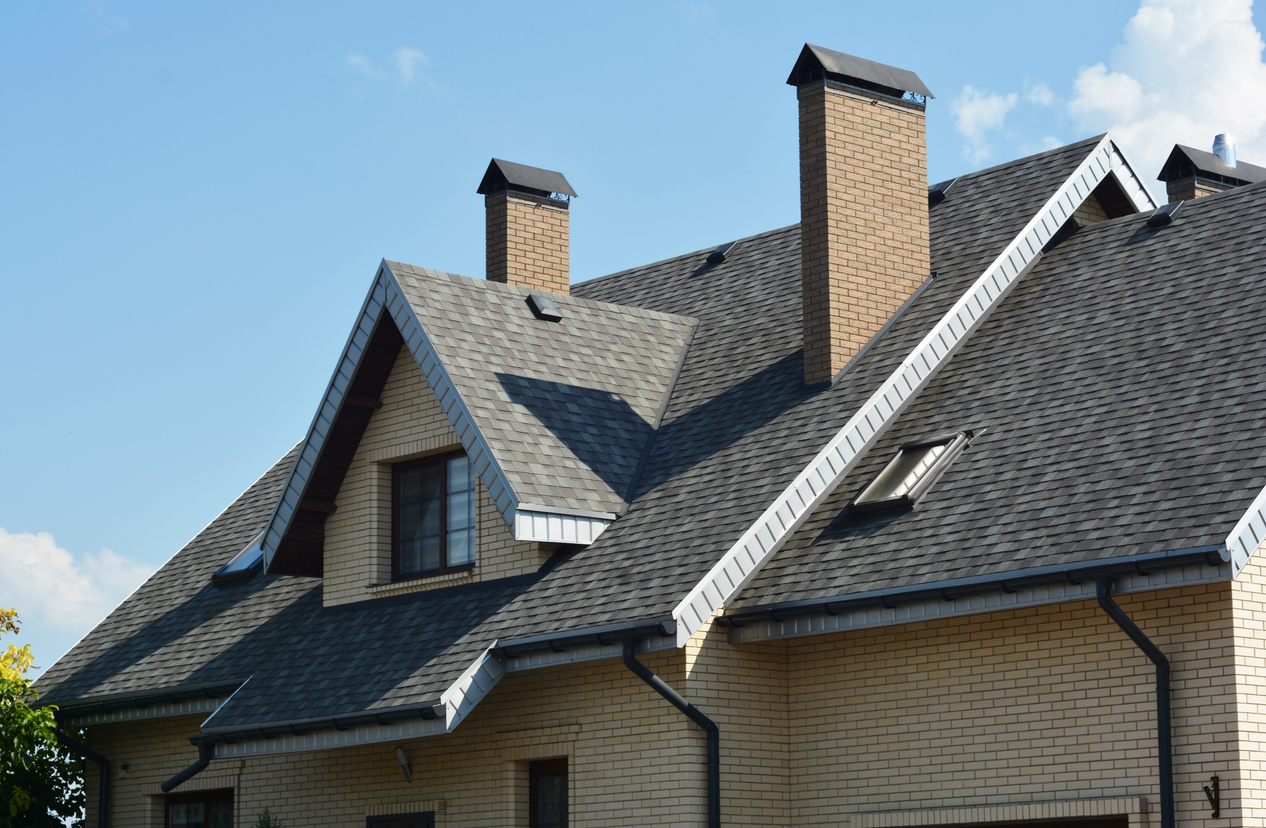
Exhaust Vents: Exhaust vents are positioned near or at the highest points of your roof, releasing warm, humid air out of the attic. Popular exhaust vent types include ridge vents, box vents, turbine vents, and powered vents. Each offers distinct advantages based on your home’s specific needs and architectural style.
Balanced Ventilation Systems: Achieving optimal ventilation requires a carefully balanced system of intake and exhaust vents. A properly balanced ventilation system ensures efficient airflow, maximizes moisture removal, and maintains ideal attic temperatures, greatly enhancing your roofing system’s overall durability and performance.
5 Signs of Poor Roof Ventilation
Knowing how to recognize signs of inadequate roof ventilation is crucial for homeowners:
- Unexplained increases in energy bills
- Persistent indoor heat, despite constant use of air conditioning
- Visible mold, mildew, or moisture in the attic
- Premature aging, curling, or warping of roofing materials
- Condensation or water stains on ceilings or walls
Professional Roof Ventilation Assessment
Given the complexity and critical importance of proper roof ventilation, consulting with a professional roofing expert is strongly recommended. A professional roofing consultant thoroughly evaluates your existing ventilation setup, identifies issues, and provides tailored recommendations to optimize your home’s ventilation system.
Taking Action: Professional Guidance Makes a Difference
As a dedicated roofing consultant serving the Tampa Bay area, I offer specialized expertise in roof ventilation solutions. Utilizing premium materials, superior customer service, and transparent pricing, I ensure your home’s ventilation system is optimally designed and maintained to handle Florida’s demanding climate effectively.
Act Promptly to Protect Your Home
Procrastination can quickly lead to severe roof damage and higher energy bills. Acting promptly to correct ventilation issues can significantly extend your roof’s lifespan, improve energy efficiency, enhance indoor comfort, and fulfill your insurance policy’s damage mitigation requirements.
Schedule Your Professional Ventilation Consultation Today
Don’t risk costly damage and discomfort due to inadequate roof ventilation. Contact DryFL Construction Group today for your comprehensive roof ventilation assessment and personalized consultation. Together, we’ll ensure your home remains protected, comfortable, energy-efficient, and ready to withstand Florida’s challenging climate for many years to come.


