

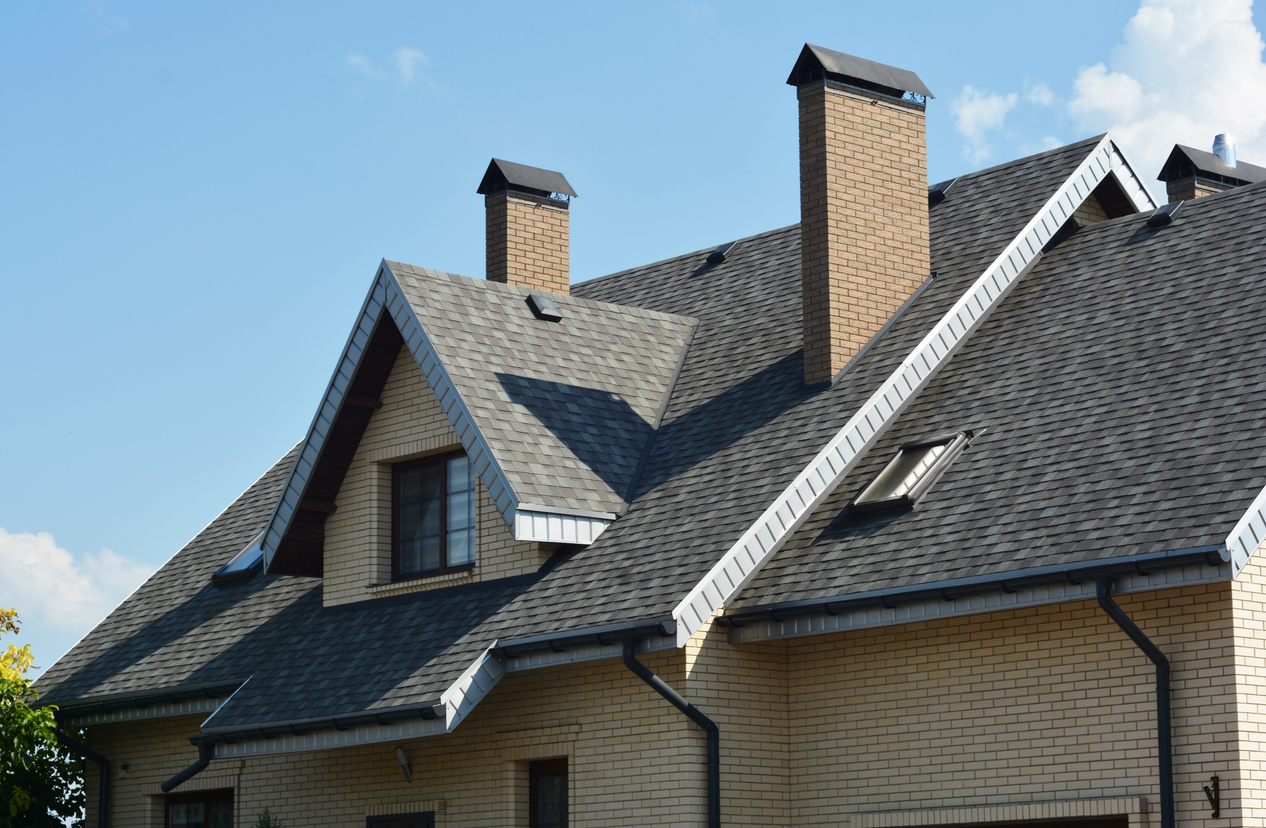



When it comes to replacing their home’s roof, most homeowners focus on the shingles—the part you can see. But what’s underneath those shingles is just as important, if not more so. Meet underlayment, the silent guardian of your roofing system. This waterproof barrier sits between your shingles and the wood decking of your roof, providing an extra layer of protection against Florida’s harsh weather.
From traditional asphalt felt to high-tech synthetic membranes, underlayment plays a critical role in keeping your home safe and dry. Let’s break down why underlayment matters, the different types available, and how to choose the right one for your Florida home.
Why Underlayment Matters for Florida Homes
Florida’s intense heat, humidity, and unpredictable hurricane season makes having the proper underlayment a must to protect your home from the elements.
It provides:
- Additional waterproofing to keep excess moisture out
- Increased wind resistance, especially in hurricane-prone areas
- Longer-lasting shingles by adding a secondary protective buffer to your home
Florida also has specific roofing underlayment requirements to ensure homes are adequately protected. Here’s what you need to know:
1. Approved Materials
- The Florida Building Code requires underlayment to be made of either asphalt-saturated felt or synthetic materials.
2. Minimum Weight
- For asphalt-saturated felt, the minimum weight is 15 pounds per 100 square feet. This is to guarantee the underlayment can handle wind-driven rain.
3. Self-Adhering underlayment
- Self-Adhering underlayment, like peel and stick is attached to the roof’s wood decking, creating a secure seal that prevents water infiltration during storms.
- In high-wind zones, using a self-adhering underlayment may be recommended or required.
4. Ice Barrier Requirements
- Although it may not be needed for the majority of Florida homes, an ice barrier underlayment may be necessary to prevent ice dams and water intrusion from damaging your home.
5. High Wind Zones
- In hurricane-prone areas, enhanced underlayment or specific fastening methods may be required to keep your roof secure during storms.
Types of Underlayment: Which One Is Right for You?
1. Asphalt Felt (a.k.a. Tar Paper)
- Felt underlayment has been used on homes for decades, installed under your roof’s shingles, it’s designed to help repel water.
- While it’s still used in some cases, it’s largely been replaced by a stronger, more durable synthetic option.
2. Synthetic Underlayment: The Modern Choice
Made from polypropylene or other synthetic materials, this underlayment is:
- More durable (harder to tear)
- Lighter and easier to install
- Better at repelling water and resisting mold
If your roofing contractor isn’t using synthetic underlayment, it’s worth asking why.
According to leading roofing material manufacturers like GAF and Owens Corning, synthetic underlayment is the go-to choice for modern roofing systems, especially in areas with extreme weather like Florida.
3. Ice & Water Shield: Extra Protection for Problem Areas
- For areas prone to leaks—like valleys, chimneys, and roof edges—an ice and water shield is a game-changer.
- This ultra-sticky underlayment adheres directly to the roof deck, sealing around nails and creating a watertight barrier.
Bonus: When heated by the sun, it bonds even tighter, making it nearly impossible for water to get through.
High-Temp Ice & Water Shield
- If you have a metal, copper, or tile roof, a high-temp ice and water shield is your best bet.
- High-temp ice and water shields are designed to withstand extreme heat; this underlayment prevents the adhesive from breaking down over time.
4. Base Sheet: The Flat Roof Solution
- For low-slope or flat roofs, you’ll need a base sheet—a thick, heavy-duty underlayment that lays the foundation for roll roofing systems.
- Like ice and water shields, it has a sticky backing, but it’s much thicker and designed to handle issues like puddling, which can occur after installing a flat roof.
How to Choose the Right Underlayment for Your Florida Home
Choosing the right underlayment is important to guarantee the protection of your home.
Here’s a simple 6-step guide:
1. Contact a Professional
- A roofing contractor can help assess your home’s specific needs, including your material type, location, and local building codes.
2. Climate is Important
- Homes located on Florida’s coast, close to the ocean, may need an underlayment that is more resistant to salt water.
- Additionally, Florida’s high temperatures may require materials that can handle extreme heat and humidity.
3. Think About Longevity
- Using a higher-quality underlayment may cost more upfront but will last longer and provide your home with better protection.
4. Follow Local Building Codes
- Make sure the underlayment you choose complies with Florida’s building codes.
- It’s your roofing contractor’s responsibility to guarantee that the proper building permits are acquired, and all building requirements are met.
5. Consider Self-Adhering Underlayment
- In high-wind or hurricane-prone areas, self-adhering underlayment provides an extra layer of protection.
6. Factor in Roof Slope
- Low-slope or flat roofs will likely require a different underlayment specifically designed to deal with standing water.
- Be sure to discuss this with your roofing contractor.
Is a Better-Quality Underlayment Worth the Cost?
Investing in quality underlayment is a smart move for Florida homeowners.
Here’s why:
Reliable Protection: Guaranteeing your roof lasts for years. Using a higher quality underlayment will help your home better withstand Florida’s harsh climate when compared to the traditional alternatives.
Better Energy Efficiency: Underlayment can reduce cooling costs by reducing the heat that enters your home.
Peace of Mind: Knowing your home is protected by quality underlayment is especially comforting during hurricane season.
DIY vs. Professional Installation
While DIY projects can be tempting, installing underlayment is best left to roofing professionals.
Here’s why:
Safety First: Be sure to practice the proper safety procedures when attempting a DIY roof installation.
Roof repairs and installations can be dangerous, especially for those without experience or the correct tools.
Proper Installation Practices: Using the proper installation methods is a must when installing roof underlayment.
This is important to ensure the roofing system works effectively. Always follow the manufacturer’s instructions when installing a new roof.
Warranty Considerations: Many warranties require professional installation to remain valid.
Protect Your Florida Home with the Right Underlayment
Your roof is your home’s first line of defense against Florida’s unpredictable weather. By choosing the right underlayment and working with a trusted roofing professional, you can ensure your home is ready to handle whatever Mother Nature throws its way.
Your Trusted Partner for Roofing in Riverview
A damaged roof can lead to costly repairs if ignored. If you’re worried about your roof’s condition, contact DryFL Construction Group for a free roof inspection in Riverview. We specialize in roof installations in Riverview, flat roof replacements, and comprehensive roof repairs, ensuring your home remains safe and secure.
Our experienced team will perform a detailed inspection, identify any issues, and provide you with a clear report and estimate. Whether it’s a small repair or a full roof replacement, we’re dedicated to delivering top-quality service to Riverview homeowners.
Don’t risk your home’s safety—trust DryFL Construction Group, your go-to roofer in Riverview, for all your roofing needs. Call us today and protect your home with expert care!


