

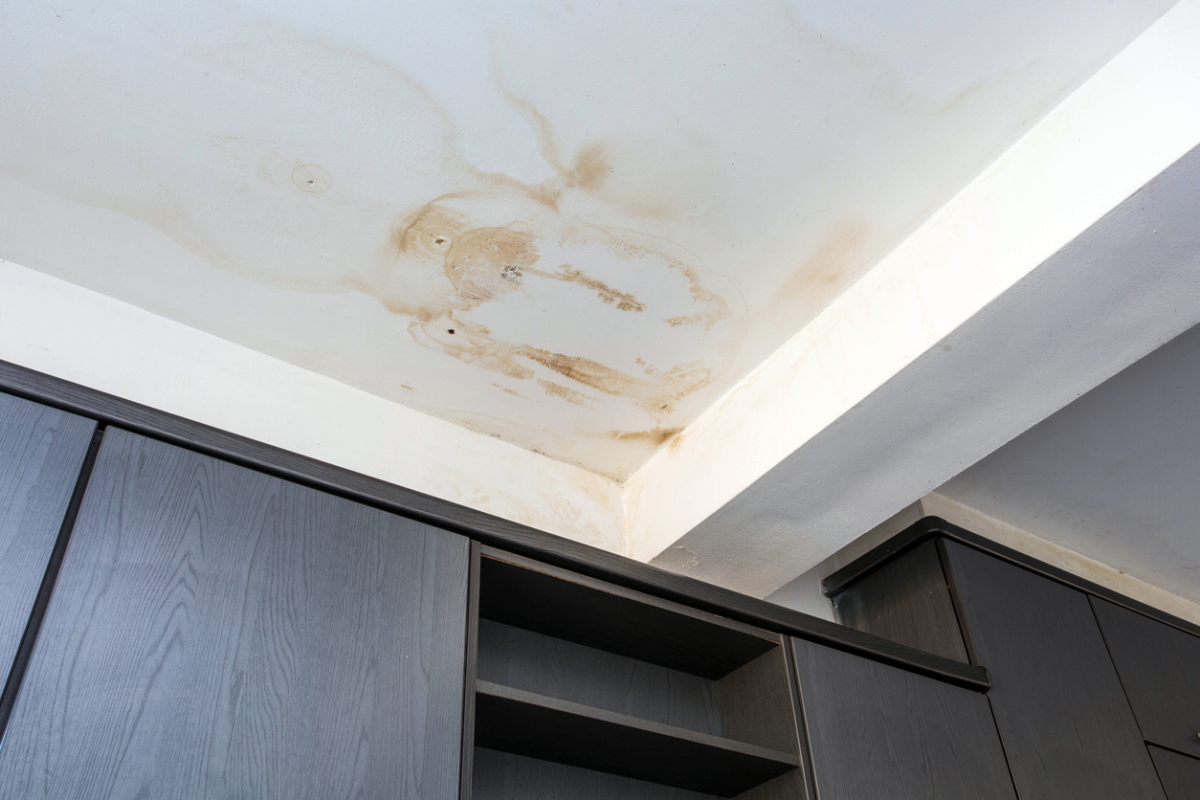




A brown ring spreading across your ceiling is never just a cosmetic problem. Every ceiling stain is evidence that water found a path into your home-whether through roof leaks, leaking pipes, or a failing HVAC system. Many homeowners paint over the mark and hope for the best, but that approach only hides the underlying cause temporarily.
Ignoring a ceiling water stain can lead to future water damage, including mold growth, weakened framing, and repair bills that multiply the longer you wait. The good news: once you understand what that stain is telling you, the path to a lasting fix becomes straightforward.
Key Takeaways
- Every ceiling water stain signals that water has entered your house from a roof leak, plumbing failure, HVAC issue, or condensation problem-and you must repair any leaks before attempting to fix water stains cosmetically.
- The stain’s location, color, and timing (rain-related vs. fixture-related) help you identify the root cause so you can target the right repair.
- Ignoring even a small water stain risks mold growth, structural damage, and costly repairs that escalate quickly.
- Simple preventive habits-inspect your roof twice a year, maintain plumbing and HVAC systems, and control indoor humidity-dramatically reduce the chance of future water damage.
- When a stain is larger than about 12 inches, keeps returning, or the ceiling is sagging, call professional ceiling repair services rather than attempting a DIY fix.
What Ceiling Water Stains Are Telling You
A ceiling water stain-brown, yellow, or rust-colored-is a symptom of an active or past water leak, not just a blemish on your ceiling paint. Water stains can indicate moisture tracking through drywall or plaster, often traveling along joists, sheathing, and framing before emerging as a visible wet spot far from the actual source.
Ceiling stains may darken or grow larger during or after rain, pointing toward roof problems. If the stained area expands after someone showers or flushes a toilet upstairs, plumbing issues are the likely culprit. Straight-line marks along duct runs suggest condensation issues tied to your HVAC system. These three categories-roof leaks, plumbing problems, and condensation-account for the vast majority of ceiling water stains.
Typical appearances include:
- A small halo around a nail pop or screw head
- A large irregular stain beneath an upstairs bathroom
- Straight-line discoloration following HVAC ducts or seams in ceiling tiles
- Peeling paint or bubbling texture around the affected area
Before you attempt any water stain repair or painting job, confirm that the area is completely dried and the underlying cause has been addressed. Repair any leaks before attempting to fix water stains-otherwise the mark will return.
What if there’s a water stain on my ceiling but I can’t find a leak?
Hidden sources are surprisingly common. A slow pinhole leak in a supply line, condensation forming on a cold pipe, or wind-driven rain slipping past compromised flashing can all create stains with no obvious dripping visible from below.
Start by checking during or immediately after rain. If the stain doesn’t change with weather, try running plumbing fixtures one by one-bathroom sink, toilet, shower, laundry room faucet-while someone watches the ceiling below for fresh darkening. Inspect the attic with a flashlight, looking for damp insulation, water tracks on framing, or daylight through the roof deck. If the source still isn’t clear, schedule an inspection with a roofer, plumber, or leak detection specialist who can use moisture meters and thermal imaging to pinpoint the problem without unnecessary demolition.
Common Causes of Ceiling Water Stains
The stain’s location can help identify its source. Here are the most common causes at a glance:
| Category | Typical Clues |
|---|---|
| Roof and exterior | Stain near exterior walls, below valleys, or under skylights; worsens with rain |
| Plumbing | Stain below bathrooms, kitchens, or laundry rooms; grows after fixture use |
| HVAC / condensation | Stain along duct runs or near vents; appears during cooling season |
| Appliance overflow | Water spots below washing machines, water heaters, or dishwashers on upper floors |
In multi-story homes, ceiling water stains most often trace back to the bathroom, kitchen, or laundry room directly above. Overflowing appliances can cause water stains on ceilings below just as easily as a slow pipe leak. Commercial spaces with suspended ceiling tiles typically show damage first around lighting fixtures, sprinkler heads, and HVAC diffusers where pipes and ducts pass above. Water seepage from any of these sources can cause damage over time.
Start with a basic visual inspection from above the stain-attic, upper floor, or roof-before deciding whether you can handle a DIY fix or need professional help.
Roof and Exterior Problems
Roof leaks are a common cause of ceiling stains, especially after heavy rain, seasonal storms, or snowmelt. In Tampa Bay, where annual rainfall often exceeds 50 inches and hurricane season runs from June through November, roof wear is accelerated compared to drier climates.
Specific problems to watch for:
- Missing, curled, or cracked shingles-sometimes just a few shingles blown loose is enough
- Cracked or corroded flashing around the chimney, vent pipes, and skylights
- Clogged gutters and downspouts that cause water to back up under eaves
- Degraded roof valleys where two slopes meet
- Debris buildup that traps moisture against the roof surface
Stains from roof leaks typically appear near exterior walls, below roof valleys, under skylights, and around attic access hatches. To perform a safe preliminary check, use binoculars from the ground to scan for visible damage, then inspect the attic for wet insulation or water tracks on the underside of the roof deck directly above the ceiling stain.
If the roof is steep, high, or shows widespread wear, call a roofer rather than risking a ladder on your own. Catching a small leak early can prevent the kind of structural damage that turns a simple repair into a major project.
Leaking Pipes and Indoor Plumbing Issues
Plumbing leaks can lead to water stains on ceilings, particularly when the stain sits directly below a bathroom, kitchen, or laundry room. Common culprits include:
- Supply line pinhole leaks caused by corrosion in copper or failed PEX fittings
- Loose or cracked drain pipes beneath sinks and tubs
- Failed toilet wax rings that let water seep into the floor with each flush
- Leaking shower pans or deteriorated grout and caulk around tubs
- Bathroom leaks from an improperly sealed bathroom sink or vanity connection
Clues that point to plumbing rather than the roof: the stain grows in a circular pattern, appears or worsens soon after showers or toilet use, and the ceiling feels damp even during dry weather. A simple homeowner check is to run water fixtures one at a time while someone watches below for fresh drips or darkening on the ceiling surface.
If water is actively dripping, shut off the supply to the affected branch line and call a licensed plumber. Pipes hidden behind finished ceilings or inside floor joist cavities are difficult-and sometimes dangerous-to access without the right tools.
HVAC Systems, Condensation, and Humidity
Modern HVAC systems-especially air handlers and ductwork running through the attic-are a frequent but often overlooked source of ceiling water stains. HVAC condensation can cause ceiling water stains that appear unrelated to weather or plumbing.
Typical HVAC-related problems include:
- Clogged drain lines that cause the condensate pan to overflow
- Cracked or rusted drip pans beneath air handlers
- Sweating metal ducts that aren’t properly insulated, particularly in unconditioned attic spaces
- Failed float switches that should shut the system down when drainage backs up
HVAC issues can cause localized staining from overflow or condensate, and these marks often follow a straight line along joists or duct runs. Condensation from humidity can also create water stains on ceilings when poor ventilation traps excess moisture. Long hot showers, clothes dryers venting indoors, and unvented gas appliances all contribute to high humidity that discolors ceiling areas over time. Condensation can form due to poor attic insulation or ventilation, compounding the problem in Florida’s humid climate.
Annual HVAC servicing-clearing condensate lines, inspecting pans, and verifying duct insulation-is one of the most cost-effective ways to prevent condensation issues and avoid future water damage.
Is This a DIY Fix or Do You Need Ceiling Repair Services?
Small, dry, non-spreading stains on smooth drywall are reasonable candidates for a DIY fix. The basic process: clean the stained area with a bleach solution (or mild detergent for light marks) to remove dirt, mildew, and discoloration. Allow the ceiling to dry completely before applying a stain-blocking primer- oil-based or shellac-based primers lock in tannins that regular ceiling paint cannot cover. Then finish with matching paint.
A stain larger than 12 inches may require professional help. Other red-flag conditions that mean “call a pro”:
- Active dripping or a visible water leak
- Sagging or bulging drywall-a sagging ceiling indicates significant water damage and potential collapse
- Visible mold on or around the affected area
- A stain that has returned after previous cosmetic repairs
- Electrical fixtures near or within the stained area
Active leaks require immediate investigation and repair to prevent hazards. Saturated ceiling materials and overhead wiring make working above your head genuinely dangerous.
Depending on your findings, the right professional varies: a roofer for roof leaks, a licensed plumber for leaking pipes, an HVAC technician for condensate problems, or a general contractor for structural and cosmetic ceiling repair when multiple trades need coordination.
Preventing Future Water Damage and Stains in Tampa Bay Homes
Once you’ve invested time and money into repairs, a few routine habits keep water spots from returning.
Exterior maintenance:
- Inspect your roof twice a year for leaks-spring and fall at minimum
- Clean gutters and downspouts to prevent overflow and remove debris
- Seal gaps around vents, the chimney, and skylights
- Regular roof inspections help catch leaks before they cause stains
Indoor maintenance:
- Fix dripping faucets and leaking pipes promptly
- Maintain caulk and grout in every bathroom and kitchen
- Insulate pipes to prevent freezing and bursting, especially in unconditioned spaces
- Use exhaust fans vented outdoors in kitchens and baths to manage excess moisture
HVAC and humidity:
- Maintaining HVAC systems and plumbing helps prevent water stains-schedule service at least annually
- Keep HVAC drains free of dirt and debris
- Indoor humidity control reduces condensation and potential stains; aim for 40–50% relative humidity
- Add or improve duct insulation in attic spaces
General habit: perform periodic inspections two to three times a year. Seal your attic to prevent condensation and ice dams. Look across ceiling areas at low angles for sheen changes, and watch your water bill for unexplained spikes that could signal a hidden floor or wall leak.
How a Roof Inspection Can Help Find the Source
A targeted roof inspection covers shingles, flashing, roof valleys, and penetrations like vent boots and skylights. From the attic side, a roofer or inspector will check for damp insulation, darkened decking, and water tracks that trace the leak path back to its origin.
However, if the stain doesn’t correlate with rain events, a plumbing or HVAC professional may be more appropriate. Great advice from experienced contractors: always match the specialist to the symptom before spending money on the wrong trade.
When to Call Professional Ceiling Repair Services
Professional help is the safest and most cost-effective option when you’re facing large areas of water damage, recurrent stains, suspected mold, or uncertainty about the underlying issues causing the problem.
A full professional assessment typically covers:
- Tracing the leak path using moisture meters and thermal imaging
- Checking framing and insulation for hidden damage
- Testing for moisture behind surfaces with pin or pinless meters
- Evaluating whether drywall, plaster, or other ceiling materials must be removed and replaced
Pros can also coordinate multiple trades-roofer, plumber, HVAC technician-so the entire water-damage process, from root cause to cosmetic repair, is handled correctly and to code. Addressing a problem early (a simple patch might cost $250–$500) is far cheaper than ignoring it until mold remediation and full ceiling replacement push bills into the $1,000–$4,000+ range.
Document damage with photos and dates, especially after seasonal storms, frozen pipes, or appliance failures. Many homeowners’ insurance policies cover sudden or accidental water damage, and thorough documentation strengthens your claim.
If you suspect roof damage or can’t identify the source of a ceiling stain in your Tampa Bay home, contact DryFL for a professional assessment. Don’t let a small wet spot turn into a major problem-reach out before costly repairs become unavoidable.


