


Chimney Flashing & Chimney Cap Installations
Watertight Chimneys Start With Proper Flashing
Chimney Flashing and Chimney Cap Installations Sealed for Florida Rain
Chimney flashing and a quality chimney cap keep water, debris, and animals out where the chimney meets the roof and where the flue opens at the top. DryFL Construction Group installs and replaces chimney flashing and chimney caps for homes across the Greater Tampa Bay area.
Get a Free Inspection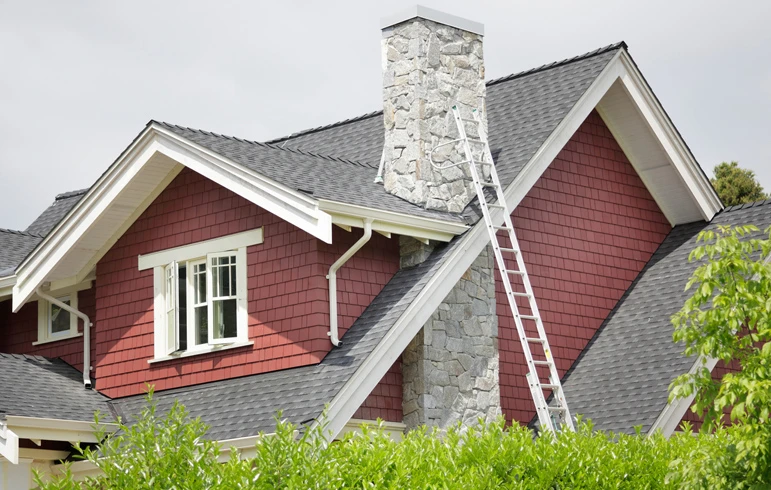
About Chimney Cap Installations
The chimney is one of the most common places a roof leaks, because it requires a hole in the roof that has to be sealed perfectly along the angle change and the change in building materials. DryFL Construction Group installs and replaces chimney flashing and chimney caps for homeowners throughout Tampa, St. Petersburg, Sarasota, Venice, Sun City, and their surrounding areas.
With more than 30 years of combined experience as a licensed and insured Florida roofing contractor, we install layered, properly detailed flashing systems and durable caps that withstand wind-driven rain and salt air. When a chimney leaks, we know how to find the true source of the water intrusion and identify whether the problem is with the chimney cap, the masonry, or the flashing.
Why Upgrade Your Chimney Cap Installations
Good chimney flashing is a system, not a single piece. It combines base and apron flashing at the front, step flashing woven up the sides under the shingles, and counter flashing set into the masonry to cap it all off, so water is guided down and away from every joint. Installed correctly with quality metal, that layered system is what keeps a chimney watertight for the long haul.
A chimney cap protects the opening at the top of the flue, keeping out rain, debris, birds, and animals while acting as a spark arrestor and helping prevent downdrafts. For an existing chimney, we size the cap to the flue or the full chase, then friction-fit or securely fasten it. In Florida, we favor stainless steel or copper that resists coastal corrosion.
Here, the most common failure modes are wind, heat, and salt, not the ice and snow that impact northern states. Wind-driven rain and hurricane uplift attack every flashing joint and cap, intense UV degrades caulk and sealant faster, and salt air corrodes low-grade metal, so we install wind-rated flashing and caps and avoid the caulk-only patches that fail in a season or two.
We never simply lay new flashing over old, because that only hides the original problem and leaves your home vulnerable to the elements.
Our Process for Chimney Flashing & Chimney Cap Installations
1
INSPECTION
We inspect the flashing, cap, crown, and masonry to find the true source of any leak, since it is not always the flashing.
2
SOLUTION
We recommend the right flashing system and cap and provide a clear, written quote.
3
EXECUTION
We remove old flashing, caulk, and any failed components, prepare the surfaces and masonry, and install layered base, step, and counter flashing, along with a properly sized, wind-rated chimney cap, sealed to last, protecting your property and leaving the work area as clean as we found it.
4
SATISFACTION
After the work is complete, our quality assurance team conducts a final inspection to confirm the chimney is watertight and protected, and that the job is finished to your satisfaction.


30+
Years of Experience
Stop Chimney Leaks at the Source
A chimney is only as watertight as its flashing and cap. DryFL Construction Group installs layered, wind-rated flashing systems and durable caps that keep Florida weather out. Schedule a free inspection today.
FAQs
What is chimney flashing, and why is it important?
Chimney flashing is the layered metal that seals the joint where the chimney passes through the roof, including base and apron flashing, step flashing up the sides, and counter flashing set into the masonry. It is important because that joint is a natural weak point, and without proper flashing, water runs straight down the chimney and into the roof and home.
How does chimney flashing protect my roof from water damage?
It protects your roof by guiding water away from every seam around the chimney. Each layer does a job: step flashing carries water down over the shingles, counter flashing caps the step flashing so water cannot get behind it, and base and apron flashing divert water at the front. Together, they keep wind-driven rain from reaching the decking, attic, and ceilings below.
What are the benefits of installing a chimney cap?
A chimney cap keeps rain, debris, leaves, birds, and animals out of the flue, acts as a spark arrestor to reduce the risk of embers landing on the roof, and helps prevent wind-driven downdrafts. In Florida, it also keeps wind-driven rain out of the chimney; a stainless or copper cap resists the corrosive effects that coastal salt air has on cheaper metals.
What types of materials are used for chimney flashing?
Chimney flashing is most often made of aluminum, galvanized steel, or copper. Copper is the most durable and the most premium quality. Aluminum resists corrosion very well and can last the life of the roof. Galvanized steel is economical but is more prone to rust over time, especially near the coast. We always recommend a corrosion-resistant metal suited to your home and the Florida climate.
How do I know if my chimney flashing needs repair or replacement?
Signs include water stains on the ceiling or walls near the chimney, rust on the flashing or cap, cracked or missing sealant, loose or lifted flashing, and crumbling mortar where the counter flashing seats. If you see leaks during rain or any of these conditions, the flashing likely needs repair or replacement. A caulk-only patch is a short-term fix, not a real solution.
What is the typical lifespan of chimney flashing and chimney caps?
Properly installed quality flashing can last 20 years or more, often lasting the life of the roof when it is copper or quality aluminum. While lower-grade galvanized steel may need attention sooner because it rusts, a well-built chimney cap in stainless steel or copper is long-lived. Florida sun and salt air shorten the life of cheaper materials, which is why we use durable metal.
How is a chimney cap installed on an existing chimney?
With an existing chimney, we measure the flue or the full chase, then install the right cap, either a single-flue or multi-flue cap that fastens to the flue tile, or a full chase cover that fits over the crown of a framed chimney. We secure it so it stays put in high winds and seals out water and animals. The cap is matched to your chimney’s size and construction.
How much does chimney flashing installation typically cost?
Cost depends on the size and height of the chimney, the type of flashing and cap, the condition of the masonry, and access. A focused flashing repair is modest, while a full flashing replacement with a new cap is more involved. We provide a clear, written quote after inspecting the chimney, and flashing work is often bundled into new roof installations.
What maintenance is required for chimney flashing and caps?
Maintenance is easy to overlook, but worth doing. We recommend an annual inspection of the flashing, sealant, cap, and crown, keeping the cap clear of debris, and addressing any cracked sealant or loose metal before it leaks. Catching a small flashing or cap issue early is far cheaper than repairing the water damage that neglect causes.
How do I choose the right type of flashing and chimney cap for my home?
The right choice depends on your roof material, your chimney’s construction, and your budget, balancing durability against cost. We help you weigh copper, aluminum, and galvanized steel for the flashing and choose a single-flue, multi-flue, or chase-cover cap in a corrosion-resistant metal. Our recommendation always accounts for Florida’s wind, sun, and salt exposure.
We’re Here When You Need Us
Whether you’re dealing with storm damage, leaks, or an aging roof, our team is ready to help. Schedule a free inspection to receive our expert guidance today.

Our Address
2901 Fifth Avenue North, Suite 105, St. Petersburg, Florida 33713

Contact Us

Working hours
Mon to Sun 9am – 6pm