


Energy-efficient Roof Installations
Smart Roofing for Lower Energy Bills
Energy-Efficient Roof Installations for the Florida Heat
An energy-efficient roof reflects the Florida sun instead of absorbing it, lowering attic temperatures and cooling costs while protecting your home. DryFL Construction Group installs reflective, cool-roof systems for homes and businesses across the Greater Tampa Bay area.
Get a Free Inspection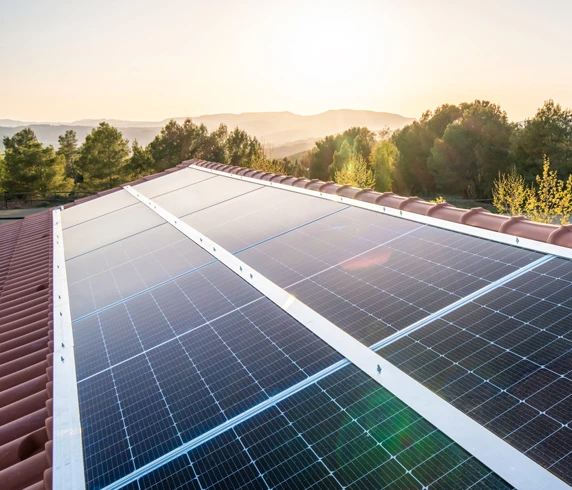
About Energy-efficient Roofing
In a climate like Tampa Bay’s, where our air conditioners run nearly year-round, your roof has a greater impact on your energy bills than almost any other home feature. DryFL Construction Group installs energy-efficient roofing systems that reflect heat, improve insulation and ventilation, and keep your home or building cooler through the long Florida summer.
With more than 30 years of combined experience as a licensed and insured Florida roofing contractor, we treat energy efficiency as a whole-roof system, from reflective surfaces and quality underlayment to insulation and balanced ventilation. Whether you are replacing a roof or upgrading an existing one, we help you choose options that pay you back in comfort and lower cooling costs.
Why Upgrade To Energy-efficient Roofing
A cool, reflective roof can run dramatically cooler than a dark one. The U.S. Department of Energy estimates that cool roofs can cut climate-control energy consumption by up to about 15 percent in hot climates. In Florida, where summers are long and intense, that reflected heat translates directly into a more comfortable home and lower electric bills.
Energy efficiency comes from the entire system, not just a single product. We combine reflective shingles, metal, or membranes with proper attic insulation, radiant barriers, or insulated underlayment, along with balanced soffit-to-ridge ventilation, so heat is reflected, blocked, and carried away instead of soaking into your living space or the building’s thermal mass. Depending on the building’s features and your preferences, we can find the right combination of efficiency measures for your roof and budget.
Many energy-efficient products carry Energy Star ratings, and reflective performance is measured by the Solar Reflectance Index, so you can compare options using real numbers rather than guesswork. A new, code-compliant, energy-efficient roof installed to comply with the Florida Building Code can not only improve resilience in a storm but can also help with insurance rates and help you qualify for tax incentives.
Our Process for Installing Energy-efficient Roofing
1
INSPECTION
We inspect your roof, attic, insulation, and ventilation to identify where heat is entering and where the biggest savings are.
2
SOLUTION
We recommend a reflective roof system and any insulation or ventilation upgrades, and provide a clear, written quote with ratings for each option, along with a schedule for the work at a convenient time, typically within 2 to 3 weeks.
3
EXECUTION
Our crew installs the reflective system and any insulation or ventilation upgrades to Florida Building Code, protecting your property and leaving the jobsite as clean as we found it.
4
SATISFACTION
After the work is complete, our quality assurance team conducts a final inspection to confirm the system is installed correctly and ready to start lowering your cooling costs, and that the job is finished to your satisfaction.


30+
Years of Experience
Beat the Florida Heat From the Top Down
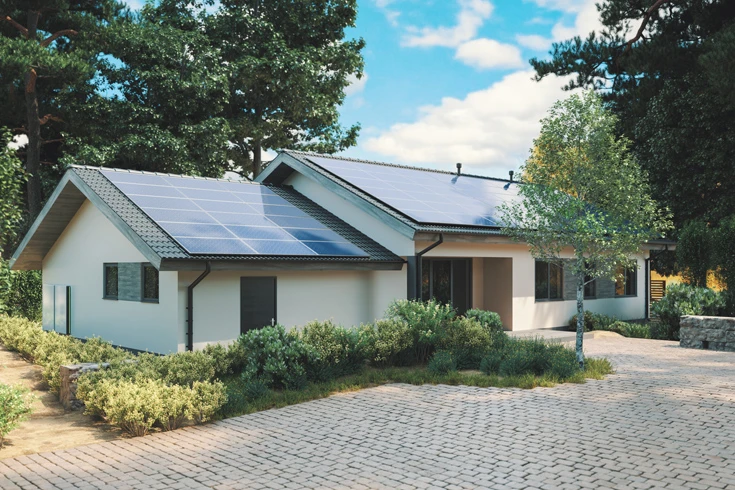
An energy-efficient roof is one of the smartest upgrades for a Florida home or business. DryFL Construction Group installs reflective, cool-roof systems engineered to lower cooling costs for the entire life of your new roof. Schedule a free inspection to see how much you can save.
FAQs
What are the key benefits of installing an energy-efficient roof?
An energy-efficient roof lowers cooling costs by reflecting heat instead of absorbing it, keeps your home more comfortable with fewer hot spots, reduces strain and wear on your air conditioner, and can extend roof life by limiting the thermal cycling that ages materials. In Florida’s cooling-dominated climate, those benefits are larger than in milder regions.
How does a cool roof system work to reduce heat absorption?
A cool roof uses reflective surfaces and finishes to bounce a large share of the sun’s energy back into the atmosphere rather than absorbing it as heat. This keeps the roof surface and the attic below much cooler, so less heat enters your living space, allowing your air conditioner to run less.
Which roofing materials are best for energy efficiency?
Strong performers in Florida include reflective and cool-rated asphalt shingles, metal roofing with reflective finishes, light or reflective concrete and clay tile, and reflective single-ply membranes like TPO and PVC on flat roofs. The best choice depends on your roof type, budget, and goals.
What are reflective roof coatings and how do they work?
Reflective roof coatings are liquid-applied finishes, often silicone or acrylic, that cure into a seamless, highly reflective surface. They reflect solar heat, seal seams and small cracks, and can extend roof life, which makes them a cost-effective way to add energy efficiency to an existing flat or metal roof without a full replacement.
What is the average cost of installing an energy-efficient roof?
Cost depends on the roof size and pitch, the system you choose, and any insulation or ventilation upgrades. The most accurate way to know is a free inspection, after which we provide a clear, written quote. We are happy to walk you through how the energy savings offset the investment over time.
Why is proper insulation important for an energy-efficient roof?
Insulation works together with a roof that has a reflective surface. The roof reflects heat away, and insulation blocks the heat that gets through, keeping it out of your living space. Without enough attic insulation, even a reflective roof can’t prevent heat from entering and cool air from escaping. Insulation is a vital part of an energy-efficient roof.
What is the expected lifespan of energy-efficient roofing systems?
Lifespan depends on the material. Reflective shingles generally last about 15 to 30 years; metal can last 40 years or more; tile often lasts 50 years or more; and reflective single-ply membranes typically last around 15 to 30 years, all when properly installed and maintained. Reflective coatings usually add about 10 to 20 years to a sound roof and can be renewed over time.
Can existing roofs be upgraded to be more energy-efficient?
Yes. Many existing roofs can be made more efficient without a full replacement by applying reflective coatings on flat or metal roofs, adding attic insulation, radiant barriers, or insulated underlayment, and improving ventilation. We evaluate your roof and suggest the upgrades that offer the most savings for the smallest investment.
Do energy-efficient roofs qualify for rebates or incentives?
They can. Energy Star rated products may qualify for federal energy-efficiency tax credits, and some Florida utilities offer rebates for qualifying improvements, while a new code-compliant roof can also support insurance wind-mitigation credits. Programs change over time, so we point you toward what is current and let your tax advisor confirm eligibility.
What maintenance is required to keep an energy-efficient roof performing optimally?
Energy-efficient roofs are low-maintenance, but a little care helps keep their performance. We suggest regular inspections, removing debris from the roof and gutters, and, for coated roofs, reapplying a coat when the surface begins to wear. Routine upkeep ensures the reflective surface works effectively and protects the roof beneath.
We’re Here When You Need Us
Whether you’re dealing with storm damage, leaks, or an aging roof, our team is ready to help. Schedule a free inspection to receive our expert guidance today.

Our Address
2901 Fifth Avenue North, Suite 105, St. Petersburg, Florida 33713

Contact Us

Working hours
Mon to Sun 9am – 6pm