

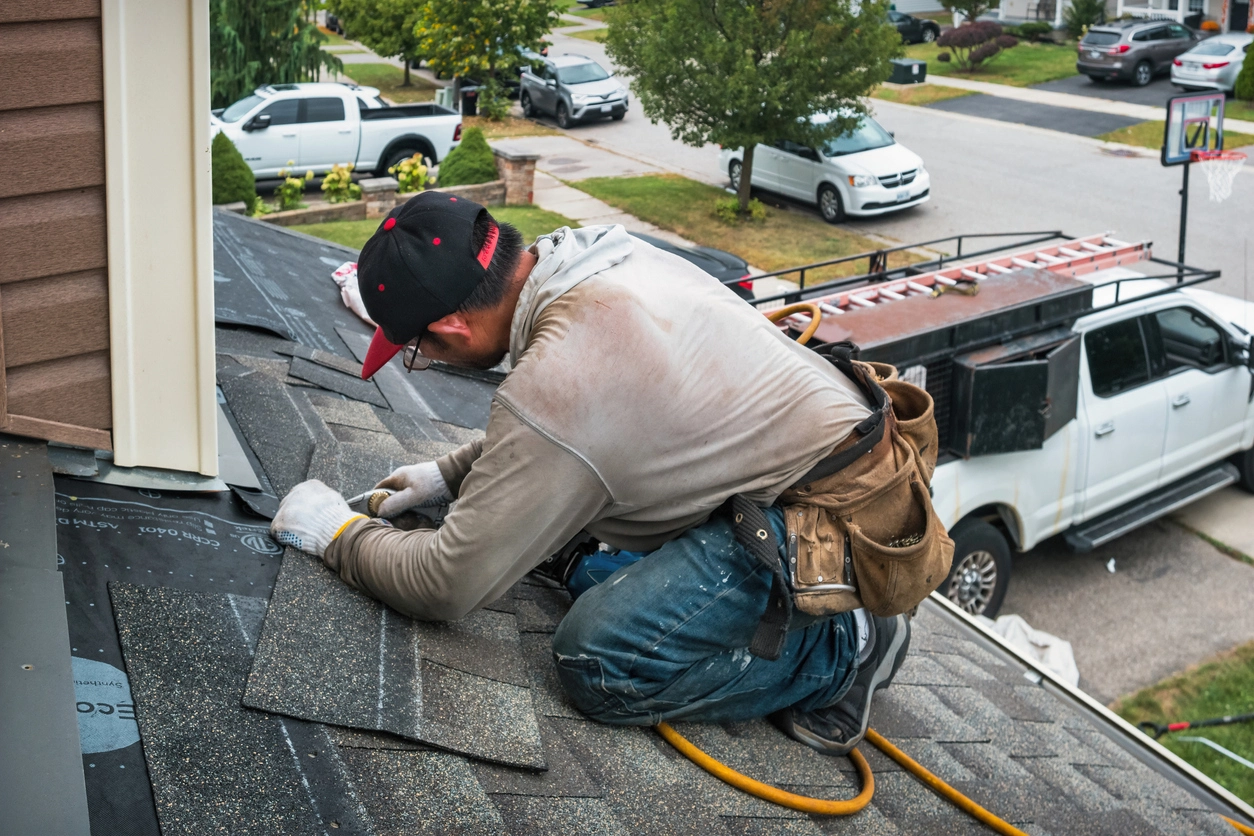
Hurricane Strap Installation
Engineered Strength Where Roof Meets Wall
Hurricane Strap Installation for Stronger Roof-to-Wall Connections
Hurricane straps strengthen the connection between your roof and your walls so the roof stays on in high winds, and can also earn insurance premium credits. DryFL Construction Group installs and retrofits hurricane straps for homes across the Greater Tampa Bay area.
Get a Free Inspection
About Hurricane Strap Installations
In a hurricane, the connection between your roof and your walls is one of the most important defenses your home has, and on many older Florida houses, that connection is weaker than current code requires. DryFL Construction Group installs and retrofits hurricane straps for homes throughout Tampa, St. Petersburg, Sarasota, Venice, Sun City, and their surrounding areas.
With more than 30 years of combined experience as a licensed and insured Florida roofing contractor, we strengthen roof-to-wall connections to resist wind uplift and document the upgrade so it can count toward your insurance. Many homes built before the stronger post-Andrew codes of the mid-1990s have only toe-nailed connections. Upgrading them is one of the highest-value storm-protection steps a homeowner can take.
Why Upgrade To Hurricane Strap Installations
Hurricane straps, also called hurricane ties, are metal connectors that tie your roof trusses or rafters directly to the walls, so the powerful uplift forces of a hurricane cannot peel the roof away. They turn a roof and walls that are simply resting together into a connected structure that resists wind as a unit, which protects the entire home.
In Florida, the upgrade pays off two-fold. It dramatically improves your home’s storm resilience, and because roof-to-wall connection strength is scored on the state wind mitigation inspection form, OIR-B1-1802, upgrading from toe nails to clips or straps can qualify you for meaningful insurance premium credits. The strongest connections, double wraps, earn the largest roof-to-wall credit.
We adhere to the Florida Building Code roof-to-wall connection requirements, using corrosion-resistant connectors and the code-specified nailing, typically a minimum of three nails per connection, rather than the one or two diagonal toe nails found in older homes. We can also work through the My Safe Florida Home program, which offers free wind-mitigation inspections and matching grants that can help fund this kind of retrofit for eligible homeowners.
Our Process for Installing Hurricane Straps
1
INSPECTION
We inspect your roof-to-wall connections, identify the tier you currently have, and document it on the wind mitigation form.
2
SOLUTION
We recommend the right strap or clip upgrade to reach a stronger connection and provide a clear, written quote.
3
EXECUTION
We access the connections at the eaves or through the attic, working carefully around your existing roof and finishes, and install corrosion-resistant straps with the code-required nailing to strengthen each roof-to-wall connection, protecting your property and leaving the work areas as clean as we found them.
4
DOCUMENTATION
After the work is complete, our quality assurance team inspects each connection, provides the wind-mitigation documentation your insurer needs to apply any credit you have earned, ensuring the job is finished to your satisfaction.
30+
Years of Experience
Keep Your Roof On, and Lower Your Premium
Hurricane straps are among the smartest investments a Florida homeowner can make, protecting your home and potentially lowering your insurance premiums. DryFL Construction Group installs and retrofits roof-to-wall connections to code and documents the upgrade. Schedule a free inspection today.
FAQs
What are hurricane straps, and how do they strengthen a roof structure?
Hurricane straps are metal connectors that fasten your roof’s trusses or rafters to the top of your walls, strengthening the roof-to-wall connection against the upward and outward forces a hurricane creates. Without them, a roof relies on gravity and a few nails; with them, the roof and walls resist wind as a connected structure, which prevents the roof from blowing off in a major storm.
What are the benefits of installing hurricane straps on residential roofs?
The benefits are stronger storm protection and, in Florida, potential insurance savings. Properly installed straps greatly improve your home’s resistance to wind uplift, protecting everything and everyone inside. Because roof-to-wall connection strength is scored on the state wind mitigation form, the upgrade can qualify you for premium credits that offset the cost over time.
What is the difference between hurricane straps and hurricane clips?
Both are metal connectors that improve the roof-to-wall connection, but they differ in strength. Clips attach to the side of the truss or rafter and resist uplift, while straps wrap over or around the connection and resist much more force, with single wraps and double wraps providing progressively stronger connections. On the wind mitigation scale, wraps generally earn larger insurance credits than clips, and clips earn more than toe nails.
How do hurricane straps improve roof-to-wall connections?
They create a continuous, fastened load path from the roof down into the walls. Instead of the roof simply resting on the wall, being held by only a couple of nails, the strap physically ties the two together with code-specified nailing, so wind uplift is transferred into the structure rather than tearing the roof free. That connection is the difference between a roof that holds and one that fails in a strong storm.
Why should homeowners hire professionals like DryFL Construction Group for hurricane strap installation services?
Roof-to-wall connections must be installed correctly with the right connector, the right nailing, and proper placement to withstand a storm and to qualify for a wind mitigation inspection. As a licensed and insured Florida contractor with more than 30 years of combined experience, we install in accordance with the Florida Building Code, use corrosion-resistant connectors, and provide the documentation your insurer needs, so the work protects your home and translates to lower insurance premiums.
How much does hurricane strap installation cost for a home?
Cost depends on the size of the home, the number of connections, and how accessible they are. This preventative measure is so effective that the wind mitigation insurance credit received by homeowners who install hurricane straps often offsets the installation cost over time.
Eligible homeowners may receive help through the My Safe Florida Home grant program. When we conduct our inspection, we will provide a clear, written quote and walk you through your potential eligibility for grants and homeowner’s insurance savings.
Can hurricane straps be installed on an existing roof?
Yes. Hurricane straps are very commonly installed as a retrofit on existing homes. When you aren’t replacing your roof, they can usually be installed by accessing the eaves or through the attic. Hurricane straps are exactly the kind of upgrade that improves older Florida houses built before stronger codes. A retrofit lets you strengthen the home and pursue an insurance credit without replacing the roof.
How long do hurricane straps typically last once installed?
Properly installed, corrosion-resistant hurricane straps are designed to last the life of the structure. Because Florida’s humidity and coastal salt air can corrode lower-grade metals, we use corrosion-resistant connectors to keep the connection strong for decades. Any older or corroded straps identified during inspection can be upgraded.
What are the signs that your home may need hurricane strap installation?
The clearest sign is the age of the home, since houses built before the mid-1990s often have only toe-nailed roof-to-wall connections that do not meet current standards. A wind mitigation inspection tells you exactly what you have. An older roof, a recent insurance request for a wind mitigation report, or a higher premium are all good reasons to have the connections checked.
How long does it take professionals to install hurricane straps on a home?
Most homes can be completed in a day or two, depending on the size of the house, the number of connections, and how accessible they are through the attic or eaves. We confirm the timeline after the inspection and work efficiently to minimize disruption.
We’re Here When You Need Us
Whether you’re dealing with storm damage, leaks, or an aging roof, our team is ready to help. Schedule a free inspection to receive our expert guidance today.

Our Address
2901 Fifth Avenue North, Suite 105, St. Petersburg, Florida 33713

Contact Us

Working hours
Mon to Sun 9am – 6pm