


Low-E Thermal Barrier Insulated Underlayment Installation
Insulation Built Into Your Underlayment
Low-E Insulated Underlayment Installation for Cooler, More Efficient Homes
A low-e thermal barrier underlayment is a reflective, insulated roof underlayment that blocks radiant heat before it reaches your attic, lowering deck temperatures and cooling costs. DryFL Construction Group installs low-e insulated underlayment systems, including ThermaSheet® underlayment, to increase the efficiency of climate-controlled buildings across the Greater Tampa Bay area.
Get a Free Inspection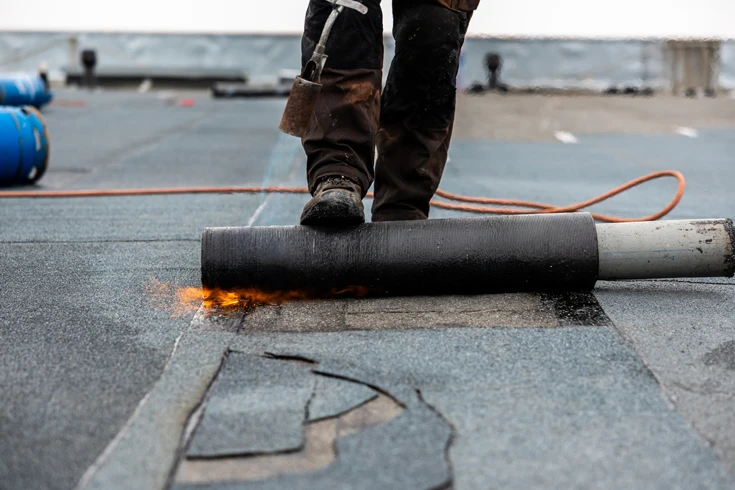
About Low-E Thermal Barrier Insulated Underlayment Installations
Most of the heat that enters a Florida home through the roof is radiant heat, and a reflective insulated underlayment is one of the most effective ways to stop it. DryFL Construction Group installs low-e insulated underlayment for residential and commercial roofs throughout Tampa, St. Petersburg, Sarasota, Venice, Sun City, and their surrounding areas.
With more than 30 years of combined experience as a licensed and insured Florida roofing contractor, we install low-e thermal barrier underlayment as part of a re-roof or new roof to cut attic heat and improve energy efficiency. Because we stock ThermaSheet® insulated underlayment, we can increase the efficiency of your roof system no matter what type of roof you have.
Why You Need Low-E Thermal Barrier Insulated Underlayment Installations
Low-E stands for low emissivity, which means the material gives off very little radiant heat, and a low-e thermal barrier underlayment pairs reflective foil with an insulating foam or polyethylene core to block the radiant heat that drives most of a Florida home’s heat gain.
Installed with an air space under tile or metal, it can reflect up to 97 percent of radiant energy, and when installed directly under shingle or flat systems, it can reduce roof deck temperatures by more than 30 degrees.
A reflective underlayment can drastically improve the effectiveness of your building’s insulation. Traditional attic insulation slows conductive heat, while a low-e thermal barrier underlayment blocks the heat that radiates down from a sunbaked roof, so the two together keep the attic far cooler than either alone. In Florida’s radiant-heat-dominated climate, adding a radiant barrier is often the single most effective roof-side efficiency upgrade.
Beyond comfort and lower bills, a low-e thermal barrier underlayment also acts as a vapor barrier, helping resist moisture and mold issues commonly caused by our humidity levels. Energy-efficient improvements like this may qualify for a federal energy tax credit of up to 30 percent.
Be sure to talk to your tax advisor to see how much this upgrade could lower your tax bill. We install low-e thermal barrier under tile, metal, shingle, and flat systems, with or without an air space, as your roof conditions require.
Our Process for Low-E Thermal Barrier Insulated Underlayment Installations
1
INSPECTION
We inspect your roof and attic, assess your heat and energy concerns, and recommend the right low-e thermal barrier underlayment installation for your roof material.
2
SOLUTION
We provide a clear, written quote for the underlayment installation, typically as part of a re-roof or new roof.
3
EXECUTION
We prepare the deck, install the base waterproofing underlayment per the Florida Building Code, then install the low-e thermal barrier underlayment under your new roof covering, with or without an air space as the roof system requires, protecting your property and leaving the jobsite as clean as we found it.
4
SATISFACTION
After the work is complete, our quality assurance team conducts a final inspection to confirm that the system is installed correctly so it starts blocking radiant heat right away, and that the job is finished to your satisfaction.


30+
Years of Experience
Stop Radiant Heat Before It Reaches Your Attic
Low-e thermal barrier insulated underlayment blocks the radiant heat that bakes Florida attics, permanently lowering cooling costs as part of your new energy-efficient roof. DryFL Construction Group stocks and installs it. Schedule a free inspection today.
FAQs
What is Low-E ThermaSheet® underlayment?
Low-e thermal barrier underlayment is a reflective, insulated roof underlayment made of reflective foil bonded to an insulating foam or polyethylene core. It installs beneath the roof covering and acts as a radiant barrier and thermal layer, reflecting solar heat away from the attic and reducing the temperature that reaches the roof deck and the space below. We stock and install ThermaSheet® low-e insulated underlayment.
How does Low-E ThermaSheet® differ from standard roof underlayment?
Standard underlayment is primarily a water-resistant layer beneath the roof covering, while a low-e thermal barrier underlayment adds a reflective, insulating function on top of that. In addition to helping protect against water, it blocks radiant heat, which standard felt or synthetic underlayment does not do, so it actively improves the roof’s energy performance rather than just keeping water out.
What are the benefits of installing an insulated roof underlayment?
An insulated, reflective underlayment lowers attic temperatures, reduces cooling costs, eases the load on your air conditioner, and adds a moisture and vapor barrier that helps resist mold in Florida’s humidity. Because it blocks radiant heat at the roof, it tackles the largest source of summer heat gain in a Florida home, complementing your attic insulation.
How does reflective underlayment improve home energy efficiency?
Reflective underlayment improves efficiency by stopping radiant heat before it enters the attic. A sunbaked roof radiates heat downward, and the reflective foil in a low-e thermal barrier underlayment bounces most of that radiant energy back, so the attic stays cooler, less heat reaches your living space, and your cooling system runs less. In Florida, where radiant heat dominates, that translates into meaningful energy savings.
Can Low-E ThermaSheet® underlayment reduce attic heat?
Yes. Installed with an air space under tile or metal, a low-e thermal barrier underlayment can reflect up to 97 percent of radiant energy, and when installed directly under shingle or flat systems, it can reduce roof deck temperatures by more than 30 degrees. Cooler deck and attic temperatures are exactly what lowers a Florida home’s cooling load.
How long does Low-E ThermaSheet® insulated underlayment last?
A low-e thermal barrier underlayment is a durable product designed to last the life of the roof system it is installed under, since it sits protected beneath the roof covering. It does not wear like an exposed surface, so once installed as part of your new roof, it continues to block radiant heat for decades.
What is the proper installation process for Low-E ThermaSheet® underlayment?
The proper installation depends on the roof covering. Under tile or metal, we install it with an air space, often over battens, which lets it reflect up to about 97 percent of radiant energy, while under shingle or flat systems, it is installed directly to reduce deck temperature. In all cases, it goes over the base waterproofing underlayment and beneath the roof covering, installed to the manufacturer’s and your local code requirements.
How does roof underlayment compare to traditional insulation?
They do different jobs and work best together. Traditional attic insulation resists conductive heat transfer and is rated by R-value, while a low-e thermal barrier underlayment is a radiant barrier that reflects radiant heat. Because so much of Florida’s roof heat gain is radiant, the reflective underlayment addresses heat that insulation alone does not, which is why we treat it as a complement to, not a substitute for, attic insulation.
What types of roofing materials are compatible with ThermaSheet® underlayment?
Low-e thermal barrier underlayment is compatible with the major roofing systems, including tile, metal, asphalt shingle, and flat or low-slope membranes. The installation method varies by material, with an air space under tile and metal and a direct application under shingle and flat systems, and we install it correctly for whichever covering you choose.
How much does it cost to install Low-E ThermaSheet® underlayment?
Cost depends on the roof size, the roof covering, and the installation method, and it is typically included as part of a re-roof or new roof rather than priced alone. The most accurate way to get a number is a free inspection, after which we provide a clear, written quote, and we can note any current energy tax credit you may be eligible for.
We’re Here When You Need Us
Whether you’re dealing with storm damage, leaks, or an aging roof, our team is ready to help. Schedule a free inspection to receive our expert guidance today.

Our Address
2901 Fifth Avenue North, Suite 105, St. Petersburg, Florida 33713

Contact Us

Working hours
Mon to Sun 9am – 6pm