


Roof Drip Edge Installation
Small Detail, Big Protection
Roof Drip Edge Installation That Protects Your Fascia and Decking
A roof drip edge is the metal flashing along your roof’s edges that directs water away from the fascia and decking, and is required by the Florida Building Code. DryFL Construction Group installs and replaces roof drip edge for homes and businesses across the Greater Tampa Bay area.
Get a Free Inspection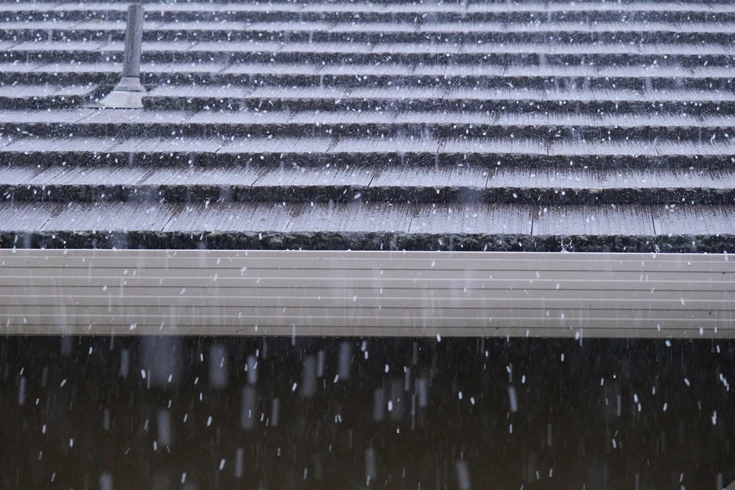
About Roof Drip Edge Installations
A drip edge is a small piece of metal that does a big job, protecting the most vulnerable part of your roof, its edges, from wind-driven rain and rot. DryFL Construction Group installs and replaces aluminum and metal drip edge for homes throughout Tampa, St. Petersburg, Sarasota, Venice, Sun City, and their surrounding areas.
With more than 30 years of combined experience as a licensed and insured Florida roofing contractor, we install drip edge to the Florida Building Code at both the eaves and the rakes, with the correct profile and proper sequencing. It is a detail many roofs get wrong, and getting it right is part of how we keep water out and your roof edge sound.
Why Upgrade Your Roof Drip Edges
The edges of a roof take a beating from wind-driven rain, and without a drip edge, water can wick back under the shingles and run behind the gutters, soaking the fascia and the edge of the roof decking until they rot. A properly installed drip edge directs that water out and away, protecting the decking, fascia, and underlayment where roofs most often start to fail.
Drip edge is not optional in Florida. The Florida Building Code and the International Residential Code require drip edge at the eaves and rake edges, and the metal we install carries Florida Product Approval and is fastened to withstand wind uplift, which makes all the difference at the roof perimeter where storm pressures are highest. As always, we install it correctly the first time, so your roof is both code-compliant and protected.
Details and materials make the difference. We install drip edge in durable aluminum or other corrosion-resistant metal suited to Florida humidity and salt air, in the correct profile for the eave and the rake, and in a color that matches your roof. Done right, drip edge is a low-cost detail that quietly protects the most failure-prone part of your roof for decades.
Our Process for Installing Roof Drip Edges
1
INSPECTION
We inspect the eaves, rakes, fascia, and existing edge metal for rot, rust, or missing or improperly installed drip edge.
2
SOLUTION
We recommend the right drip edge profile and material and provide a clear, written quote, whether as part of a re-roof or a standalone upgrade.
3
EXECUTION
We prepare the edges, address any fascia or decking repairs, and install the drip edge to Florida Building Code at the eaves and rakes, fastened for wind uplift and properly sequenced with the underlayment, protecting your property and leaving the jobsite as clean as we found it.
4
SATISFACTION
After the work is complete, our quality assurance team conducts a final inspection to confirm that the edges shed water correctly and protect your fascia, decking, and gutters, and that the job is finished to your satisfaction.


30+
Years of Experience
Protect the Edge Where Roofs Start to Fail
Drip edge is a small, code-required detail that protects your roof’s most vulnerable edges from Florida’s wind-driven rain. DryFL Construction Group installs and replaces it the right way to ensure that your roof weathers the storm. Schedule a free inspection today.
FAQs
What is a roof drip edge and why is it important?
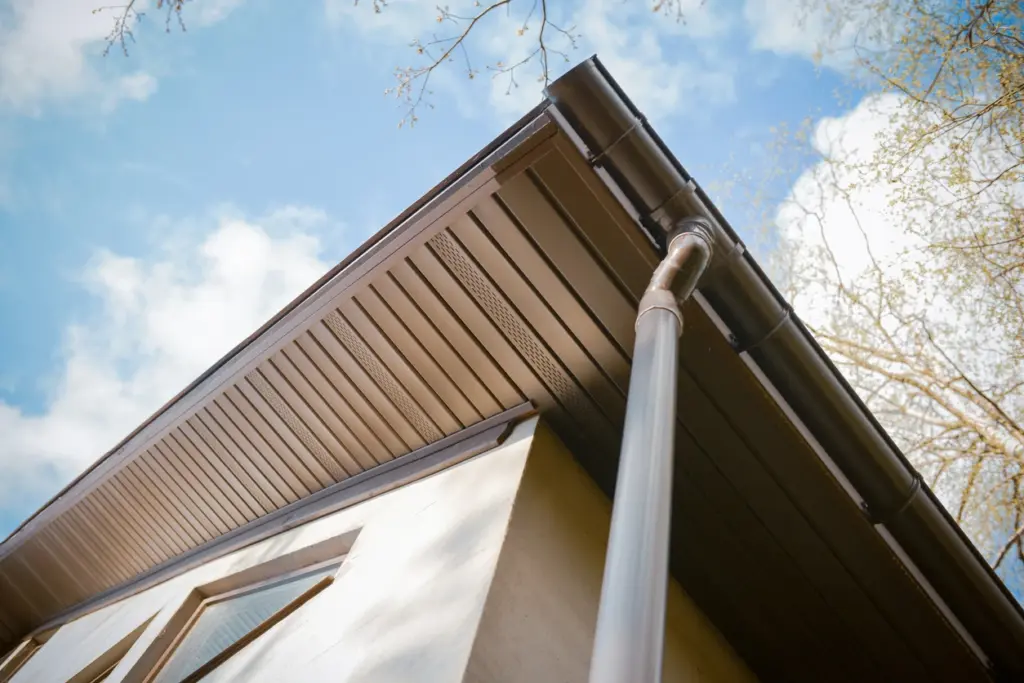
A roof drip edge is a strip of metal flashing installed along the eaves and rake edges of a roof, bent so it directs rainwater away from the fascia and the edge of the roof decking and into the gutters. It is important because the edges of a roof are the most exposed to wind-driven rain, and the drip edge keeps that water from wicking back and rotting the wood beneath.
How does a roof drip edge protect my home’s roof decking?
It works by giving water a clean path off the roof. The drip edge extends past the deck and over the fascia or into the gutter, so rain runs off the metal rather than curling back under the shingles and soaking the decking. By keeping that edge dry, it protects the underlayment, the decking, and the fascia from the rot that often starts at the roof’s perimeter.
How do I know if my roof needs a drip edge upgrade or replacement?
Signs include rusted, bent, or missing edge metal, water stains or rot on the fascia, peeling paint along the eaves, water running behind the gutters, or shingles that overhang with no metal beneath them. If your roof predates current code or the existing drip edge is corroded, an upgrade or replacement is worth considering, often as part of a re-roof.
What is the difference between a drip edge and a gutter apron?
Both are edge flashings, but they do slightly different jobs. A standard drip edge directs water off the deck edge and over the fascia, while a gutter apron has a longer, lower leg that extends into the gutter to ensure water drops into the gutter rather than behind it. The wider gutter-apron style is recommended by roofing manufacturers in many situations. We help you select the right profile for your eaves and gutters based on your preferences and needs.
When is a roof drip edge required by building codes?
Drip edge is required by code in Florida. The Florida Building Code and the International Residential Code require drip edge at the eave and rake edges of the roof, so it is a standard, non-optional part of a code-compliant roof. We install it to those requirements with Florida Product Approved metal fasteners to resist wind uplift.
How much does roof drip edge installation cost?
Drip edge is one of the more affordable roofing upgrades, and when installed as part of a roof replacement, the added cost is minimal. As a standalone project, the price depends on the length of the roof edges, the material, and any needed fascia repairs. Either way, we provide a clear, written quote after an inspection.
What materials are used for roof drip edge flashing?
Drip edge is most commonly made of aluminum, which resists corrosion and suits Florida’s humidity and coastal salt air, and it is also available in galvanized steel and copper. We typically use durable, corrosion-resistant material in a color matched to your roof, in the correct profile for the eave and the rake.
Should a drip edge be installed before or after shingles?
It depends on the edge. At the eaves, the drip edge runs under the underlayment; at the rakes, it runs over the underlayment and on top of the shingle starter, with the shingles installed over it. Getting that sequence right is essential to keeping water out.
How long does a roof drip edge typically last?
A quality metal drip edge lasts a long time, often the life of the roof, especially in corrosion-resistant aluminum. Florida’s salt air and intense sun can shorten the lifespan of lower-grade or improperly coated metal, which is why we use durable, corrosion-resistant materials that hold up to our climate.
Can drip edge be added to an existing roof or only during new construction?
Drip edge can be added to an existing roof, not only during new construction. It is most efficiently installed as part of a roof replacement before the new shingles are installed, but it can also be added or replaced on an existing roof when needed.
We’re Here When You Need Us
Whether you’re dealing with storm damage, leaks, or an aging roof, our team is ready to help. Schedule a free inspection to receive our expert guidance today.

Our Address
2901 Fifth Avenue North, Suite 105, St. Petersburg, Florida 33713

Contact Us

Working hours
Mon to Sun 9am – 6pm