

Scupper and Drain Installation
Standing Water Is a Flat Roof’s Worst Enemy
Scupper and Drain Installation That Moves Water Off Your Roof
Roof scuppers and drains carry water off a flat or low-slope roof so it cannot pond, leak, or overload the structure, and Florida building code requires both primary and overflow drainage. DryFL Construction Group installs, upgrades, and retrofits roof scuppers and drains across the Greater Tampa Bay area.
Get a Free Inspection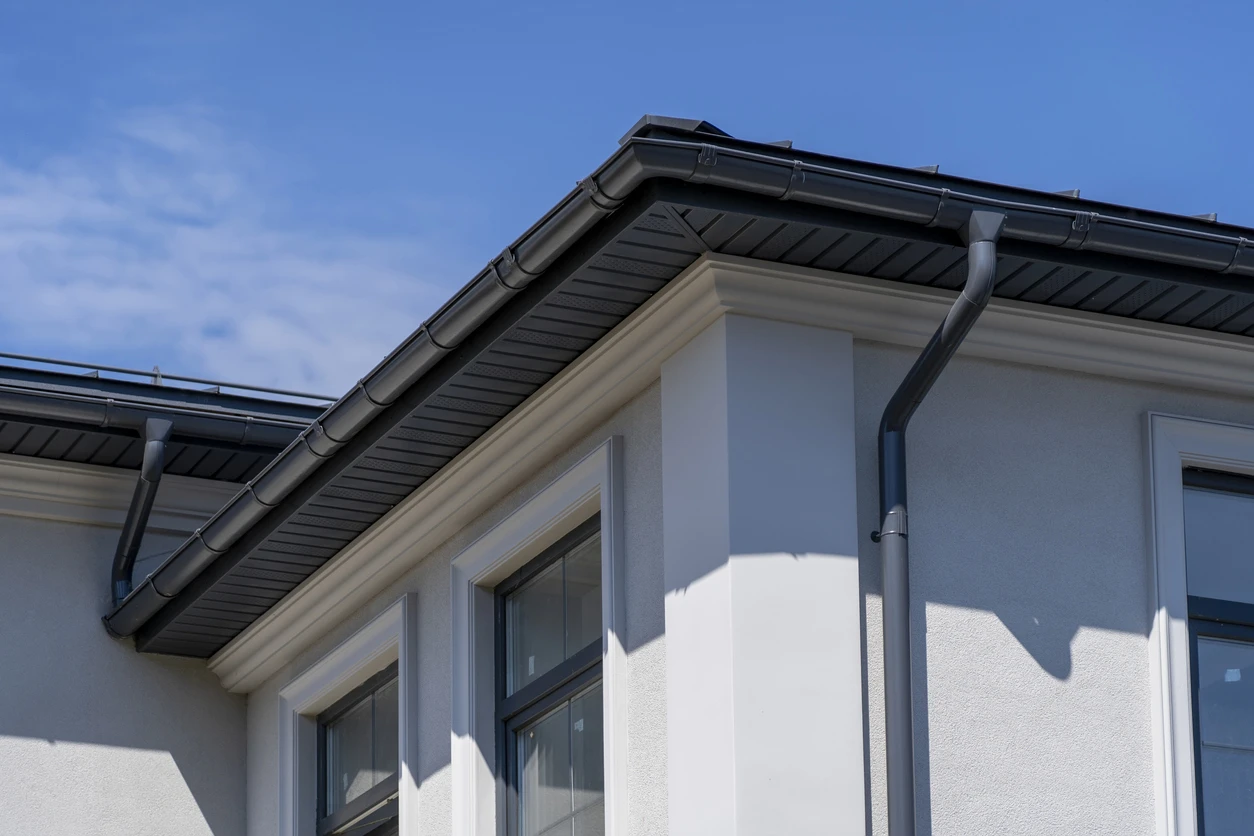
About Scupper and Drain Installations
On a flat or low-slope roof, drainage is everything, because standing water is one of the fastest ways to destroy a roof and stress a building. DryFL Construction Group installs and upgrades roof scuppers, internal drains, and overflow drainage for homes and businesses throughout Tampa, St. Petersburg, Sarasota, Venice, Sun City, and their surrounding areas.
With more than 30 years of combined experience as a licensed and insured Florida roofing contractor, we design drainage sized for our heavy, intense rainfall and built to the Florida Building Code, always including the required secondary overflow path. Whether your roof ponds after storms or you are planning a new system, you can count on us to make sure water leaves the roof the way it should.
Why Upgrade Your Scupper and Drain Installations
Ponding water is the enemy of a flat roof. It adds significant weight, accelerates membrane wear, finds every weak seam, and can void manufacturer warranties when left to linger. In Florida’s downpours an undersized or clogged drain causes the whole system to fail fast. Proper scuppers and drains move water off quickly so the roof stays dry, light, and intact.
Florida code requires more than one way for water to escape. We install a primary drainage system and a secondary overflow, with overflow scuppers set just above the primary drain line so that if the primary clogs, water discharges visibly through the overflow instead of backing up and flooding the roof. We also correct slope with tapered insulation and crickets so water is directed to the drains rather than pooling.
We size and build the system for your roof and our climate. That means scuppers, internal drains with debris strainers, and conductor heads must be sized to Tampa Bay’s high-intensity rainfall. We can design your system in heavy-gauge aluminum, copper, or galvanized metal chosen to resist salt air and UV. We install new systems and retrofit or upgrade aging, undersized drainage on existing roofs to keep your home and business dry in any weather.
Our Process for Scupper and Drain Installations
1
INSPECTION
We inspect the roof for ponding, slope problems, and undersized or clogged drains and scuppers, and assess your drainage needs.
2
SOLUTION
We design a primary and overflow drainage system sized to your roof and Florida rainfall, with a clear, written quote.
3
EXECUTION
We correct slope with tapered insulation and crickets where needed, prepare the roof, and install scuppers, drains, strainers, and overflow protection to the Florida Building Code, integrating with your roof system, protecting your property and leaving the jobsite as clean as we found it.
4
SATISFACTION
After the work is complete, our quality assurance team conducts a final inspection to confirm water flows to the drains and the overflow path works, leaving your roof protected from ponding and the job finished to your satisfaction.
30+
Years of Experience
Get Water Off Your Roof, Fast
Standing water shortens the life of any flat roof. DryFL Construction Group designs and installs code-compliant scupper and drain systems, with overflow protection, sized for Florida’s heaviest rains. Schedule a free inspection today.
FAQs
What is a roof scupper, and how does it work?
A roof scupper is an opening through the edge or parapet wall of a flat or low-slope roof that lets water drain off the surface and away from the building. Water flows across the slightly sloped roof to the scupper opening, often into a conductor head and downspout, carrying it safely to the ground. Scuppers are a simple, reliable way to drain a flat roof, especially one with parapet walls.
What is a roof drain, and why is it important for flat roofs?
A roof drain is an outlet, usually set into the low point of a flat roof, that collects water and carries it through internal piping inside the building to the ground. It is important on flat roofs because, unlike a pitched roof that sheds water naturally, a flat roof needs engineered outlets to remove water, and a well-placed drain with a strainer keeps the roof from ponding and the structure from being overloaded.
What are the main benefits of installing roof scuppers and drains?
The main benefits are preventing ponding, protecting the membrane, reducing structural load, and avoiding leaks and interior damage. Good drainage extends the life of a flat roof, helps keep manufacturer warranties valid, and, with a code-required overflow, gives you a visible warning and a backup if the primary system ever clogs.
How do roof scuppers improve overall roof drainage?
Scuppers improve drainage by providing a direct, low-resistance path for water off the roof edge, which is especially effective on roofs with parapet walls where water would otherwise be trapped. Paired with proper slope and overflow scuppers, they clear water quickly during Florida’s heavy rains and provide a built-in backup, so the roof drains reliably even during intense downpours.
What is the typical cost of scupper and drain installation?
Cost depends on the size and design of the roof, the type and number of scuppers or drains, whether slope correction with tapered insulation is needed, and access. A focused scupper retrofit is modest, while a full drainage system with internal drains and overflow is more involved. We provide a clear, written quote after inspecting the roof.
How do I know if my roof needs improved drainage systems?
The clearest signs are standing water that lingers for more than a day or two after rain, along with stains, leaks near the roof edge or parapets, overflowing or backed-up drains, and debris-clogged outlets. If your roof ponds, drains slowly, or has only a single drainage path with no overflow, it is a strong candidate for a drainage upgrade.
What materials are commonly used for roof scuppers and drains?
Scuppers, conductor heads, and downspouts are commonly made of heavy-gauge aluminum, copper, or galvanized steel, and internal drains use metal or durable composite bodies with debris strainers. For Florida’s climate, we favor corrosion-resistant materials that stand up to salt air and intense UV, sized to handle our high-intensity rainfall.
How often should scuppers and drains be inspected or maintained?
We recommend inspecting and clearing scuppers and drains at least twice a year and after major storms, since palm fronds, leaves, algae, and debris are the most common causes of clogs and ponding in our area. Keeping strainers and outlets clear is a simple, inexpensive maintenance task that prevents standing water that can damage flat roofs.
Are there local building codes I need to follow for scupper and drain installation?
Yes. The Florida Building Code requires flat and low-slope roofs to have a primary drainage system and a secondary overflow, with the overflow sized and positioned so water discharges if the primary system is blocked. We design and install in accordance with those requirements to protect your roof and keep your building dry.
Can DryFL Construction Group handle both new installations and retrofits of scuppers and drains?
Yes. We handle both new installations on new or replacement roofs and retrofits or upgrades of aging, undersized, or clogged drainage on existing roofs. Whether you need a complete drainage system designed from scratch or improved scuppers and overflow added to a roof that ponds, we can do it.
We’re Here When You Need Us
Whether you’re dealing with storm damage, leaks, or an aging roof, our team is ready to help. Schedule a free inspection to receive our expert guidance today.

Our Address
2901 Fifth Avenue North, Suite 105, St. Petersburg, Florida 33713

Contact Us

Working hours
Mon to Sun 9am – 6pm