


Roof Ventilation Systems (Solar Attic Fans)
Let Your Attic Breathe
Balanced Roof Ventilation and Solar Attic Fans for Florida Homes
Roof ventilation systems and solar attic fans move hot, humid air out of your attic to lower cooling costs, fight moisture and mold, and help your roof last longer in the Florida heat. DryFL Construction Group installs balanced, code-compliant attic ventilation for homes across the Greater Tampa Bay area.
Get a Free Inspection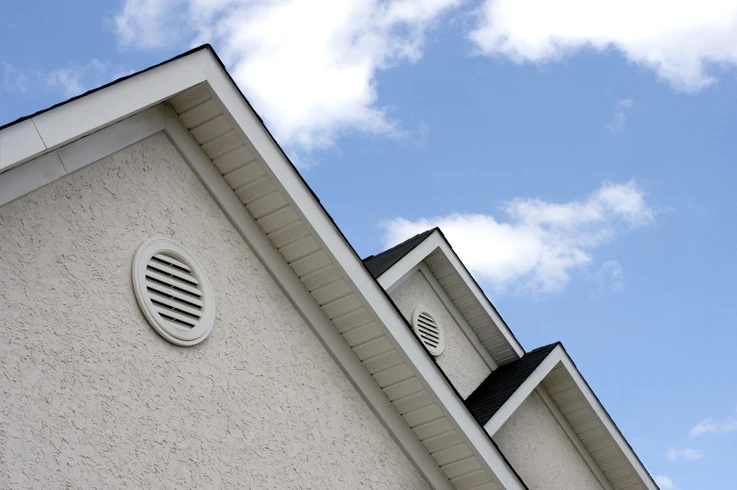
About Solar Attic Fans
In the Florida climate, an under-ventilated attic can reach 130 to 160 degrees, trapping humidity that leads to mold and premature roof aging. DryFL Construction Group designs and installs roof ventilation systems, including solar attic fans, that keep air moving and protect both your comfort and your roof. We are a licensed and insured Florida roofing contractor with more than 30 years of combined experience serving Tampa, St. Petersburg, Sarasota, Venice, Sun City, and their surrounding areas.
The key to good ventilation is balance, not just adding a fan. A solar attic fan only performs when enough intake air reaches it through the soffits, so we evaluate the whole system before we recommend anything. Done right, an attic ventilation upgrade lowers attic temperatures, eases the load on your air conditioning, and extends the life of your roof.
Why Upgrade To Roof Ventilation Systems
The biggest reason to upgrade is balance. Pushing hot air out with a fan does little if fresh air cannot get in, so we design intake and exhaust together, matching the net free vent area at the soffits to the exhaust at the roof. A balanced system moves air the way it should and avoids pulling cooled air out of your living space.
Solar attic fans run on their own built-in solar panel, so they add nothing to your power bill, keep working during daytime outages, and need no new wiring. For Florida homes, we focus on year-round heat and moisture removal because our challenge is heat and humidity.
Every fan and vent we install is rated and fastened to meet Florida Building Code wind requirements, which is critical when a roof penetration must withstand hurricane-force winds. We flash and seal each unit properly so the installation keeps your roof and its warranty intact.
Our Process for Installing Roof Ventilation Systems / Solar Attic Fans
1
INSPECTION
We inspect your attic, soffits, and roof to measure current intake and exhaust, check for moisture, and size the ventilation to meet your home’s actual needs.
2
SOLUTION
We design a balanced intake and exhaust plan, recommend the right solar attic fans and ridge or soffit vents for your attic, and provide a clear, honest, written quote that explains your options and what each will do for temperature, moisture, and roof life.
3
EXECUTION
Our installers mount and flash each fan and vent to Florida Building Code wind requirements, protecting your roof and its warranty, leaving the jobsite as clean as we found it.
4
SATISFACTION
After the work is complete, our quality assurance team conducts a final inspection to confirm that the system is moving air correctly, leaving your attic better ventilated, your home more comfortable, and that the job is finished to your satisfaction.


30+
Years of Experience
Cooler Attic, Lower Bills, Longer Roof Life
A balanced attic ventilation system is one of the most cost-effective upgrades for a Florida home. DryFL Construction Group designs and installs roof ventilation systems and solar attic fans that protect your roof and cut cooling costs. Schedule a free consultation today.
FAQs
What are the benefits of installing roof ventilation systems such as solar attic fans?
Roof ventilation systems, including solar attic fans, lower attic temperatures, reduce the load on your air conditioner, remove the humidity that causes mold and wood rot, and help your roof and its underlayment last longer. In the Florida heat, where attics can reach 150 degrees or more, good ventilation protects both your comfort and your roof investment.
How do solar attic fans work to ventilate your attic?
A solar attic fan uses a built-in solar panel to power a quiet motor that pulls hot, humid air out of the attic and pushes it outside. As that air leaves, cooler air is drawn in through the soffit vents, creating steady airflow that keeps the attic from becoming a heat trap. Because it runs on solar power, it costs nothing to operate.
What is the difference between attic ventilation and roof ventilation?
Roof ventilation is a vital part of the system that lets your attic breathe, including intake vents at the soffits and exhaust vents or fans at or near the ridge. Attic ventilation refers to the airflow inside that space. The two work together, and the goal is balance, with enough intake to feed the exhaust, so air moves through the attic without pulling cool air from inside your home.
What are the signs that your attic needs better ventilation?
Common signs include a hot upstairs, high cooling bills, an attic that feels like an oven, musty or mildew odors, rusted nails or damp insulation, and heat-curled shingles. In Florida, persistent humidity and very high attic temperatures are the clearest signals that ventilation needs attention.
What are the best attic ventilation systems for residential homes?
The best system is a balanced one, and for most Florida homes, that means continuous soffit intake paired with ridge venting, solar attic fans, or a combination sized to the attic. No single product fits every home, which is why we measure intake and exhaust and recommend the right mix rather than simply adding a fan.
Which is better: a ridge vent or a solar attic fan?
They are not really competitors, and the right choice depends on your roof. Ridge vents give steady passive exhaust along the peak and work very well with good soffit intake, while solar attic fans add active, powered exhaust for attics that run especially hot or lack ridge length. What matters most is that intake and exhaust stay balanced, and we recommend one or the other based on your roof design.
How long do solar attic fans typically last?
A quality solar attic fan typically lasts 15 to 25 years, and many come with long warranties on the motor and solar panel. Florida sun and coastal salt air affect longevity, but with a durable unit and proper installation, a solar fan is a long-lived, low-maintenance upgrade.
Will installing a solar attic fan lower my cooling costs?
It can, especially in Florida. By removing the superheated air that builds up in the attic, a solar fan reduces how hard your air conditioner has to work, which can lower cooling costs and reduce wear on the system. Savings depend on your home, insulation, and how hot your attic runs, but cooler attic temperatures consistently help.
How many solar attic fans does a typical home need?
It depends on attic size, layout, and how much intake ventilation you have. A typical home may need one or two solar attic fans, sized so the exhaust matches the available soffit intake. Oversizing the exhaust without enough intake can pull conditioned air out of the house, which is why we size the system rather than guess.
Do roof ventilation systems help extend the lifespan of your roof?
Yes. Excess attic heat and trapped moisture are two of the biggest causes of premature roof aging, baking shingles, and degrading the underlayment and decking from below. By keeping the attic cooler and drier, a well-ventilated attic helps your roof reach its full service life and protects the structure beneath it.
We’re Here When You Need Us
Whether you’re dealing with storm damage, leaks, or an aging roof, our team is ready to help. Schedule a free inspection to receive our expert guidance today.

Our Address
2901 Fifth Avenue North, Suite 105, St. Petersburg, Florida 33713

Contact Us

Working hours
Mon to Sun 9am – 6pm